
Authors: Amber Stout, Rhea Prag, Leah Lizak; Rhea Manohar, MPH, Jacqueline Hidalgo; Vaishnavi Patel, DO on behalf of AMWA Gender Equity Task Force
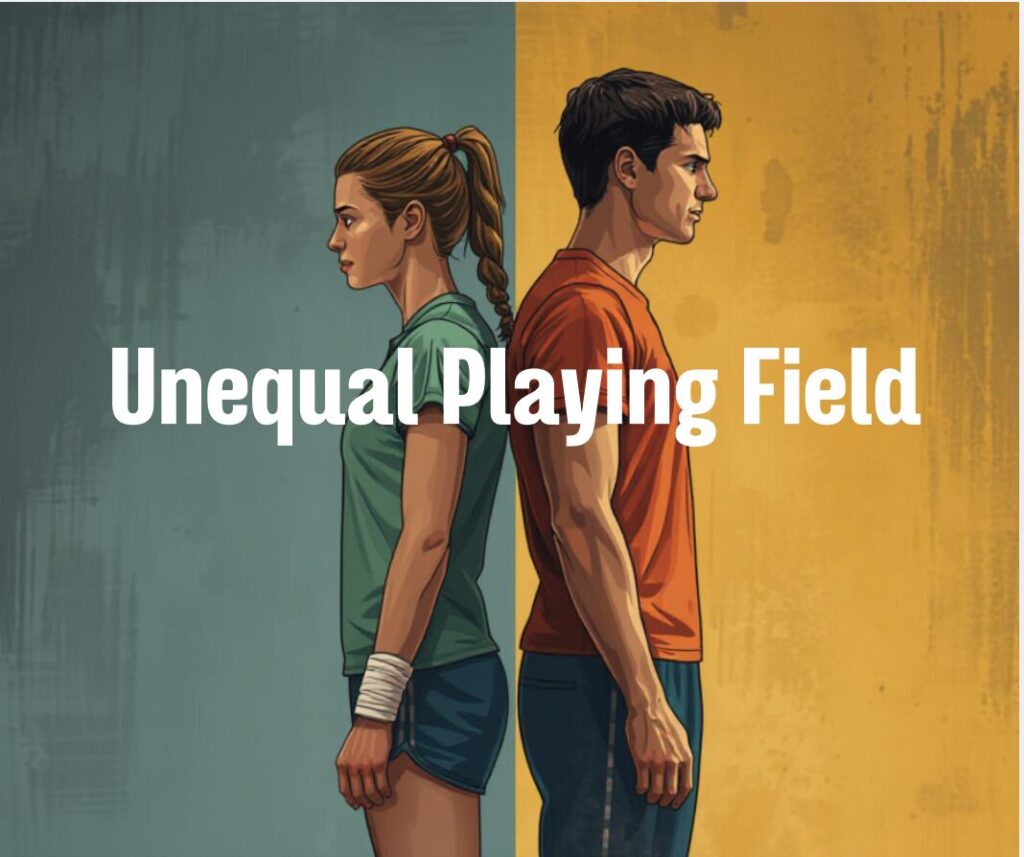
The Opening Kickoff
Despite significant progress toward gender equity in medicine, women continue to be underrepresented in many specialties, especially sports medicine and physical medicine and rehabilitation (PM&R). These specialties share structural and cultural features common to other underrepresented fields in medicine, including historical male dominance, reliance on informal networks for career advancement, and a premium placed on leadership and visibility within traditionally masculine environments such as competitive sports. In these two fields, gender disparities persist most prominently at elite levels, in leadership positions, and among sports team physicians. This gap is not merely an equity issue; it has significant implications for research, patient care, and the culture of sport. It influences who provides care for athletes and patients, whose perspectives shape clinical practice and scientific inquiry, and which career pathways future generations of women physicians perceive as accessible and attainable.
Importantly, growing evidence across medicine demonstrates that a lack of gender diversity in the physician workforce is associated with measurable harms. Large population-based studies have shown that when female patients treated by women physicians experience lower mortality and readmission rates and greater adherence to evidence-based guidelines. In parallel, studies show that women patients and athletes report greater comfort, trust, and willingness to disclose sensitive concerns such as pain, sexual health, menstrual irregularities, pregnancy-related issues, and trauma when cared for by women clinicians, suggesting that underrepresentation may directly contribute to delayed care, missed diagnoses, and poorer rehabilitation or return-to-play outcomes. In research, gender-homogeneous leadership and authorship are associated with narrower research agendas, underrepresentation of women in clinical trials, and limited investigation of sex- and gender-specific conditions, thereby shaping evidence bases that may inadequately reflect the populations served. Finally, male-dominated specialty cultures are associated with higher rates of burnout, harassment, and attrition among women physicians, perpetuating pipeline failure and reinforcing inequities in mentorship and leadership. Collectively, these dynamics indicate that the persistent shortage of women in sports medicine and PM&R is not neutral; it represents a structural barrier to optimal, inclusive, and patient-centered care.
The Stat Sheet
In sports medicine, men comprise over 90% of team physician roles, while women account for only 6–12%, particularly within orthopaedic sports surgery (Mody et al., 2023). A study published in the Clinical Journal of Sports Medicine further illustrates this disparity by examining professional team physicians across major sports leagues. Among 608 team physicians, 93.5% were male, and only 6.5% were female (Schick et al., 2023). While 35% of team physicians practiced primary care sports medicine, women accounted for just 11.6% (26 physicians out of 212) of these roles, highlighting that gender inequities persist even outside surgical subspecialties (Schick et al., 2023). Importantly, these gaps extend beyond clinical appointments: women remain underrepresented in leadership positions, authorship, and editorial board roles within sports medicine and sports science journals, limiting their influence on research priorities and clinical guidelines (Dixon et al., 2023). Together, these findings reflect ongoing inequities in academic visibility, leadership representation, and career advancement within the field.
These disparities are even more pronounced when examined across specific leagues and levels of competition. Women are far less likely to serve as team physicians in men’s professional leagues, including the NBA, NFL, MLB, MLS, USL, and NHL (Schick et al., 2023). Although women’s professional leagues demonstrate relatively higher female representation that more closely mirrors training demographics, overall participation remains limited (Schick et al., 2023). O’Reilly et al. further evaluated gender distribution among team physicians in collegiate conferences and professional organizations, including the MLB, NFL, NBA, and Women’s National Basketball Association (WNBA), and found that women comprised 12.7% of all team physicians (O’Reilly et al., 2020). Representation was higher in collegiate athletics, where women accounted for 18.1% of team physicians, compared with only 6.7% in professional sports. The WNBA had the highest proportion at 31.3% (O’Reilly et al., 2020). Collectively, these data indicate that structural and cultural barriers—not a lack of qualified candidates—continue to limit women’s access to high-visibility team physician roles.
PM&R demonstrates similar trends. Despite gradual increases, women comprise only 34–39% of PM&R residents and applicants, substantially lower than the nearly 47–48% average across all specialties (Dixon et al., 2023). Beyond residency, gender disparities persist at senior levels of academic and professional life. Women remain underrepresented in higher academic ranks and leadership positions in PM&R. Although women now account for a large proportion of assistant and associate professors, they hold markedly fewer full professor and department chair roles. While the number of women in academic PM&R increased overall, the gender gaps in leadership have persisted for decades (Lawand et al., 2025). Collectively, these data indicate that gender inequity is not isolated to a single discipline but is a shared challenge across both sports medicine and PM&R, affecting training opportunities, professional advancement, and visibility within the field.
Let’s Break it Down Play by Play
Early pipeline factors, including limited exposure to certain specialties, may contribute to persistent gender disparities in sports medicine. Although women participate in medical student and undergraduate sports medicine interest groups at nearly the same rate as men, their numbers drop precipitously by the time specialty training applications are submitted, indicating early disengagement from the career pathway (Ormond & Fitzpatrick, 2025). This decline does not reflect a lack of interest but rather the presence of external structural and cultural barriers (Ormond & Fitzpatrick, 2025). Qualitative research further identifies perceived and experienced discrimination, harassment, and lack of mentorship during clinical rotations as significant contributors to this attrition (Enata et al., 2025; de Borja et al., 2022). Many female orthopedic residents report frequent experiences of sex-based discrimination, verbal abuse, and a culture that undervalues women’s contributions in sports medicine settings (de Borja et al., 2022). Without formal exposure, role models, and supportive clinical environments during medical school and early residency, women may self-select out of sports medicine training before applying to fellowships or seeking team physician roles.
Barriers to women’s participation in PM&R also begin early and extend throughout training and career development. Limited awareness of PM&R among premedical students may also contribute to the disparity. A 2025 cross-sectional study examined the results of female-identifying undergraduate students. They found that only 30.6% of respondents were familiar with PM&R, with most exposure through social media or personal connections, while only 9% had personally shadowed in the field (Hijazi et al., 2025). Although PM&R environments may be less overtly hostile than some surgical specialties, studies reveal that female trainees are still less likely than their male counterparts to have mentors who actively encourage their career progression, which can affect academic productivity, promotions, and scholarly visibility (Farkas et al., 2019; Chaiyachati et al., 2019; Kwiecinski et al., 2025). These intertwined factors, ranging from limited early exposure and mentorship to fewer leadership opportunities, indicate that the gender gap in both sports medicine and PM&R arises from systemic influences on training pathways, workplace culture, and professional advancement, rather than from a lack of interest or ability among women.
A Playbook for Progress:
Addressing gender inequities in the PM&R field and sports medicine workforce requires a longitudinal approach that begins well before graduate medical education and extends across training, hiring, and leadership advancement. Efforts to address inequity must begin before medical school and extend across the full professional lifespan. Increasing awareness and opportunities will enable interested individuals to better understand the field. Initiatives like the Columbia PM&R series provide students with opportunities to interact with peers, gain mentorship, and gain early exposure, making the field more inclusive and diverse (Hijazi et al., 2025).
Beyond early exposure, intentional mentorship and sponsorship programs during medical school, residency, and early career stages are critical for retaining women and supporting advancement into leadership and team physician roles. Studies indicate that women in medicine are less likely than men to receive active sponsorship, defined as advocacy for high-visibility opportunities such as committee leadership and research collaborations, limiting access to prestigious roles and career advancement (Cutter et al., 2024). Formalized mentorship and sponsorship programs, particularly those that pair mid-career women with influential sponsors and include male allies, have been shown to increase professional visibility, promotion rates, academic productivity, and representation in leadership positions (Keating et al., 2022). Programs with explicit diversity, equity, and inclusion (DEI) commitments, such as orthopaedic sports medicine fellowships with DEI-focused faculty and initiatives, are associated with higher proportions of female trainees and faculty, highlighting the importance of structural and cultural investment in fostering gender equity (Lessiohadi et al., 2025).
At the institutional and organizational level, professional societies and athletic organizations can further promote equity by prioritizing gender diversity in leadership, conference faculty, editorial boards, and guideline authorship, as visibility in these roles strongly influences recruitment and career trajectory (Silver et al., 2019; Carr et al., 2018). Creating family-friendly policies, flexible scheduling, and parental leave accommodations is also essential, as work–life integration challenges disproportionately impact women in sports medicine and PM&R and contribute to attrition from leadership pathways (Jolly et al., 2014). Collectively, these strategies highlight that addressing gender disparities in sports medicine, team physician roles, and PM&R requires coordinated pipeline, mentorship, and structural interventions to cultivate equity across the full professional lifespan.
The Final Whistle: Where Equity Becomes Opportunity
Gender disparities persist not due to a lack of interest or ability among women, but because of enduring structural, cultural, and institutional barriers that shape advancement, visibility, and leadership. The data indicate that inequity persists at the highest levels of visibility and influence, such as team physician roles, academic leadership, and scholarly authorship, where sponsorship, access, and cultural norms continue to favor men. Addressing these gaps requires more than incremental change; it demands intentional, longitudinal strategies that reimagine exposure, mentorship, sponsorship, and leadership selection across the professional lifespan. By committing to equity as a core value rather than a peripheral goal, sports medicine and PM&R cannot only diversify their workforces but also strengthen patient care, scientific innovation, and the culture of sport itself. The future of these fields depends on who is allowed to stand on the sidelines and who is empowered to lead from them.
References:
- Carr, P. L., Raj, A., Kaplan, S. E., Terrin, N., Breeze, J. L., & Freund, K. M. (2018). Gender differences in academic medicine: Retention, rank, and leadership comparisons from the National Faculty Survey. Academic Medicine, 93(11), 1694–1699. https://doi.org/10.1097/ACM.0000000000002146
- Chaiyachati, K. H., Liao, J. M., Weissman, G. E., Hubbard, R. A., Morgan, A. U., Buehler, A., Shea, J. A., & Armstrong, K. A. (2019). Gender differences in retention and promotion among generalists who graduated from research-intensive fellowships. Journal of Graduate Medical Education, 11(5), 535–542. https://doi.org/10.4300/JGME-D-19-00016.1
- Cutter, C. M., Griffith, K. A., Settles, I. H., et al. (2024). Gender differences in faculty perceptions of mentorship and sponsorship. JAMA Network Open, 7(2), e2355663. https://doi.org/10.1001/jamanetworkopen.2023.55663
- de Borja, C., Chang, C. J., Watkins, R., & Senter, C. (2022). Optimizing health and athletic performance for women. Current Reviews in Musculoskeletal Medicine, 15(1), 10–20. https://doi.org/10.1007/s12178-021-09735-2
- Dixon, G., McGeary, D., Silver, J. K., Washington, M., Houle, T. T., Stampas, A., Schappell, J., Smith, S., & Verduzco-Gutierrez, M. (2023). Trends in gender, race, and ethnic diversity among prospective physical medicine and rehabilitation physicians. PM&R, 15(11), 1445–1456. https://doi.org/10.1002/pmrj.12970
- Enata, N. M., Gerull, K. M., Hanafy, A., Mulcahey, M. K., Knapik, D. M., & Smith, M. V. (2025). Factors that influence female orthopaedic surgeons’ decision to pursue a career in sports medicine: A mixed-methods study. Orthopaedic Journal of Sports Medicine, 13(8), 23259671251352193. https://doi.org/10.1177/23259671251352193
- Farkas, A. H., Bonifacino, E., Turner, R., Tilstra, S. A., & Corbelli, J. A. (2019). Mentorship of women in academic medicine: A systematic review. Journal of General Internal Medicine, 34(7), 1322–1329. https://doi.org/10.1007/s11606-019-04955-2
- Hijazi, R., Tahseen, D., Nguyen, S., Codd, J., Islam, M., Paredes, E. C., Farah, R., Fuentes, S., & Adeniyi, A. (2025). Addressing gender disparity in physical medicine & rehabilitation: The role of early outreach in premedical students. American Journal of Physical Medicine & Rehabilitation. Advance online publication. https://doi.org/10.1097/PHM.0000000000002899
- Jolly, S., Griffith, K. A., DeCastro, R., Stewart, A., Ubel, P., & Jagsi, R. (2014). Gender differences in time spent on parenting and domestic responsibilities by high-achieving young physician-researchers. Annals of Internal Medicine, 160(5), 344–353. https://doi.org/10.7326/M13-0974
- Keating, J. A., Jasper, A., Musuuza, J., Templeton, K., & Safdar, N. (2022). Supporting midcareer women faculty in academic medicine through mentorship and sponsorship. Journal of Continuing Education in the Health Professions, 42(3), 197–203. https://doi.org/10.1097/CEH.0000000000000419
- Kwiecinski, J., Amundson, A., Franklin, C., Ramirez, R., & Saulino, M. (2025). A comparative analysis of women’s experiences in physical medicine and rehabilitation versus orthopedic surgery. American Journal of Physical Medicine & Rehabilitation, 104(11), 1007–1014. https://doi.org/10.1097/PHM.0000000000002768
- Lawand, J., Mazhar, L., Rauf, A., Ding, J., Siddiqi, J., Tiwana, S., Virji-Babul, N., & Khosa, F. (2025). Faculty diversity trends in physical medicine and rehabilitation by gender, race, and ethnicity in the United States, 1977–2021. PM&R, 17(3), 319–329. https://doi.org/10.1002/pmrj.13291
- Lessiohadi, N. J., Pai, J., Goodman, W. B., Patel, D., Ganek, N. E., Rumps, M. V., & Mulcahey, M. K. (2025). Diversity, equity, and inclusion initiatives and faculty roles in orthopaedic sports medicine fellowships are associated with increased female representation among faculty and fellows. JB JS Open Access, 10(2), e24.00198. https://doi.org/10.2106/JBJS.OA.24.00198
- Mody, K. S., Henstenburg, J., & Hammoud, S. (2023). Team physicians in men’s and women’s professional sports leagues: Gender representation and career path analysis. Orthopaedic Journal of Sports Medicine, 11(7), 23259671231182991. https://doi.org/10.1177/23259671231182991
- O’Reilly, O. C., Day, M. A., Cates, W. T., Baron, J. E., Glass, N. A., & Westermann, R. W. (2020). Female team physician representation in professional and collegiate athletics. The American Journal of Sports Medicine, 48(3), 739–743. https://doi.org/10.1177/0363546519897039
- Ormond, M., & Fitzpatrick, D. (2025). Gender parity in sports medicine; present imperative not future aspiration. BMJ Open Sport & Exercise Medicine, 11, e002657. https://doi.org/10.1136/bmjsem-2025-002657
- Schick, S., Chandler, K., Kasprow, S., Sisk, M., Elphingstone, J., Wing, J., Evely, T., Casp, A., Ponce, B., Brabston, E., & Momaya, A. M. (2023). Gender disparities among professional team sports medicine physicians. Clinical Journal of Sport Medicine, 33(6), 648–651. https://doi.org/10.1097/JSM.0000000000001171
- Silver, J. K., Ghalib, R., Poorman, J. A., et al. (2019). Analysis of gender equity in leadership of physician-focused medical specialty societies, 2008–2017. JAMA Internal Medicine, 179(3), 433–435. https://doi.org/10.1001/jamainternmed.2018.5303
About the Authors
Amber Stout, MS3
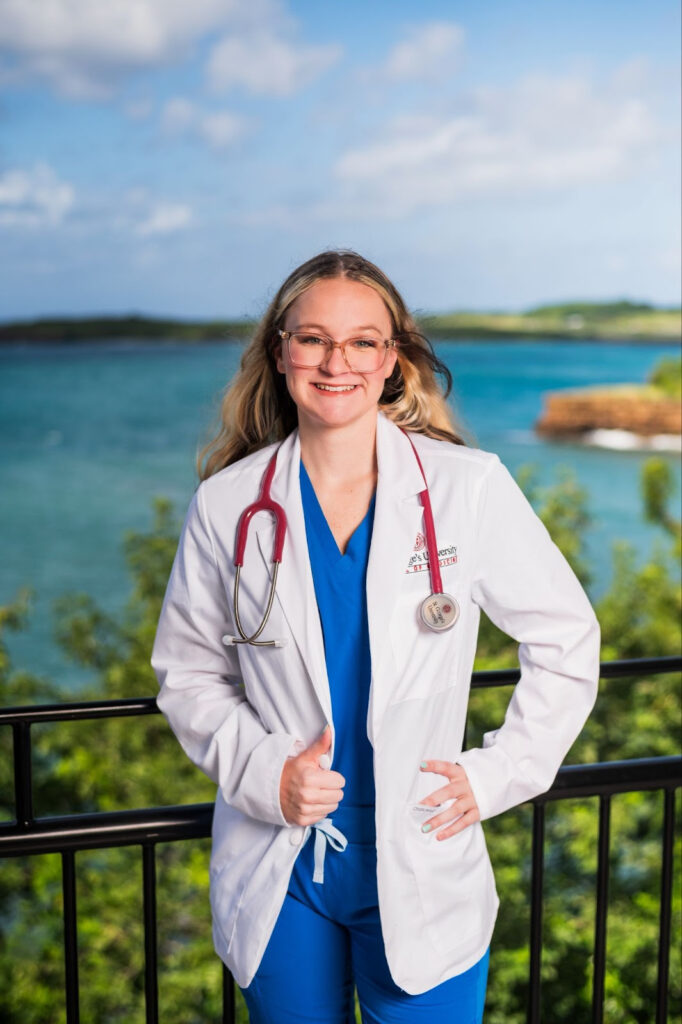
Amber Stout is a third-year medical student from St. George’s University. She has a Master’s Degree in Medical Sciences from the University of South Florida and a Bachelor’s Degree in Exercise Physiology from Florida State University. She served as the President of the Internal Medicine Club in St. George, Grenada, where she fostered impactful relationships with the Grenadian community by coordinating volunteering opportunities and fundraising for the Sickle Cell Community of Grenada. She is also a member of the Gender Equity Task Force with the American Medical Women’s Association. Through both her extracurricular involvement and academic pursuits, she is passionate about building a career in Internal Medicine or Physical Medicine & Rehabilitation.
Rhea Prag, MS3
Rhea Prag is a third year medical student from St. George’s University. She has a Bachelors of Science in Bioinformatics from Loyola University Chicago. She has worked with multiple organizations including Humanism Service Organization and Neurodiversity Allies Society where she worked closely with local youth and helped build supportive, inclusive communities. She is committed to serving underserved populations in her local area, focusing on strengthening relationships and fostering meaningful connections within the community. She is also a member of the Gender Equity Task Force with the American Medical Women’s Association. Outside of medicine, she enjoys discovering new books, experimenting with new recipes, and spending time with her family and friends.
Leah Liszak, MS3
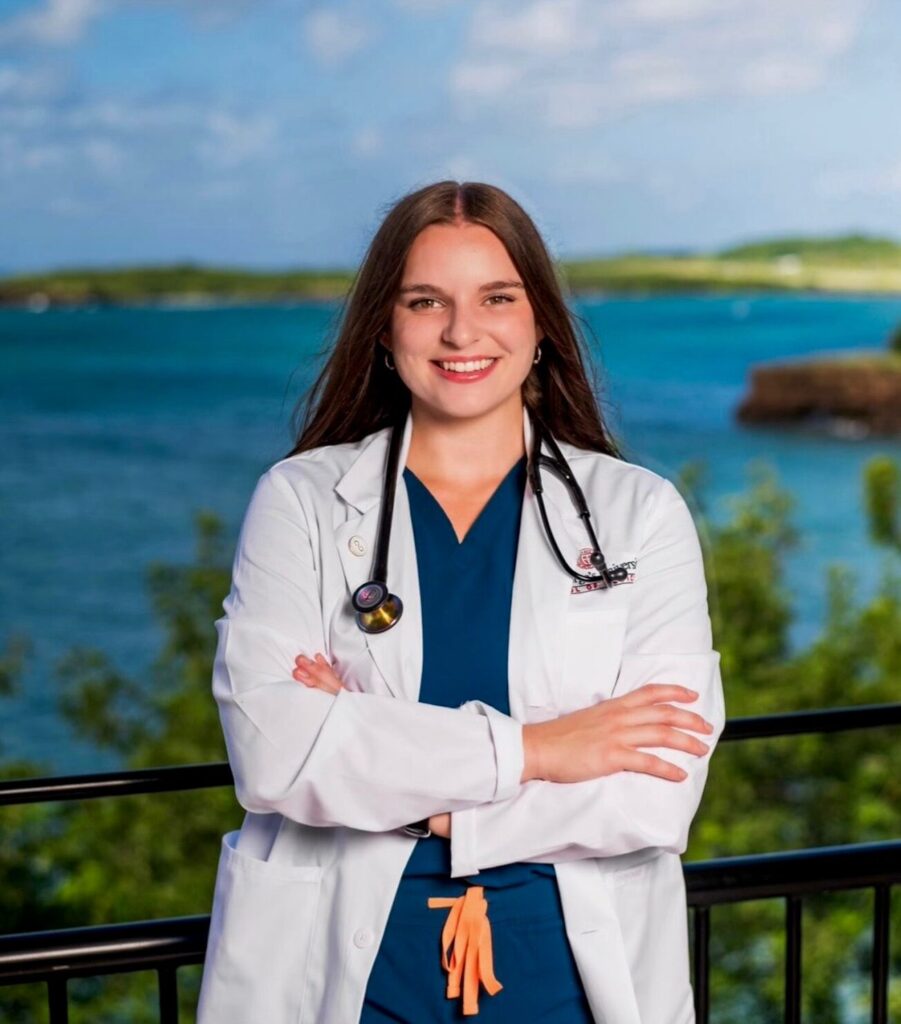
Leah Liszak is a third-year M.D. candidate at St. George’s University. Originally from the northern suburbs of Detroit, she graduated cum laude from Oakland University in 2023, where she studied Biomedical Sciences. She served as the SMILEs Orphanage Home Coordinator for the St. George’s University Humanism Service Organization in St. George, Grenada, where she fostered impactful relationships with at-risk female youth and developed seminars to support their personal growth. She is also a member of the Gender Equity Task Force with the American Medical Women’s Association. Through both her extracurricular involvement and academic pursuits, she is passionate about building a career in Obstetrics and Gynecology that advances equitable reproductive health care.
Jacqueline Hidalgo, MS3
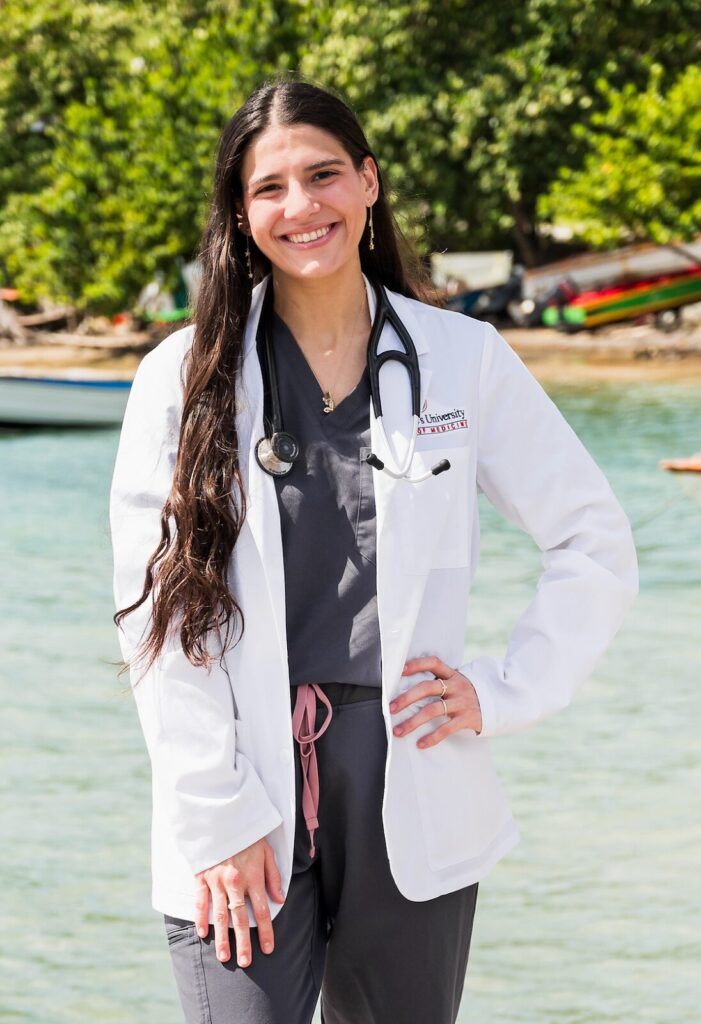
Jacqueline Hidalgo is a third-year M.D. candidate at St. George’s University, born and raised in Long Island, New York. She has a Bachelors of Arts in Psychology with a minor in Chemistry from New York University. She served as Vice President for the St. George’s University Neurodiversity Allies Society, where she contributed to educational outreach on neurodevelopmental disabilities, supported student and family initiatives, organized community engagement activities, and assisted with fundraising efforts to promote inclusion and accessibility. She is also a member of the Gender Equity Task Force Committee within the American Medical Women’s Association. At SGU, she has served in student leadership through both the Pediatrics and Psychology Clubs as a Class Representative and a member, advocating for campus initiatives and student support. Outside of medicine, she enjoys singing, learning new instruments like the ukulele, reading cheesy romance novels and spending quality time with her family and friends.
Rhea Manohar, MPH, MS3
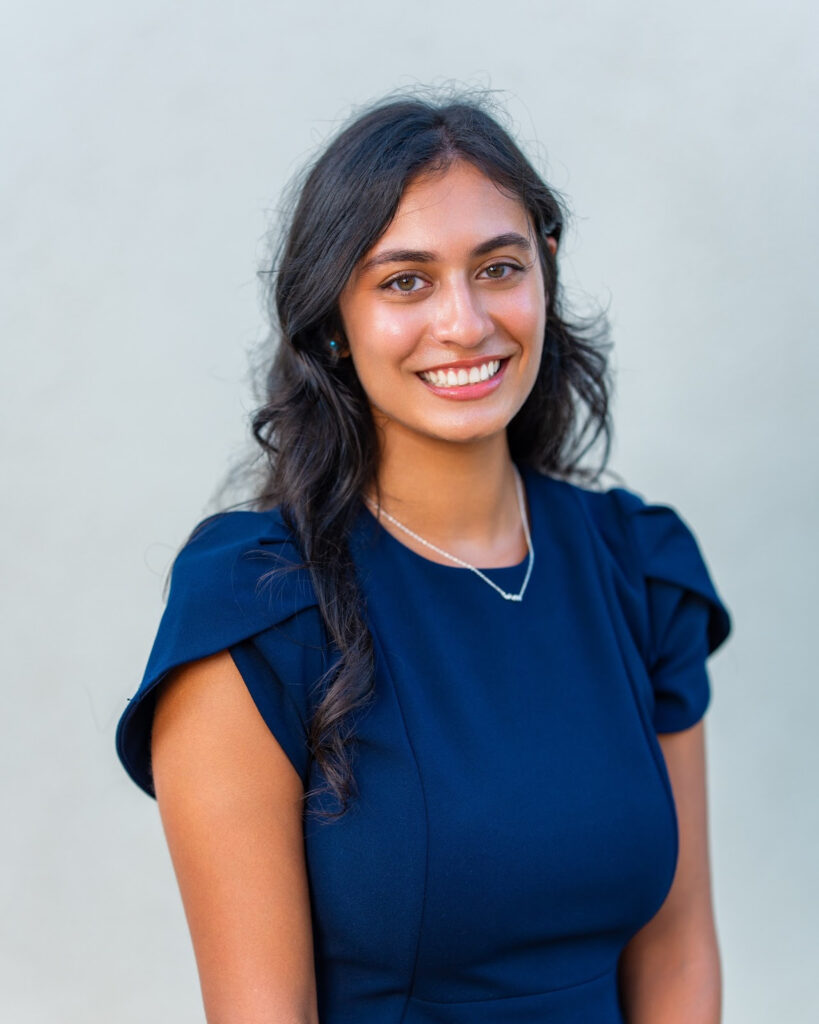
Rhea Manohar is a third year medical student from St. George’s University. She has a Masters in Public Health with a concentration in Maternal and Child Health from George Washington University Milken Institute of Public Health and a Bachelors of Science in Microbiology & Immunology, and Public Health from the University of Miami. She served as Co-VP of OB/GYN Education for St. George’s University’s Women in Medicine chapter in St. George, Grenada where she developed hands-on workshops to further reproductive health issues and navigating challenging physician-patient communication scenarios. Prior to medical school, she was a Research Associate for Fors Marsh Group, where she led qualitative and quantitative public health research and campaign development for federal agencies (e.g., CDC, NIH, DHHS, CPSC). She is also a member of the Gender Equity Task Force of the American Medical Women’s Association. When she is not pursuing medicine, you can find her reading, exploring artistic passions, and spending time connecting with friends and family.
Vaishnavi Patel, DO

Vaishnavi J. Patel, DO is an early career family medicine physician. She is passionate about Women’s Health and advocacy, serving on the Executive Board of the American Medical Women’s Association GETF and playing a crucial role in their initiatives to support women in medicine. Her research expertise includes scientific computation, data sciences, and analyzing methods to improve patient outcomes and women’s health. She is a dedicated volunteer for local free clinics and a speaker at various programs focused on patient education and advocacy. She serves as an ambassador of the Gold Humanism Honor Society and is a recipient of the Lifetime Presidential Volunteer Service Award and the Eliza Lo Chin Unsung Hero Award. In her spare time, she enjoys archery, reading, spending time with her family, and spoiling her pets. Her patients describe her as compassionate, thorough, and knowledgeable. Her classmates, coworkers, and mentors describe her as a genuine leader, hard-worker, and a valuable asset to the future of medicine.