
Authors: Meghan Etsey, Rhea Manohar, MPH; Ariela Marshall, MD; Rosy Thachil, MD, FACC; Teresa Lazar, MD on behalf of AMWA Gender Equity Task Force
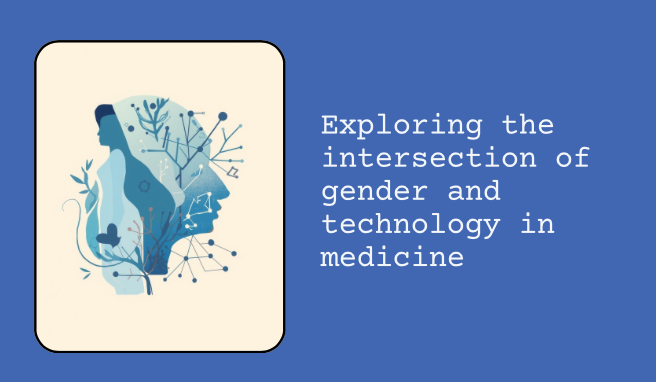
Artificial intelligence (AI) is transforming modern medicine, from predicting heart disease before symptoms appear to assisting in diagnosis of cancer through computer-aided tumor detection on radiologic scans. The promise is enormous. But as this technology reshapes healthcare, a vital question emerges: who is AI really serving? Despite its revolutionary potential, AI’s integration into healthcare carries a silent bias. Many of the datasets used to train medical AI systems are built on studies composed largely of men (Cirillo et al., 2020). When algorithms learn from male-dominated data, the results can be troubling: underdiagnosis and/or misdiagnosis, misinterpretation of symptoms, and less accurate diagnostic predictions for women, especially women of color (Ferryman et al., 2023).
Imagine an algorithm that flags cardiac events based on “typical” symptoms, but symptoms as defined as those experienced by male patients. The result? A woman presenting with different or more subtle warning signs may go undiagnosed (and dismissed), reinforcing the same inequities medicine has struggled to correct for decades. Recent studies reveal that most biomedical AI tools do not systematically account for sex and gender differences, and many overlook other intersectional variables such as race and socioeconomic status (Liu et al., 2025). This oversight means that AI can unintentionally magnify disparities rather than reduce them.
Bias in AI is not just a coding problem, but instead a reflection of the inequities that already exist in healthcare. If women are underrepresented in clinical research, those same gaps are carried forward into the datasets used to train AI. That means the next generation of “smart” diagnostic tools risks repeating the same blind spots that have contributed to delayed diagnosis, undertreatment, and misrepresentation of symptoms for decades.
In fields like obstetrics and gynecology, AI has shown promise in earlier detection of pregnancy complications such as preeclampsia and postpartum hemorrhage, and even in detecting gynecologic cancers (Dos Santos, 2025; Garg et al., 2023; Brandão et al., 2024). However, these models often lack external validation, meaning they haven’t been tested across diverse populations of women, and they rarely include social determinants of health (Dhombres et al., 2022). Without such checks, the accuracy and fairness of AI tools remain limited, and their clinical recommendations risk being incomplete or even harmful.
AI is not neutral. Every dataset reflects decisions about who is included, how data are defined, and what outcomes are prioritized. If healthcare’s digital future is built on biased inputs, it will amplify inequity at scale. This turns what should be a tool for inclusion into one that deepens existing divides. For clinicians, this means being aware that the algorithms embedded in electronic health records, imaging software, and even triage systems may perform differently across patient populations. For researchers, it means designing studies that capture sex and gender as essential variables and not just afterthoughts. And for patients, it underscores the need for transparency and continued education about how digital health tools make decisions that affect their care.
- The good news? Awareness is growing, and solutions are emerging. Researchers are developing demographically representative datasets and embedding fairness audits into model design to detect and correct bias early (Ferryman et al., 2023; Liu et al., 2025). Initiatives like the National Institutes of Health’s Bridge2AI program aim to build inclusive data ecosystems that better reflect the diversity of real-world patients (Ferryman et al., 2023). For AI to truly advance equitable care, we must insist on transparency, accountability, and inclusion at every step, from data collection to clinical implementation.
Addressing sex and gender bias, as Cirillo and colleagues (2020) emphasize, isn’t just a technical fix, it’s an ethical imperative. This issue transcends algorithms, it challenges us to reconsider who designs our technology, whose data is valued, and whose experiences are prioritized in research. AI may hold the power to close health gaps, but without deliberate action, it risks widening them. So here’s your call to action:
- Ask questions. When you hear about a new AI breakthrough in healthcare, ask how it was trained, who was included, and who might be left out.
- Advocate for inclusion. Whether you’re a student, clinician, or researcher, support efforts that build equitable datasets and highlight women’s representation in clinical trials.
- Join the dialogue. Equity in medicine depends on collaboration, between technology, ethics, and advocacy. Let’s make sure women and minority populations aren’t an afterthought in the future of healthcare innovation
References:
- Cirillo, D., Catuara-Solarz, S., Morey, C., et al. (2020). Sex and gender differences and biases in artificial intelligence for biomedicine and healthcare. NPJ Digital Medicine, 3(81). https://doi.org/10.1038/s41746-020-0288-5
- Ferryman, K., Mackintosh, M., & Ghassemi, M. (2023). Considering biased data as informative artifacts in AI-assisted health care. The New England Journal of Medicine, 389(9), 833–838. https://doi.org/10.1056/NEJMra2214964
- Liu, M., Ning, Y., Teixayavong, S., et al. (2025). A scoping review and evidence gap analysis of clinical AI fairness. NPJ Digital Medicine, 8(1), 360. https://doi.org/10.1038/s41746-025-01667-2
- Dos Santos, G. G. (2025). Using artificial intelligence as a technological gynecologic and obstetric health: A narrative literature review. International Journal of Gynaecology and Obstetrics. https://doi.org/10.1002/ijgo.70455
- Garg, P., Mohanty, A., Ramisetty, S., et al. (2023). Artificial intelligence and allied subsets in early detection and preclusion of gynecological cancers. Biochimica et Biophysica Acta. Reviews on Cancer, 1878(6), 189026. https://doi.org/10.1016/j.bbcan.2023.189026
- Brandão, M., Mendes, F., Martins, M., et al. (2024). Revolutionizing women’s health: A comprehensive review of artificial intelligence advancements in gynecology. Journal of Clinical Medicine, 13(4), 1061. https://doi.org/10.3390/jcm13041061
- Dhombres, F., Bonnard, J., Bailly, K., et al. (2022). Contributions of artificial intelligence reported in obstetrics and gynecology journals: Systematic review.Journal of Medical Internet Research, 24(4), e35465. https://doi.org/10.2196/35465
About the Authors
Meghan Etsey, MS4

Meghan Etsey is a fourth year medical student from St. George’s University. She has a Bachelors of Arts in Biology and a Bachelors of Arts in Nutrition and Dietetics from Bluffton University in Bluffton, Ohio. She served as the President of the St. George’s University’s Women in Medicine chapter in St. George, Grenada where she expanded relationships with the community and worked towards educating women and helping the youth. She is also a member of the Gender Equity Task Force and Sex and Gender Health Collaborative Committees within the American Medical Women’s Association. When she is not pursuing medicine, you can find her with her friends and family on different road trips and adventures exploring the world.
Rhea Manohar, MPH, MS3

Rhea Manohar is a third year medical student from St. George’s University. She has a Masters in Public Health with a concentration in Maternal and Child Health from George Washington University Milken Institute of Public Health and a Bachelors of Science in Microbiology, Immunology, and Public Health from the University of Miami. She served as Co-VP of OB/GYN Education for St. George’s University’s Women in Medicine chapter in St. George, Grenada where she developed and implemented hands-on workshops to further reproductive health issues and bolstered medical students abilities to navigate physician-patient communication. Prior to medical school, she was a Research Associate for Fors Marsh Group, where she led qualitative and quantitative public health research and campaign development for federal agencies (e.g., CDC, NIH, DHHS, CPSC). She is also a member of the Gender Equity Task Force and Reproductive Health Coalition within the American Medical Women’s Association. When she is not pursuing medicine, you can find her reading, exploring artistic passions, and spending time connecting with friends and family.
Dr. Ariela Marshall, MD
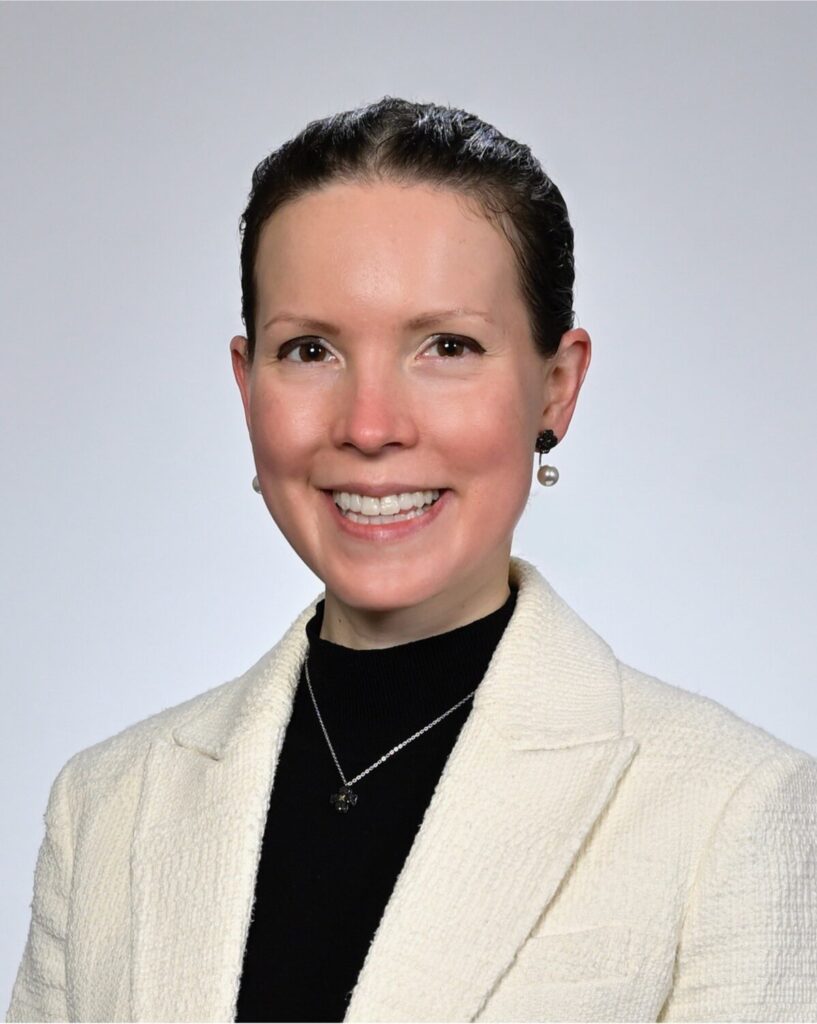
Dr. Ariela Marshall is a Harvard-trained physician and an internationally renowned advocate, career development advisor, and mentor. Dr. Marshall specializes in bleeding and clotting disorders, especially as they relate to women’s health. She has worked at Mayo Clinic and the University of Pennsylvania and currently practices part-time as a consultative hematologist at the University of Minnesota. In addition to her clinical work, Dr. Marshall is a highly respected leader, mentor, and speaker. She is an active leader with the American Society of Hematology (where she led efforts to found the Women in Hematology Working Group and currently holds seats on the Women in Heme Working Group, Committee on Communications and Media Experts Subcommittee) and American Medical Women’s Association (leading the Infertility Working Group and holding seats on the Gender Equity Task Force). She is the Chief Innovation Officer at Women in Medicine and the Curriculum Chair at IGNITEMed, which are both 501(c)(3) nonprofit organizations dedicated to promoting career development for women in medicine. She speaks regularly on a national and international scope to discuss her efforts to advance career development and mentorship for physicians, gender equity, fertility/infertility awareness, parental health and wellbeing, reproductive health and rights, and work-life integration.
Rosy Thachil, MD, FACC

Rosy Thachil, MD, MBA, FACC, co-chair of AMWA’s Gender Equity Task Force, is a quadruple board-certified cardiologist, serving as Director of the Cardiac Intensive Care Unit at Elmhurst Hospital Center, and Assistant Professor at Mount Sinai College of Medicine in New York. Dr. Thachil’s clinical interests include critical care cardiology/acute cardiovascular care and health disparities. In addition to addressing cardiovascular disease, she is passionate about advancing women’ s roles in medicine/leadership. She also serves on the American College of Cardiology Critical Care Leadership Council, and holds certificates in physician leadership and bioethics.
Teresa Lazar, MD MSEd

Teresa Lazar, MD MSEd is the clerkship director of the Advanced Clinical Experience in Obstetrics and Gynecology and Assistant Professor at the Donald and Barbara Zucker School of Medicine at Hofstra Northwell (ZSOM). She obtained her medical degree and completed her residency in obstetrics and gynecology from the State University of New York Health Science Center in Brooklyn and graduated with a Master of Science in Education degree in health professions from Hofstra University. Dr. Lazar was recognized with the APGO Excellence in Teaching Award and is a member of the Academy of Medical Educators and Alpha Omega Alpha Honor Medical Society at the ZSOM. Currently, a member of the American Medical Women’s Association Gender Equity Task Force and the Education Committee. Dr. Lazar is board certified by the American Board of Obstetrics and Gynecology, areas of clinical interest include general obstetrical care, gynecologic care and pelvic ultrasounds. Additionally, she is passionate about medical education, faculty development, communication, and leadership. She is fluent in both English and Spanish.