
Authors: Joanna Georgakas, Aliza Abid, Meghan Etsey, Dr. Stephanie Harselle
“Our Voices, Our Future” is a podcast by the Gender Equity Task Force of the American Medical Women’s Association that explores the challenges, stories, and successes of those working to advance gender equity in medicine. Through candid conversations with changemakers, advocates, and leaders, each episode dives into issues like pay gaps, leadership disparities, and inclusive workplace culture. Tune in to be inspired, informed, and empowered to take action. Full episode listening links are available below the transcription.
Joanna Georgakas: Welcome back to doctor and the podcast with Multidimensional Women in Medicine. I’m your host Joanna Georgakas, and today we have Dr. Stephanie Harselle.
Dr. Harselle is a child and adult psychiatrist, lecturer, and clinical educator at the Albert Medical School of Brown University, CEO of Harselle and associates and a movie consultant.
Dr. Harselle thanks so much for chatting with us today.
Dr. Stephanie Harselle: Thank you for having me.
Joanna Georgakas: Of course. So I first heard your name during my first year of medical school here at Brown, when all my peers told me I had to go to one of your talks.
Dr. Stephanie Harselle: Oh God.
Joanna Georgakas: And for those of you listening, Dr. Harselle gives a series of talks to medical students as part of a wellness series.
The talks range from her own personal journey to medicine, to coping mechanisms, to combating Imposter syndrome, and validating our experiences through medical training.
Dr. Harselle, can you tell us generally how this series began?
Dr. Stephanie Harselle: Sure. I had been asked to do the lectures for first year students at Brown, and I’d been recently reading more and more about how there’s been a crisis of suicidality in physicians and trainees and medical students, and also been hearing from friends around the country with whom I trained who were dealing with suicide attempts and a lot of completions within their programs. And just talking to me about what, what we could do.
And so I decided at the end of every lecture to just make sure to include a slide about how 400 physicians kill themselves every year. And that we need the students more as humans than we do as doctors.
And just to reach out if they needed some help. And it’s okay to be suffering a little bit during this stressful time. At the time, Sigrid Young, who is a medical student and on the Student Health Council, and a few people had approached me and asked if I wanted to talk a little bit to the med students about mental health, and together we put together the first of this series, which I decided to share my own story. I figured, medical students get to hear a lot about how they should just be more resilient, when really they should be hearing from attendings about how it’s normal to be struggling and about our own mental health struggles and how we came to be in treatment.
Joanna Georgakas: Sure.
And why do you think it’s important for us to hear these messages so early on in our careers?
Dr. Stephanie Harselle: I think there’s such a culture of appearing perfect, appearing incredibly tough. There is a good sense of, you know, putting our career first. Ahead of most things because it is so important for us to be helping people. But I think that the cracks never show in the attendings. They didn’t when I was training, and I know for the generations before, it was just not talked about.
And I think if I had had someone in medical school talk about the fact that it’s okay that, you know, many, many people suffer, suffer with anxiety and depression and other mood disorders and to reach out and get some help. I think I would’ve had a much better time in medical school. And then later on in, when I was at NYU, that was when that spate of terrible suicides occurred.
And I just remember thinking about, I wonder what would be different if we actually knew if, if attendings were struggling and, and what they had done about it. And so. Even though it’s a vulnerable thing and a difficult thing, especially depending on the state, uh, with people’s licenses and things, I think it’s important that attendings speak up and show by example as to how they got healthy and try to stay healthy.
Joanna Georgakas: Absolutely. I know that for me personally, it’s been really helpful hearing kind of those ahead of me talk about their own feelings of imposter syndrome and difficult experiences they had. I feel like it’s been both validating my own personal experiences while simultaneously making me able to kind of see the past.
So if I don’t feel comfortable or if I feel like, you know, maybe I’m not good enough to be in this position right now, if these doctors who I look up to and kind of see as my mentors felt this way too, then it’s gonna be okay ’cause it was okay for them.
Dr. Stephanie Harselle: Yes. And I think that while I was training, imposter syndrome did not come up at all.
And you know, after we had started learning about it in training and residency and fellowship, I was like, good Lord, this would’ve been really helpful to talk about during medical school because it’s so profound. And so it seems universal.
Joanna Georgakas: Yeah. And there’s so much too to be said about the power in sharing our stories and personal experiences.
Dr. Stephanie Harselle: Absolutely.
Joanna Georgakas: I know in medicine in particular, we’re kind of taught to, you know, we’re held to the standard of almost being perfect and bat 10 for 10.
Dr. Stephanie Harselle: Yes.
Joanna Georgakas: And because of that kind of high achieving mentality we have, that got us to this point of entering the field of medicine, it’s hard for us to admit.
You know, times that we are, we’re not, maybe not perfect or admit to our peers at times we failed or that we have any imperfections to begin with. Mostly fear, negative reactions, but also how we can be perceived by our colleagues and our patients and how that can affect our careers.
Dr. Stephanie Harselle: And I think there’s also this internal pressure of not complaining because we are in such a fortunate position and we are, you know, to be able to be trained as medical students and to be able to be on a career path, that for most of us, has been a lifelong dream. I think many of us think that we should not feel this way, should not feel anxious, should not feel depressed, should not feel dissatisfied with what’s going on, and that we should really be sucking it up.
But it’s not true. It’s an incredibly tough training and even if we are fortunate to be here and fortunate enough to do this job, it doesn’t negate the fact that the training itself is incredibly conducive to a faltering of good mood.
Joanna Georgakas: Yeah.
I think you’ve done a lot to help change that culture and sharing your story with us at Brown, what are the challenges that have gone along with that?
Dr. Stephanie Harselle: I think that in Rhode Island we’re lucky enough to have a state where even though they ask questions that, you know, when you look at them in terms of the benchmark of legality and the American Disabilities Act, they actually aren’t allowed to ask questions like there are other states that say, have you ever had a mental health diagnosis and there are people on multiple fronts fighting those questions because obviously it prevents people from seeking treatment for fear of what would happen to their potential license in the future. We’re lucky enough in Rhode Island that the question right now on medical boards and medical licensing just talks about do you have physical or mental illness that has, or I think it’s, you would predict, would impair you to be able to do your job. And so if you’ve sought treatment and you’re currently not, you know, suffering to the point where you can’t do your job, then you can answer the question honestly, you know? No, but it was a concern as I started to share it.
At Brown. And then later on I shared it nationally and most recently a group of us presented at the Academy, the Child and Adolescent Psychiatry Academy meeting, and shared quite a bit. And depending on the state, we talked about how nerve wracking that can be. And then just personally thinking about if I ever made a mistake that was, you know, and we do make mistakes. But if I ever made a mistake and this had, you know, been publicized, that I had suffered with, you know, anxiety and depression, that someone could come after me and say, well she must have been depressed during this time. And even though that’s all just spiraling in my head and I try to just pull out of it and just say, nope, this is the benefit of what I see.
Others are able to relate to this and hopefully, you know. Maybe if someone is, is suffering to the point where they’re considering not living anymore, that maybe just even the story has turned it around, it’s worth it to me and I’d be willing to fight if something like this came up, or you know, someone came after me and said, oh, it’s because she’s depressed.
Or look at, you know, what, she’s publicized before, I’d be willing to fight for it because we need our doctors to be healthy and it’s not been most recently in the direction we’re going.
Joanna Georgakas: Mm-hmm.
And what have been the benefits of being able to share your story? Have there been students who come up to you who are now attending? Or since you started this series?
Dr. Stephanie Harselle: Yeah, and it’s been incredibly rewarding and, you know, many have talked about how it’s, you know, changed the way that they approach medical school. And I’ve had a few talks about how it helped to save their life after they, you know, reached out for treatment.
And, you know, even just one of those stories is absolutely worth it because it, it’s, it makes it so important and, and I think it continues to take when my anxiety spirals and is concerned about how I’m being perceived, you know, takes myself, takes that ego out of it and I can step back and say, no, this is for the greater good and it’s important that we continue to spread the message and also have more attendings be upfront about what’s going on.
Joanna Georgakas: Yeah, absolutely. And as someone who’s attended your talks and has the great fortune to have attended your talks, I can tell you from the other side of the, the student end, we’ve all kind of come together afterward and maybe shared more of our own personal stories.
So just kind of creating that platform for us to be able to even talk to each other about. Kind of what’s going on and feelings of being unwell or, or even kind of like handling the day-to-day of medicine when you have to, you go through a trauma pretty much. You see someone die and then you flip a switch and you go onto the next patient.
Dr. Stephanie Harselle: Yes. And I think the fact that you guys are able to reach out to each other is the most important thing because again, I just don’t think that the vulnerability has historically been there, and I’m hoping that it continues to be built into institutions. So I’m so glad that that happens among, you know, your friends and your colleagues.
Joanna Georgakas: And do you have any suggestions for me and our listeners on how we can be a part of changing this culture?
Dr. Stephanie Harselle: I think that, you know, especially in, in medical school and in training, part of the culture of medicine and becoming a doctor is I. Like you said a lot about, you know, batting 10 for 10 and appearing perfect and appearing infallible, and, but there’s also this huge culture of silence and every single person, every single attending has a story about another attending, an older attending, a more respected attending who everybody knew there was something wrong. You know, she was showing up, seeming intoxicated, or he was, you know, less and less on top of his work and making mistakes and everyone was concerned and just hoping that the person would turn it around, but nobody would say anything.
And it ended up being, you know, alarming for patient care, but also obviously for the person who was suffering with something. And so I’m hoping that what you guys have started in terms of having conversations about feeling vulnerable or not doing so well will result in continuing to check in with each other and not perpetuating this culture of silence.
And I think as attendings, even if we’re in junior positions or positions with less experience, you know, reaching out to the person who’s possibly suffering and also kind of raising the alarm because so frequently when you read about the stories of people completing suicide, you hear about how a few people had noticed that things were falling apart, but no one had brought it up or raised it to administration. While you don’t wanna ruin someone’s career or raise alarms where there aren’t any flags, I think we err too far on the side of being silent and complicit in suffering with people and hoping that they will just turn it around on their own.
And this is such an isolating career path in many ways, especially if you’re not doing well, that we need to be able to reach out to each other and notice things and just check in.
Joanna Georgakas: Absolutely, and I think that the work that you’ve done so far is definitely, hopefully we’ll go make a ripple out. I know within our brown community here in Rhode Island, it’s certainly made a big change amongst me and my peers, even on being very open with one another about what’s going on.
But in terms of your advocacy work, you also do so much more. I know you have your own practice, mom, which is obviously a big part of your life, but you also do consulting work, which I found really cool for developing characters on television shows, um, and even movies.
Could you tell us a little bit more about that?
Dr. Stephanie Harselle: Sure, it was a strange thing that happened. First few things that went on. I had some contacts who were indie film producers and, uh, knew that I was a psychiatrist and we just knew them, you know, through friends and things, and had reached out to ask questions just about some, you know, characters they were working on with psychiatric disorders or how something plays out on an inpatient unit just to check in and I’m happy to answer those questions and, and then it seemed like word of mouth got out a little bit about that I was just answering questions. And then there are people who do this, I think, you know, not full-time, but uh, there probably are a few people who do it full-time, but who do this in Los Angeles and New York.
But, I somehow got connected with producers at Netflix and directors at Sundance and started just answering questions about character development and then this last year got involved with Warner Brothers in an upcoming comic book movie called Birds of Prey coming out.
It’s like the spinoff of the suicide Squad, which I had never, I’m not a a comic book person. Like I watched the movies occasionally with my kids and so I had to, when they first reached out, I actually thought they were doing some kind of documentary for the Audubon Society. I’m like, I don’t know anything about birds.
And they really, no, this is, it’s for a movie. And so I’ve gotten, it’s been really neat. I’ve gotten to talk to directors and producers and, you know, like to learn more about how the whole process works, screenwriting all the way to producing and, and editing. And so it’s, it’s been this crazy awesome thing.
Joanna Georgakas: So what does that work involve kind of on your end? Do they like to send you a script and then you edit it? Or do they ask you pin pointing questions?
Dr. Stephanie Harselle: Yeah, so it can be any of it. So I will get over series overviews. I will get scripts along this script, like the whole script I’ve read is an entire season of shows.
So it’s, it’s longer. And then I can give written feedback on the script about, and it’s not usually. contact and con concepts, it’s more, are we portraying this accurately? Is this actually how this would play out? Do people call it this? Is this how they phrase this? And so those kinds of things.
And then occasionally, if they’ve written something into a script, that is the biggest thing that I will watch out for is, is this respectful to patients who are dealing with psychiatric illness, is this respectful to the people who’ve gone through these experiences and. And is it accurately portraying what actually goes on in real life?
Because although obviously psychiatry, just like many other aspects of medicine, has its problems. I think that Hollywood, they’ve been delayed in catching up with how advanced things are and how humane things are now. And so just trying to make sure that those things are portrayed. And then like this week I have a call into a writer’s room on a, a large series where I will just field questions from the writers, or sometimes I’ll have a conference call with a director or a producer.
And so it just, it comes in like bursts really. Sometimes there’ll be nothing going on for months.
Joanna Georgakas: Do they ever connect you with the actors who are portraying these characters?
Dr. Stephanie Harselle: I have connected with actors before, which is really bizarre and I, I wish I could tell you right now, I have three non-disclosure agreements in process right now, and so I can’t talk about which actors, but they’ve been big enough that I’ve been like, oh my God, like, trying not to freak out.
I called my friend who is, uh, the one person that I do know is at USC and he is a professor and a director and calling him and he was like, they’re just like everyone else. I’m like, they’re not, though. They’re really not. They’re not like every other human. But everybody has been very, very nice and very, I think, grateful to be able to speak to someone about how to do this accurately.
So I try not to let my, you know, five-year-old awestruck child emerge too much when I’m talking. That’s so great though that they’re, that they’re, you know, taking the time talking to you about accurate portrayal and wanting to do character justice because
Joanna Georgakas: I know that there’s been a history of stigma against mental illness. So for Hollywood to try to take action, say, okay, we won’t, don’t wanna make this worse.
Dr. Stephanie Harselle: Yes, there’s really been the theme. I’ve been so impressed with everyone from directors and writers to producers and actors that all of them wanna just make sure that they’re being respectful and accurate in how they’re doing this and, you know, not take liberties for dramatic effect.
And that I didn’t expect, how careful they are about what they wanna make sure they show to their audience. So. It’s really great.
Joanna Georgakas: Do you think with more accurate portrayals of mental illnesses on wide stream media like Netflix and Warner Brothers and Sundance, I think that will hopefully one day diminish some of the stigma.
Dr. Stephanie Harselle: I think so, the 20- 25 years since I’ve been an adult, I think the stigma has diminished quite a bit. Not clearly all the way, and there’s still so far to go, but I think people talking about being in treatment, being in therapy, taking medication if they need to, is so much more discussed than it ever was. And so, you know, they have a craft. We have a craft, and I think it’s just, it’s really neat to see them also trying to make sure that they’re making a difference in how they do this.
Joanna Georgakas: I know that being a movie and television consultant is something that you just happened to stumble on.
But do you have any advice or recommendations for those interested in getting into the field?
Dr. Stephanie Harselle: Yeah, and actually the way that I started doing this, so this was just an odd, the first thing was, you know, a weird connection, but there are a couple of ways. The other thing that I do. I’m one of the media representatives for the American Academy of Child Adolescent Psychiatry, which means that when the academy gets called about questions from the Washington Post or the New York Times, and they need a psychiatrist to comment on something, and one of the people that they called to see, you know, can you talk to the Washington Examiner tomorrow?
Can you talk to O Magazine, you know, today by four? And so, there are ways to do this where you start to get your name out and be more public. One of them is writing, uh, letters to the editor, writing opinion pieces, even for local, the local paper. So I had started out writing some opinion pieces for the Projo, the Providence Journal here in Providence, and then.
There’s this other neat kind of website that you can go on called Help a Reporter Out. It’s called Harrow, HARO, and you sign up with your name and kind of a little bit about what you do. So even as a medical student or a resident, they send you just an entry of all the people looking for someone to make a comment about healthcare or therapy or psychiatry or student’s life, and you write back an email you can pitch and just say, you know, this.
These are my qualifications. I’d have time to talk today. And so I’ve gotten a lot of leads through that and it’s free and have been able to get my name out further and further. And so that’s led to things that are closer to, you know, so that’s led to things with TV, podcasts, and interviews that gets you closer to the people who need to hear your name or need to see it.
The other thing that I noticed is that people who are involved in Hollywood media things often will write blogs about, what they love about movies or you know, just commentary on what they find to be accurate and respectful or, or not accurate or ways you would’ve taken a movie in a different direction.
And that can often be picked up by people who are looking for opinions on anything from TV to movies that portray, you know, medicine or psychiatry. And then that’s another way that people will reach out and contact you. So there are a whole variety of ways. It sounds a little, you know, like a kind of a distant leap, but there are ways that people can get started doing it that are pretty exciting.
Joanna Georgakas: That’s pretty cool.
Do you have any advice for people who are interested in pursuing a similar path?
Dr. Stephanie Harselle: I think that the way I would probably go is doing the same thing where you start to be available more to talk to the media and, uh, make comments on articles and things like that, but then also on your own.
Creating your own people can do podcasts about it, like you’re doing podcasts on, you know, what is interesting and, and great about all of this to you. And just starting to, to produce content. You know, writing, blogs, guest posts for different things. And I’ve advised people to do this by reaching out to professors at NYU or USC or other film schools and just letting them know, you know, you’re available for a q and a with students making independent movies.
Joanna Georgakas: And those students eventually can become huge leaders in the field and anything that you found that’s been kind of more challenging along the way?
Dr. Stephanie Harselle: Yeah, especially with, if you’re trying to get started with a blog or you’re trying to get started with all this stuff, you have to be a little careful about what you write, and this sounds dumb and technical, but depending on who you work for, you also have to be careful about what you’re doing and who you’re representing.
So I’m lucky enough that Brown is very liberal with not checking in on you about what kind of media contact you have, but certain hospitals will. And so it makes it a little more challenging to be able to talk with the media because often the hospitals will need to run you through their PR department.
And I think that if I was working for one of the major hospitals in the area instead of doing private practice, I think I would not have been able to do media consulting because I just wouldn’t have been given free reign to talk with directors and producers. And I think always just being incredibly conscientious about when you are a public facing person, even if it’s behind the scenes and you’re helping with scripts, being conscientious about what you know, what is my mission here?
And I would argue that your mission is always to promote healthy patients, promote the correct way that medicine should be treating people and things like that. And taking a look at whether or not if you’re running into trouble of feeling like you’re promoting yourself more than you are kind of the mission, then I think to step back and look at what you’re doing and think about whether or not this is something that helps you know, patients and make sure that you’re never doing any harm basically.
Joanna Georgakas: Yeah. Thank you so much for that answer. It’s definitely like a nice delicate balance. It sounds like between kinda getting out there, but also coming back to the basis of why did I start doing this? And then thinking about your patient population and trying to reduce that stigma and the whole reason that it began in the first place.
Dr. Stephanie Harselle: Exactly. And I think finally also making sure that you’re never using a patient story, even if you’ve changed things, you know, as some kind of example for people, making sure that you’re, you know, using generalities and never impacting a, a personal patient life, even though it’s been great ingrained in us.
To never reveal confidential information. I think sometimes when you are out of context of being in the hospital or in an office could definitely blur the line of starting to bring up case examples and then realizing you are actually talking about a real human and just making sure you’re always protecting the people you work with.
Joanna Georgakas: I absolutely agree. Dr. Harselle, I know you are able to balance a lot of different roles, your movie consulting work, your advocacy, being a mom, managing your own medical practice, and even being a mentor to many of us medical students at Brown. As part of this podcast series, I’ve been able to interview many women like you who not only have a clinical practice, but also have all of these other projects. And the common theme I’ve seemed to notice is that these passion projects, although in theory, consume a lot of their time. Actually serve to give them more energy.
Do you find that this is true of you in these projects?
Dr. Stephanie Harselle: Yes, I just noticed that recently because there was a bit of a lull with the movie consulting and, you know, it was back to the regular grind. I love my patients and of course I love my family and I love friends, but I noticed that my enthusiasm for everything was waning a bit.
And another project came through and I was like, oh, I, I forgot how. You know, and energizing this is because it’s a grind and I wanna. Not I, you know, I’d love to believe that medicine is still equal for both partners who are involved in a family and one or both are involved in medicine. But I think for the most part, the female side of the relationship can frequently bear a lot more of the organizational burden and things like that.
And it can become much more difficult in many ways. And so I think that having something on the side that you really care about, even if it has nothing to do with medicine, is really fantastic.
Joanna Georgakas: Absolutely. I found too, when you do carve out that time for that passion project. You know, you find yourself happier, more able to do things ’cause your energy is higher.
And I know for me, for being a third year medical student, I know I’m still very early on in my training, but even kind of having time scheduled out to kinda work on this podcast has been a lot more fun for me. And I found it’s been a lot easier to balance everything else now that I have something that I look forward to every week.
Dr. Stephanie Harselle: Yeah, and it’s counterintuitive, you know, third year is so tough. It’s so busy. But the fact that you’ve been able to do this and continue to gain energy from it, I think is a really good sign that during residency and other times when things get, you know, exhausting and tiring that you’ll be able to draw from this.
Joanna Georgakas: I hope so.
Do you have any advice for our listeners, for people listening in on kind of taking time to figure out what they may be passionate about and carving out time?
Dr. Stephanie Harselle: I think that. Both listening to your own heart about what you love and what you maybe don’t like, but also I know that our, you know, as, especially as medical students and residents, or logical side will work over time and tell us all the reasons that something you know couldn’t work or all the reasons we should go into X, Y, and Z, because it just makes more practical sense. And one of the things that I noticed was listening to the people around me about what they saw me to be passionate about, helped clarify what the heck I was doing.
And that I think checking in with others and asking them like, what do you see me get excited about? What do you see me not get excited about? ’cause that’s the other thing I tell people is, you know, really register what you don’t like about certain things because that will help. You don’t, you’re not obligated to like everything.
It doesn’t make you a bad doctor. It doesn’t make you, if you are not into certain things that are a part of a certain specialty, like you really need to register that. So I think that kind of thing can help. And then, you know, just notice what you do with your spare time, not the spare time that you’re feeling guilty about, like, oh, I should be meditating and I should be exercising.
Like, what do you tend to do if you, if you had, you know, a free afternoon, which I know many of us don’t, what would you go straight for? And sometimes you wanna preserve that as just a calm time that is not, you know, part of something you create a project out of. But sometimes you can notice like, well, that that would actually, you know, round out my life in a really great way if I could continue to do that with some kind of purpose and direction.
Joanna Georgakas: Some of the danger too of being, you know, type a medical professional too, is the idea that we need to be good at everything. You know, you don’t necessarily need to be good at something to have it be a passion project.
Dr. Stephanie Harselle: I completely agree. And I think it’s actually healthier for us to not be good at the things that we’re working on.
Joanna Georgakas: So part of it too is just letting go of that need for perfection in something and just going for something ’cause you enjoy doing it.
Dr. Stephanie Harselle: Yes, absolutely.
Joanna Georgakas: Anything else you’d like to talk about before we wrap up the show today?
Dr. Stephanie Harselle: I don’t think so. I think, you know, I, I’ll end traditionally, and again, you know, 400 physicians complete suicide every year.
And if you are struggling with, you know, these kinds of thoughts or you’re struggling with severe anxiety or severe depression, you’re not alone and you know, please reach out to student health. Please reach out to a trusted advisor. Reach out to a peer so that you know you can get some help.
Because, we really do need you as a human and not just as a doctor and you’re absolutely not alone.
Joanna Georgakas: Thank you so much, Dr. Harselle. And for those of our listeners who wanna hear more, I’ll list the links that she mentioned in our show notes for the show and where they can find out more. And also some resources if you are kind of facing depression or struggling where you can learn more information on how to get help.
Dr. Stephanie Harselle: Thank you so much.
Joanna Georgakas: Thanks again for coming to chat with us, and thank you to all the listeners tuning in. If you’re interested in learning more about the podcast or being featured on an upcoming episode, you can find our contact information in the show notes. For more ways to be engaged in the community and meet more incredible women in medicine like Dr. Harselle.
Join the American Medical Women’s [email protected].
Hope to see you at the next conference, and for now, have a great day. And don’t forget to light a spark of positivity whatever you may do today.
Links to our podcast:
RSS https://rss.com/podcasts/our-voices-our-future/
Apple Podcast https://podcasts.apple.com/podcast/id1805991643
Spotify https://open.spotify.com/show/5E59jvuFQOjSXfLrjQiy0P
Podcast Index https://podcastindex.org/podcast/7278557
Fountain https://fountain.fm/show/7278557
True Fans https://truefans.fm/82727577-2b37-5929-aa2e-1574d478b177
About the Authors
Aliza Abid, Medical Student

Aliza Abid is a medical student with a Bachelor of Science in Psychology from the University of Massachusetts Amherst. Her academic interests focus on gastroenterology and oncology, with particular emphasis on the gut–brain axis and microbiome mediated pathways. She has contributed to literature based analyses examining microbiome dysregulation in gastrointestinal cancers and postoperative outcomes in pancreatic surgery. This work has strengthened her interest in the intersection of microbial health, systemic disease, and clinical outcomes. Aliza is committed to translating emerging scientific evidence into equitable and patient-centered care. Aliza also served as a Community Volunteer Leader in Central/Western MA with the American Red Cross, where she coordinated local outreach efforts and received a Red Cross Volunteer Award for her contributions to community service. She is committed to advancing mentorship and representation for women in medicine through her involvement with the American Medical Women’s Association. Outside of academics, she enjoys exploring cafes, planning her next trip, spending time with friends and family, or unwinding with a new Netflix show.
Meghan Etsey, MS4
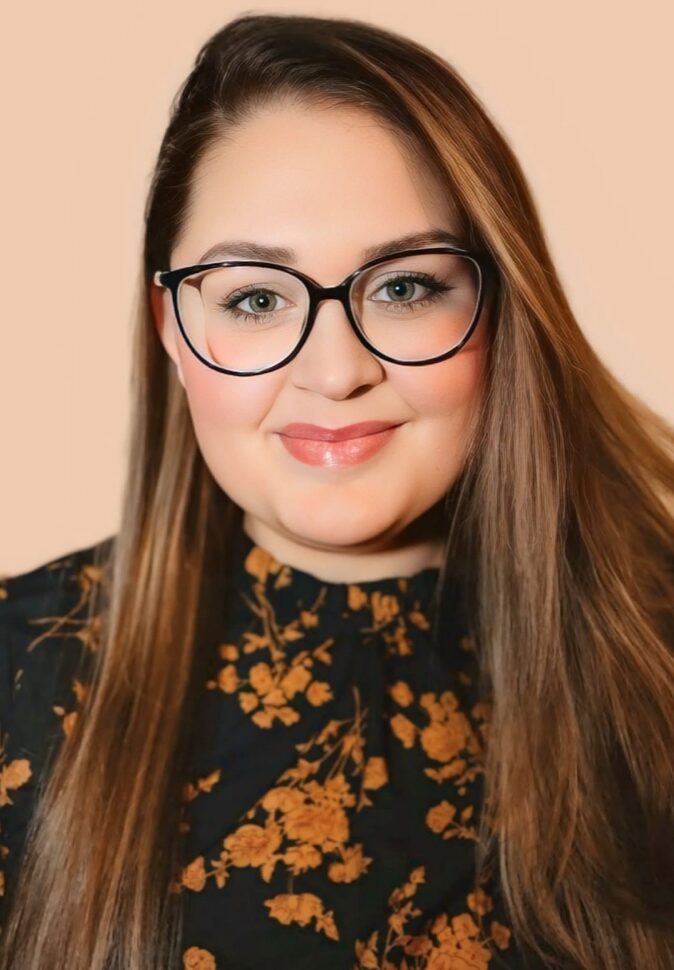
Meghan Etsey is a fourth year medical student from St. George’s University. She has a Bachelors of Arts in Biology and a Bachelors of Arts in Nutrition and Dietetics from Bluffton University in Bluffton, Ohio. She served as the President of the St. George’s University’s Women in Medicine chapter in St. George, Grenada where she expanded relationships with the community and worked towards educating women and helping the youth. She is also a member of the Gender Equity Task Force and Sex and Gender Health Collaborative Committees within the American Medical Women’s Association. When she is not pursuing medicine, you can find her with her friends and family on different road trips and adventures exploring the world.