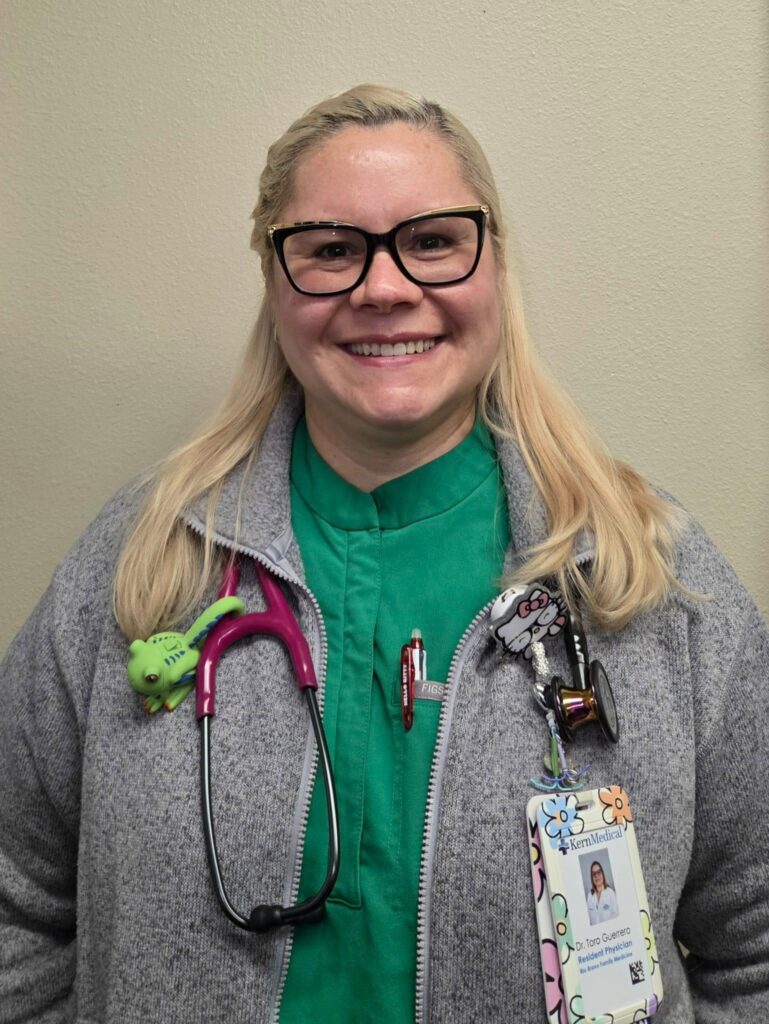
For Hispanic Heritage Month, celebrating heritage means more than honoring where I come from. It means recognizing how the values instilled in me in Venezuela continue to shape every step of my medical career. Leaving my home country meant leaving behind familiar ground, established clinical footing, and a lifetime of roots to step into the complex, often daunting world of the United States medical system. The journey of an international medical graduate demands an unyielding kind of resilience: repeating examinations, validating credentials, and starting over in rooms where you must constantly prove your worth. Yet, carrying the strength, resourcefulness, and warmth of our culture transformed every barrier into a commitment to open doors wider for those who would come after me.
That commitment became collective action through the American Medical Women’s Association, where I founded and led the International Medical Graduate Initiative. Too often, foreign-trained Hispanic and immigrant physicians face isolation as they navigate an unfamiliar system. By building a dedicated community of mentorship, advocacy, and shared resources, our mission was clear: to redefine the narrative. Our bilingualism, our lived experiences of adapting to systemic disruption, and our deep cultural fluency are not hurdles to overcome, they are profound clinical assets that American healthcare urgently needs.
Today, that journey bridges the clinical front lines and population-level inquiry. As a family medicine resident, my Venezuelan heritage is an immediate bridge of trust with the diverse, vulnerable, and Spanish-speaking patients I care for each day. In the clinic, I see firsthand how social determinants, language barriers, and structural inequities dictate health outcomes, especially for our aging population. It is that bedside reality that fuels my work at the Harvard T.H. Chan School of Public Health, where I am pursuing an MPH in Epidemiology. In the classroom and the data lab, I am mastering the quantitative methods and causal inference needed to turn clinical observations into structural interventions, advocating for health equity and healthy aging on a systemic scale.
Being a Venezuelan physician in the United States means honoring the sacrifices of where I started by ensuring our communities are both seen at the bedside and represented in the science that shapes tomorrow’s policies. Hispanic Heritage Month is a reminder that our stories of migration and perseverance are not just personal milestones, they are blueprints for building a more compassionate, equitable healthcare system for everyone.