Medicine and the humanities have been intertwined since antiquity. Many great physicians—among them Aristotle, Hippocrates, Maimonides, and Chekhov—left their mark not only on medicine but also on the arts and humanities, positioning medicine as an integral part of intellectual and cultural life. This blending of disciplines offers both an outlet for personal expression and a pathway to more empathetic, meaningful patient care.
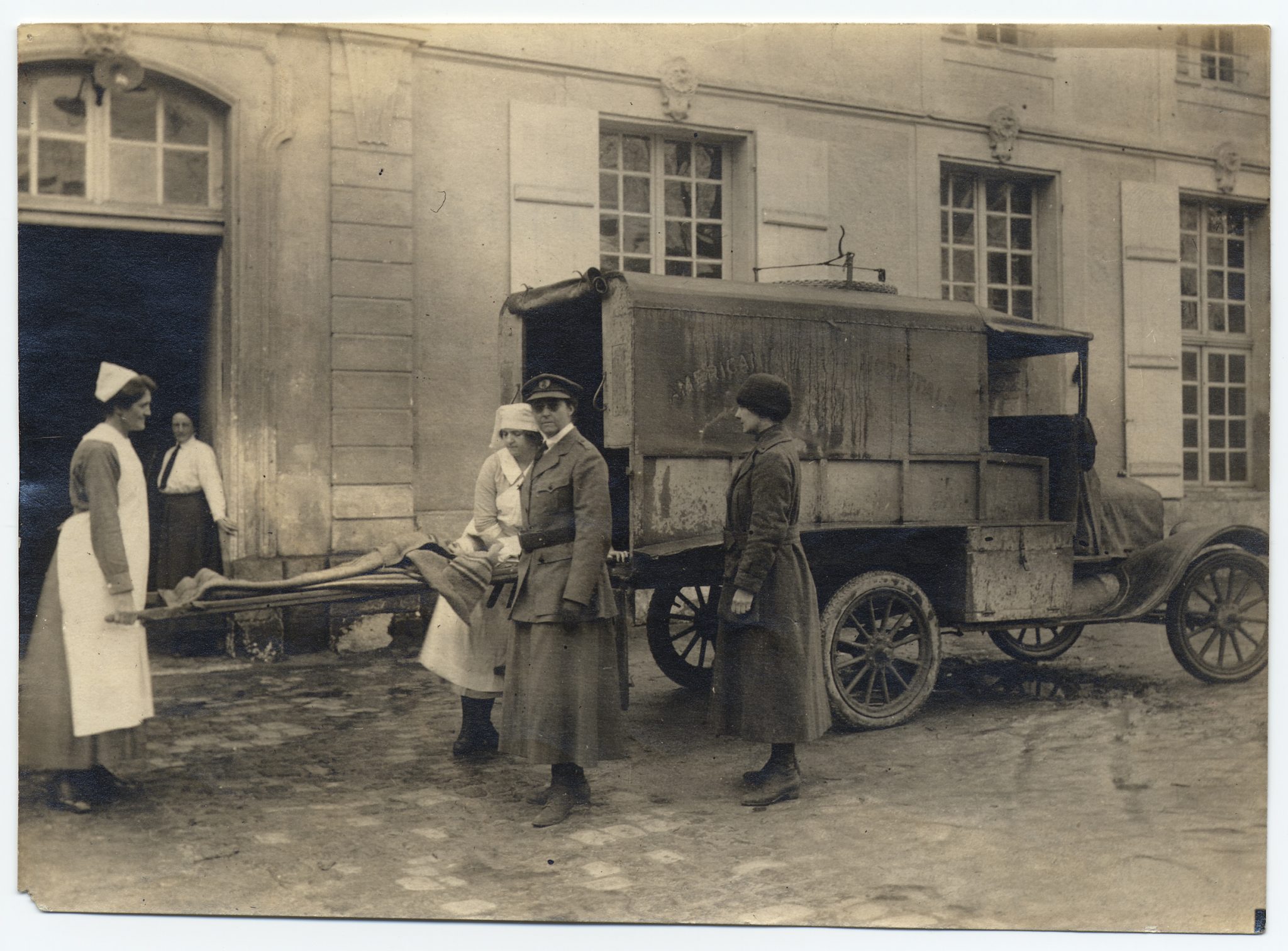
AMWA celebrates a vibrant community of members who integrate the arts into their medical journeys. AMWA’s medical humanities initiatives encompass a range of creative pursuits—music, visual art, literature, history, and the performing arts—all inspired by their shared intersection with medicine.
In collaboration with Rutgers Women’s Health Institute.
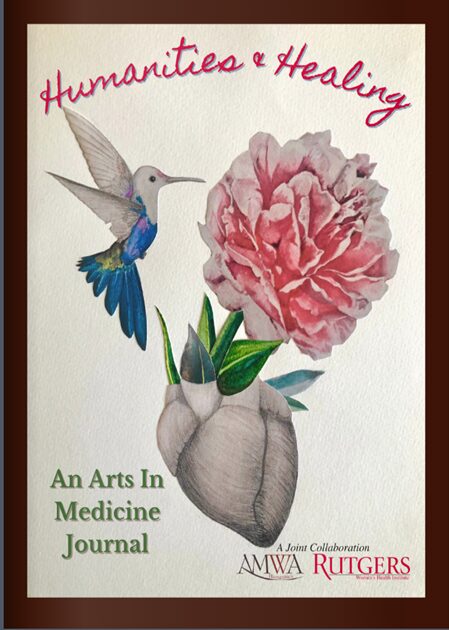
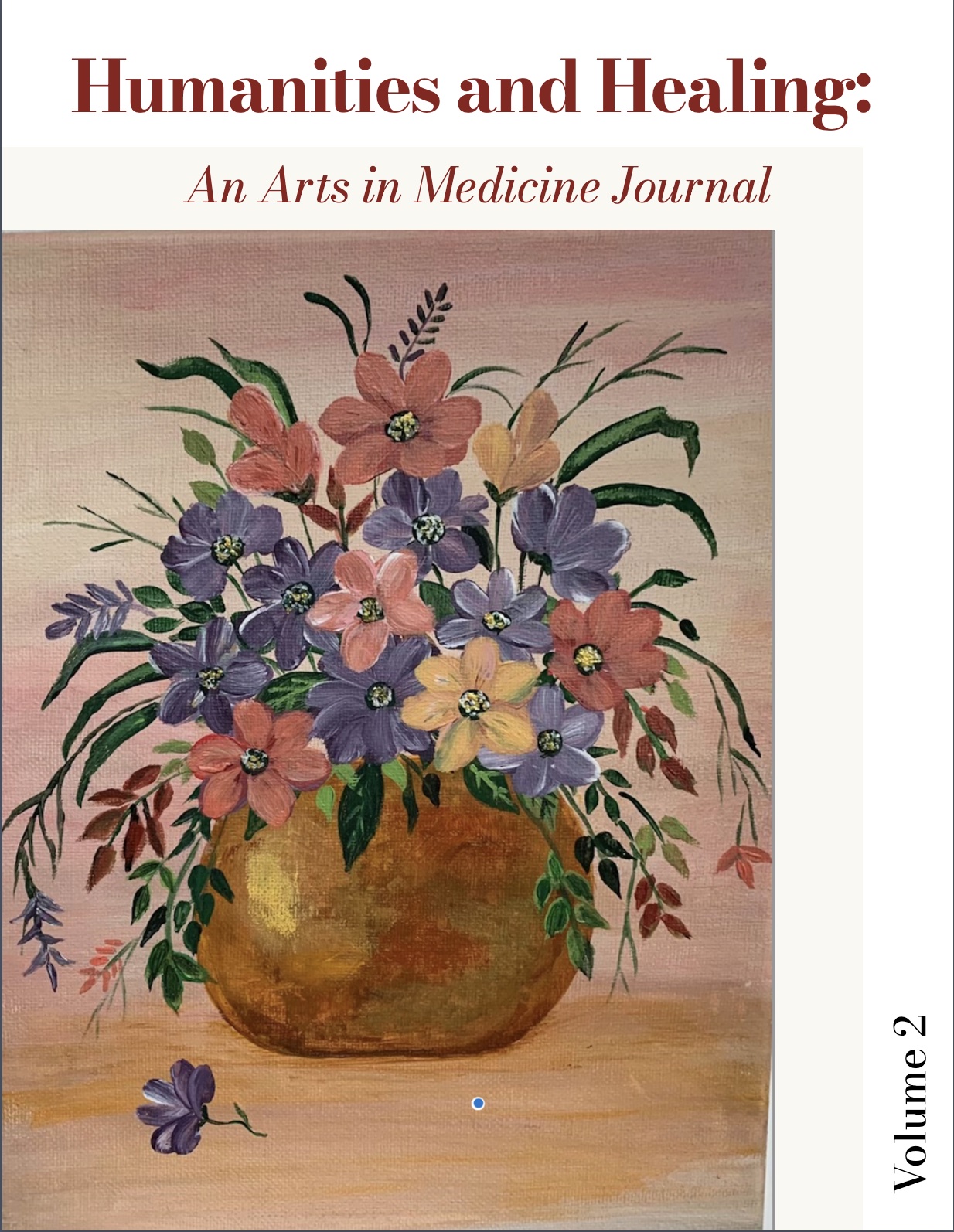
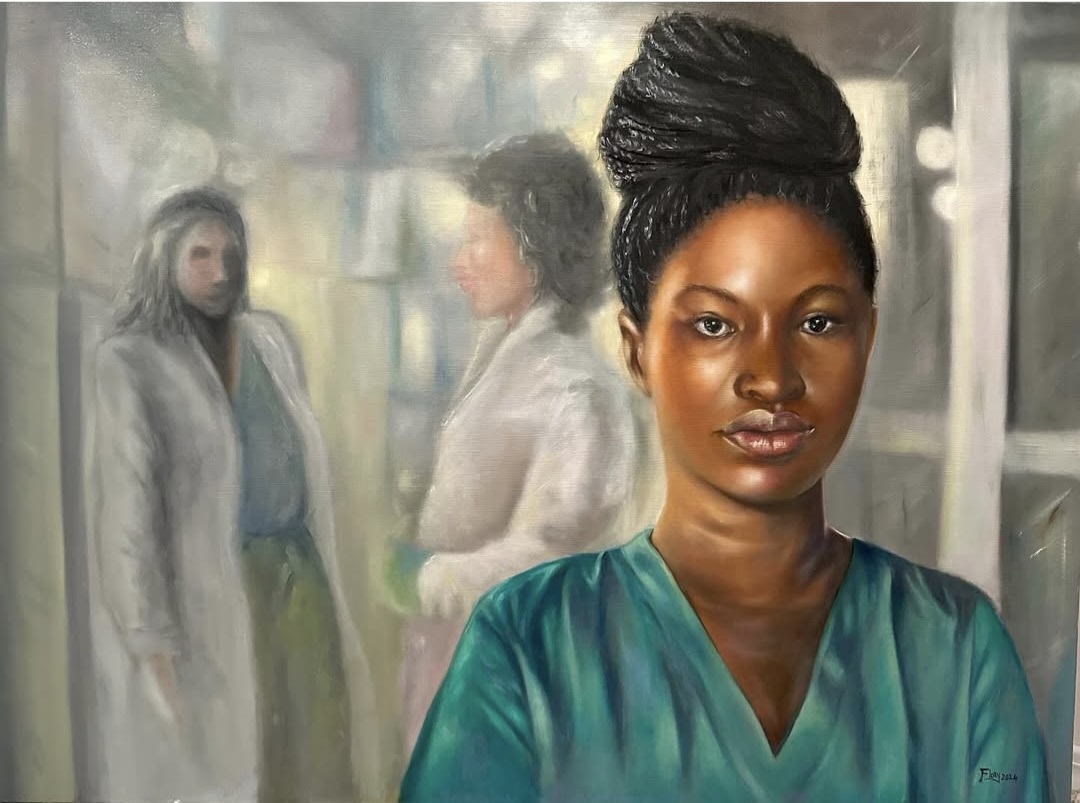
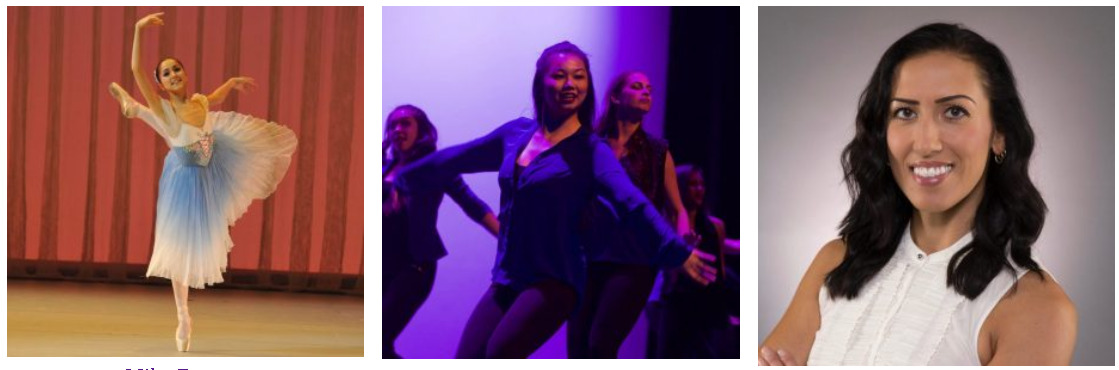
Journal submissions showcase the considerable breadth of talent of our physicians and students across the humanities, including music, art, photography and dance. We hope that our journal can inspire and play a role in healing.
Literary AMWA offers a monthly virtual open forum to encourage writing, using storytelling and narrative medicine to foster empathy, reflection, and healing.
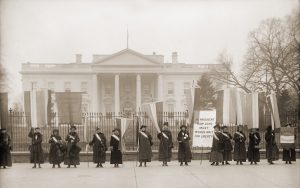
This AMWA online exhibition celebrates women physicians’ contributions to the suffrage movement and their advocacy for equal voting rights.
Medical Humanities Gains Traction in Medical Education, Scholarship, and Practice
Why are the humanities important in medicine? A growing body of literature suggests that engaging with the arts and social sciences enhances medical acumen, deepens empathy, and improves professional fulfillment. By exploring the human condition through literature, art, history, or philosophy, physicians and trainees gain a richer understanding of patients’ experiences of illness—its nature, causes, and impact—fostering more compassionate and effective care.
Medical Humanities Introduces Shared and Related Experiences
Medical training rightly emphasizes knowledge mastery and technical skill, often relying heavily on structure, protocols, and memorization. Yet, this focus can leave little room for the critical reflection and interpretive thinking found in disciplines like philosophy, literature, or law. The medical humanities help fill that gap—cultivating curiosity, perspective-taking, and moral imagination. Integrating these fields into medical education is not merely additive; it can enhance patient outcomes while deepening compassion and satisfaction for clinicians themselves.
AMWA proudly celebrates the role of the humanities in medicine through initiatives that highlight art, music, writing, film, dance, theater, and history. Our Artist-in-Residence Program has featured creators from diverse backgrounds who explore healing and humanity through many forms of artistic expression.
2025 – 2026 Artist in Residence: Chetna Singh, M.D.
2025 – 2026 Artist in Residence: Maya Lakshmi Srinivasan, M.D.
2024 – 2025 Artist in Residence: Kella L. Vangsness, D.O.
2023 – 2024 Artist in Residence: Florence Desrosiers, M.D., MBA
2022 – 2023 Artist in Residence: Sami Ali, M.D.
2022 – 2023 Artist in Residence: Leana Pande, D.O
2021 – 2022 Artist in Residence: Zainab Mabizari, M.D.
2020 – 2021 Artist in Residence: Karen Poirier-Brode, M.D.
2019 – 2020 Artist in Residence: Somalee Banerjee, M.D.
2018 – 2019 Artist in Residence: Vidya Viswanathan, M.D.
2017 – 2018 Artist in Residence: Hiba Ibad, M.D.
2016 – 2017 Artist in Residence: Shilpa Darivemula, M.D.