
Authors: Stephanie Johnson, MS, MPH; Rhea Manohar, MPH; Meghan Etsey; Ariela Marshall, MD on behalf of the AMWA Gender Equity Task Force
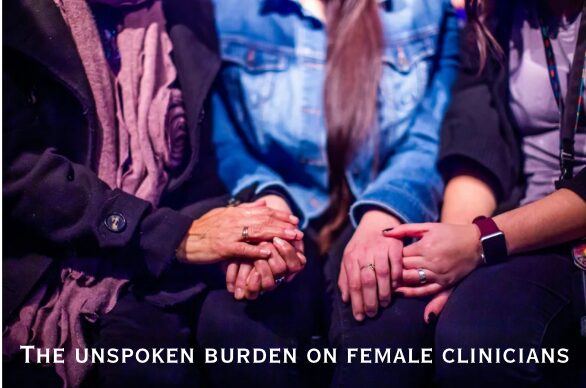
As physicians, we pledge to provide care, comfort, and healing. Yet for many female physicians and medical trainees, the very space where we serve becomes a site of vulnerability. Sexual harassment in patient interactions is an insidious and often unspoken part of medical practice and places a disproportionate burden on women at every stage of their careers. It erodes trust, increases isolation, and undermines our ability to deliver care with full presence and confidence (Scholcoff et al., 2020).
Sexual harassment of female clinicians by patients is a persistent and often overlooked occupational hazard, yet many incidents go unreported. Harassment includes situations such as These behaviors arise in response to common boundary violations, sexual remarks, exposure, and unwanted touching, that frequently occur during routine clinical care (AAMC, 2018). Many women physicians report receiving no formal training on how to respond to patient-initiated harassment, leaving them to rely on informal strategies such as modifying exams, avoiding being alone with certain patients, or silently enduring misconduct (Scholoff et al., 2020). These patterns reflect not only individual experiences but also the hidden curriculum of medical training: an environment in which learners quickly absorb that such behavior is “part of the job,” that speaking up may carry professional risk, and that institutional responses are often inconsistent or inadequate.
The dynamics of the patient–physician relationship further complicate these experiences. Trainees and early-career physicians are particularly vulnerable due to hierarchical pressures, overnight or isolated shifts, and fears that reporting harassment could be seen as an inability to manage difficult encounters (Scholoff et al., 2020; Gianakos et al., 2022). Additionally, in specialties requiring close physical examination of patients, such as obstetrics/gynecology and urology, this vulnerability is further amplified (Nam et al., 2023).
Publicly reported accounts of harassment echo these themes: patients telling women physicians they are “too pretty” to be doctors, making explicitly sexual comments during exams, or attempting unwanted physical contact (AAMC, 2018). Although some incidents involve patients who are cognitively impaired, under the influence of medications, or have various psychiatric diagnoses, many do not. Institutional responses are often inconsistent, reinforcing the message that such behavior is something clinicians must quietly manage on their own. These experiences affect not only individuals but also the workforce. Harassment can influence communication patterns, shape which settings or patient populations clinicians feel safe treating, and contribute to emotional strain (Linos et al., 2022). At a broader level, tolerating harassment reinforces gender inequities and undermines psychological safety, particularly in fields where women remain underrepresented.
The consequences reach far beyond discomfort. Women who report harassment or feel unsafe at work are more likely to experience burnout, depression, decreased career satisfaction, and even leave medicine altogether (Linos et al., 2022). This aligns with findings that mistreatment by patients, families, and visitors is significantly associated with higher emotional exhaustion and depersonalization, especially among women physicians (American Medical Association, 2022).
Medical students, residents and early-career physicians face unique vulnerabilities including lack of autonomy, evaluation anxiety, and additional intersectional vulnerabilities. Trainees may feel unable to refuse problematic patient assignments or feel pressure to perform for supervisors even when uncomfortable. The fear of being labeled difficult or uncooperative can silence trainees from reporting harassment. Furthermore, women of color, LGBTQ+ trainees and international medical graduates often face compounded risk, intersections of gender, race/ethnicity and immigrant status intensify vulnerability but are less well studied (Linos et al., 2022). For trainees, such experiences can erode confidence, impair learning, and influence specialty choice, often pushing women away from high-need but male-dominated fields.
A qualitative study of female providers found that many lacked formal training on how to manage patient-perpetrated harassment, leaving clinicians to rely on informal coping strategies such as avoiding being alone with certain patients, modifying clinical encounters, or silently enduring misconduct (Scholcoff et al., 2020). These adaptive behaviors, while understandable, carry consequences. Clinicians who feel unsafe may become more guarded in patient interactions, experience heightened emotional strain, or reduce their exposure to settings where harassment is more common. Over time, some may choose clinical roles, schedules, or specialties that feel safer but limit their professional satisfaction or advancement. These can include more academic or less patient-facing roles and daytime rather than evening hours to avoid one-on-one interactions. Harassment also contributes to the persistent gender disparities seen in several interventional and procedural fields, where women remain underrepresented. When institutions appear to tolerate harassment, explicitly or implicitly, it reinforces existing inequities and erodes trust, professionalism, and the sense of belonging that underpins a healthy clinical culture.
The first step is acknowledgment: sexual harassment of female clinicians by patients and families is neither rare nor trivial. The second step is intervention, and this requires deliberate actions taken on a systemic scale. We suggest the following measures:
1. Create simple, clear pathways for support.
Rather than building new systems from scratch, institutions can adapt what already exists:
- Add patient-to-provider harassment to existing safety or incident-reporting forms.
- Identify one or two designated contacts per department (e.g., program director, departmental ombudsman) who can provide quick guidance or help escalate.
- Ensure clinicians know “who to call” after an incident, this alone reduces isolation considerably.
2. Prepare trainees realistically.
A brief, 10–15 minute orientation for high-risk settings (night shifts, isolated areas, certain clinics) can replace the “learn the hard way” hidden curriculum. This can be as simple as:
- naming common scenarios,
- clarifying when to step out or call for help, and
- outlining department norms for managing inappropriate behavior.
This doesn’t require new programming, just integrating a small conversation into existing rotation introductions.
3. Normalize quick debriefs, not formal training.
Leadership can foster a safer culture through small, consistent habits:
- checking in with trainees after a difficult encounter,
- offering to step in or accompany them if a pattern develops,
- modeling verbal boundaries (“That comment is not appropriate”).
4. Build connections through low-lift peer support.
The evidence is clear: clinicians feel safer and more confident when they can talk about these experiences. This doesn’t require formal groups. Reasonable options include:
- adding a “challenging patient interactions” moment to existing team huddles,
- optional monthly 20-minute reflection rounds,
- pairing trainees with mentors who explicitly discuss interpersonal challenges.
These approaches create psychological safety without adding major time burdens.
5. Collect simple data to guide improvements.
Instead of large research efforts, departments can gather pragmatic, meaningful information:
- quick anonymous pulse surveys twice a year,
- tracking the number of incidents that reach a supervisor,
- asking clinicians whether they feel safer or more supported over time.
Sharing even small wins, faster responses, increased comfort reporting, fewer repeat offenders, reinforces that change is happening.
To complement institutional reforms, female clinicians need access to resources that provide emotional support, guidance, and safe mechanisms for reporting harassment. Several national organizations offer actionable pathways for clinicians seeking help:
- Equal Rights Advocates – Workplace Legal Guidance: https://www.equalrights.org/issue/economic-workplace-equality/sexual-harassment/
A comprehensive “Know Your Rights” guide on sexual harassment, helping clinicians understand how federal and state laws protect them in the workplace. The guide clearly defines what constitutes harassment and explains legal protections under Title VII and other anti-discrimination laws. ERA also provides tools like sample internal complaint letters and a Sexual Harassment Toolkit for advocates. The guide details understanding reporting processes, documenting misconduct, and exploring legal action.
- VictimConnect Resource Center https://victimconnect.org/
A national, confidential helpline that offers individualized support for anyone experiencing harassment, including workplace and patient-perpetrated misconduct. Clinicians can call/text 1-855-4-VICTIM (855-484-2846), live chat, or use the resource map to receive guidance, learn their rights, and obtain referrals to local support groups and legal resources.
- RAINN National Sexual Assault Hotline https://rainn.org/help-and-healing/hotline/
RAINN is another option for confidential, trauma-informed support for harassment. Through a 24/7 hotline and online chat, clinicians can speak with trained support specialists who offer emotional support, safety planning, and guidance on what next steps may look like, whether that involves reporting, seeking medical care, or simply having someone to talk to. RAINN also connects users with local service providers, counseling options, and survivor support programs in their area.
- National Sexual Violence Resource Center https://www.nsvrc.org/find-help/
NSVRC has resources ranging from survivors, to friends and family, to advocates and educators. Survivors can find help in their area and next steps, while friends and family can learn how to help survivors as well as strategies for prevention. On a systemic level, NSVRC has models for prevention and the Sexual Assault Response Teams (SART) toolkit guides hospitals on how to set up teams to help clinicians respond after an incident.
These resources offer tangible support for clinicians navigating harassment, especially when the clinician needs information on where to go from here.
For decades, women have entered medicine with the expectation to learn to provide compassionate care and “be resilient” – a demand made of all physicians. However, resilience shouldn’t mean silence. The presence of sexual harassment in the clinical setting demands our collective attention not as isolated breaches, but as barriers to equity, well-being and high-quality care. Female clinicians and trainees deserve workplaces where their gender does not become a liability, and where they can fully focus on patients rather than protecting themselves. As we champion equity for patients, we must also champion safety for physicians. The future of medicine depends on women feeling safe, valued and empowered, not silenced.
References:
- AAMC. (2018). When the perpetrators are patients: The growing problem of sexual harassment in the health care workplace. Association of American Medical Colleges. https://www.aamc.org/news/when-perpetrators-are-patients
- American Medical Association. (2022). Mistreatment, discrimination by patients adds to physician burnout. AMA News. https://www.ama-assn.org/practice-management/physician-health/mistreatment-discrimination-patients-adds-physician-burnout
- Gianakos, A. L., Freischlag, J. A., Mercurio, A. M., Haring, R. S., LaPorte, D. M., Mulcahey, M. K., Cannada, L. K., & Kennedy, J. G. (2022). Bullying, discrimination, harassment, sexual harassment, and the fear of retaliation during surgical residency training: A systematic review. World Journal of Surgery, 46(7), 1587–1599. https://doi.org/10.1007/s00268-021-06432-6
- Linos, E., Lasky-Fink, J., Halley, M., Sarkar, U., Mangurian, C., Sabry, H., … & Jagsi, R. (2022). Impact of sexual harassment and social support on burnout in physician mothers. Journal of Women’s Health, 31(7), 932–940. https://doi.org/10.1089/jwh.2021.0487
- Nam, C. S., Gupta, P., Stroumsa, D., Byrd, K. M., Lee, K. T., Goh, M., Cameron, A. P., & Viglianti, E. M. (2023). Self-reported patient-perpetrated sexual harassment and subsequent reporting among health care clinicians in urology and obstetrics-gynecology: A cohort survey. Urology, 182, 239–243. https://doi.org/10.1016/j.urology.2023.09.027
- Scholcoff, C., Farkas, A., Machen, J. L., Kay, C., Nickoloff, S., Fletcher, K. E., & Jackson, J. L. (2020). Sexual harassment of female providers by patients: A qualitative study. Journal of General Internal Medicine, 35(10), 2963–2968. https://doi.org/10.1007/s11606-020-06018-3
- Pendergrast, T., Jain, S., Trueger, S., Gottlieb, M., Arora, V. M. (2021). Prevalence of personal attacks and sexual harassment of physicians on social media. JAMA Internal Medicine, 181(6), 811–814. https://doi.org/10.1001/jamainternmed.2020.7235
About the Authors
Stephanie M. Johnson, MS, MPH, MS3
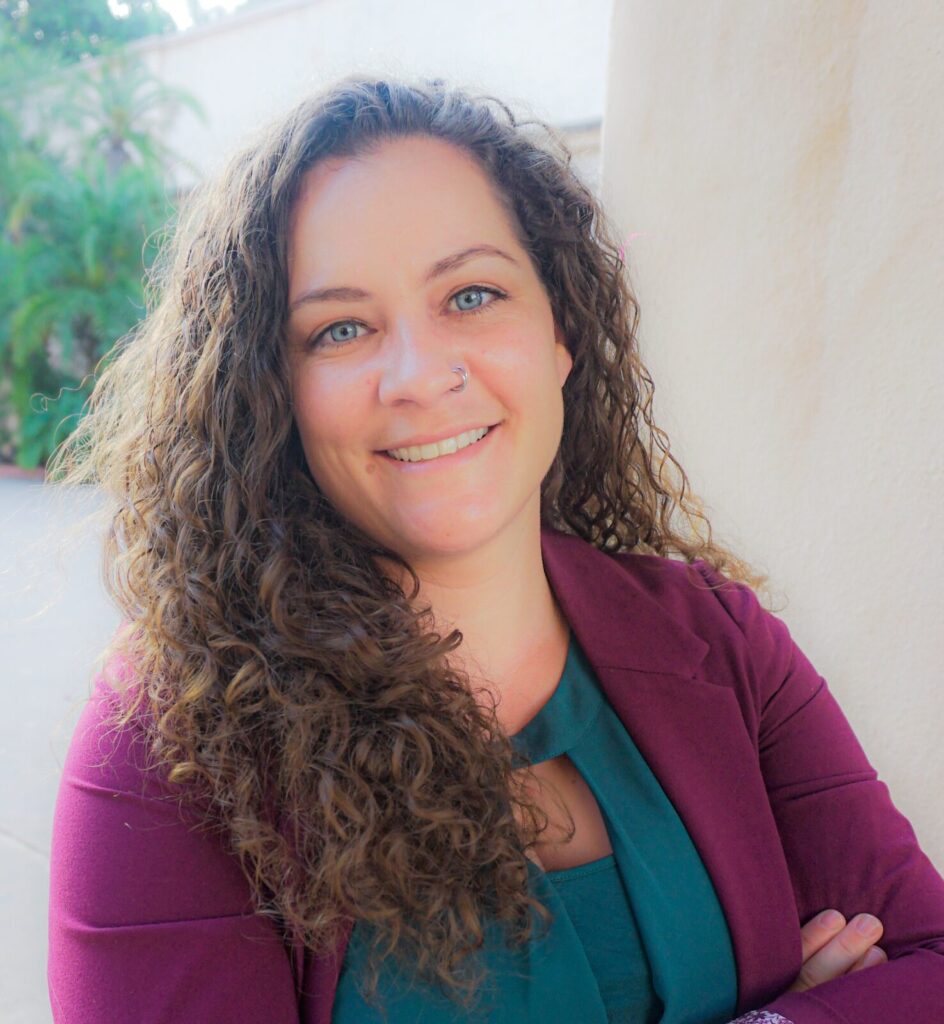
Stephanie M. Johnson is a third-year medical student at St. George’s University. She holds a Master of Science in Biomedical Science and a Master of Public Health in Urban Health Disparities from Charles R. Drew University of Medicine and Science, as well as a Bachelor of Science in Biology and a Bachelor of Business Administration in Business Law from National University, completed while serving in the U.S. Navy. She has held multiple leadership roles, President of the Women’s Health Interest Group and Vice President of LGBTQIA+ Club at Charles R. Drew. She is also a member of the American Medical Women’s Association Gender Equity Task Force. Her academic interests include trauma and burn surgery. Outside of medicine, you can find her playing tennis, traveling, or spending time with friends.
Rhea Manohar, MPH, MS3
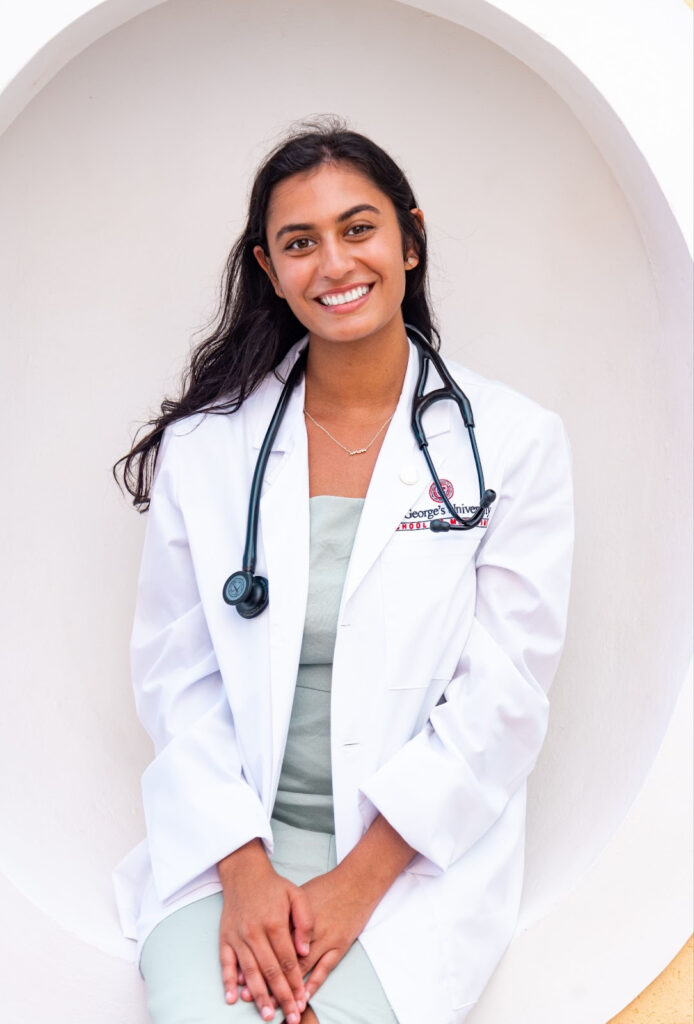
Rhea Manohar is a third year medical student from St. George’s University. She has a Masters in Public Health with a concentration in Maternal and Child Health from George Washington University Milken Institute of Public Health and a Bachelors of Science in Microbiology, Immunology, and Public Health from the University of Miami. She served as Co-VP of OB/GYN Education for St. George’s University’s Women in Medicine chapter in St. George, Grenada where she developed and implemented hands-on workshops to further reproductive health issues and bolstered medical students abilities to navigate physician-patient communication. Prior to medical school, she was a Research Associate for Fors Marsh Group, where she led qualitative and quantitative public health research and campaign development for federal agencies (e.g., CDC, NIH, DHHS, CPSC). She is also a member of the Gender Equity Task Force and Reproductive Health Coalition within the American Medical Women’s Association. When she is not pursuing medicine, you can find her reading, exploring artistic passions, and spending time connecting with friends and family.
Meghan Etsey, MS4
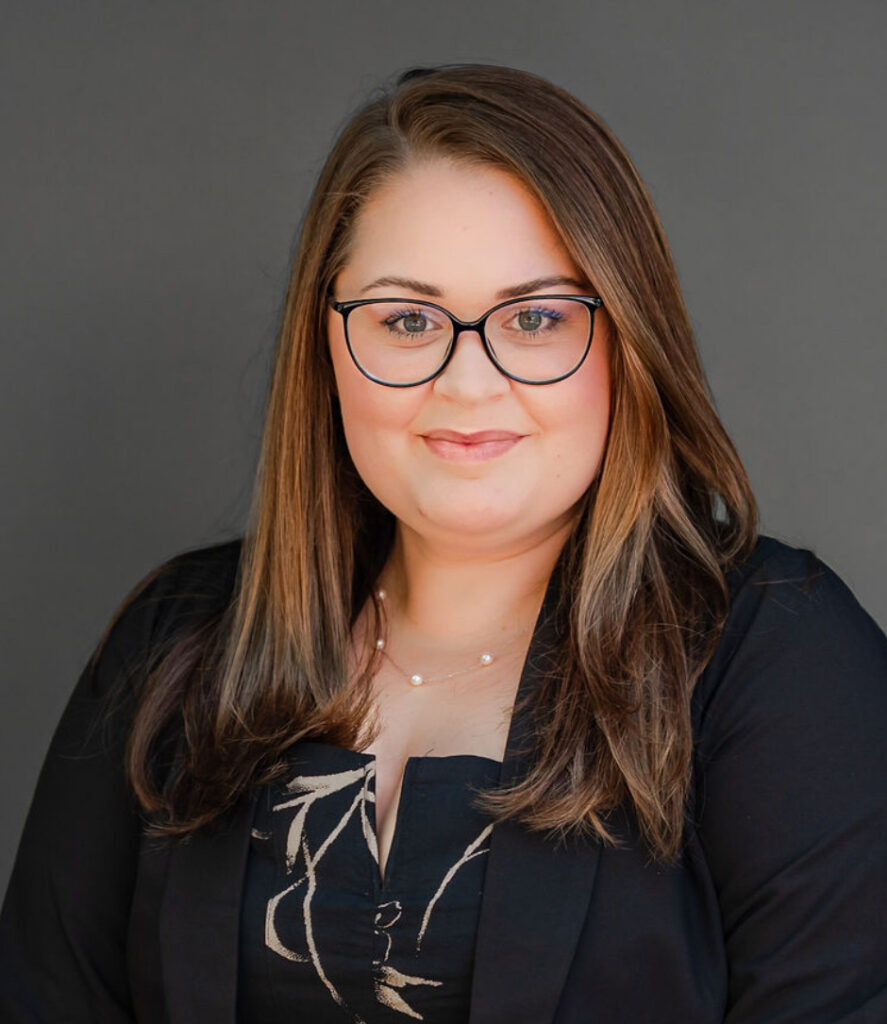
Meghan Etsey is a fourth year medical student from St. George’s University. She has a Bachelors of Arts in Biology and a Bachelors of Arts in Nutrition and Dietetics from Bluffton University in Bluffton, Ohio. She served as the President of the St. George’s University’s Women in Medicine chapter in St. George, Grenada where she expanded relationships with the community and worked towards educating women and helping the youth. She is also a member of the Gender Equity Task Force and Sex and Gender Health Collaborative Committees within the American Medical Women’s Association. When she is not pursuing medicine, you can find her with her friends and family on different road trips and adventures exploring the world.
Dr. Ariela Marshall, MD
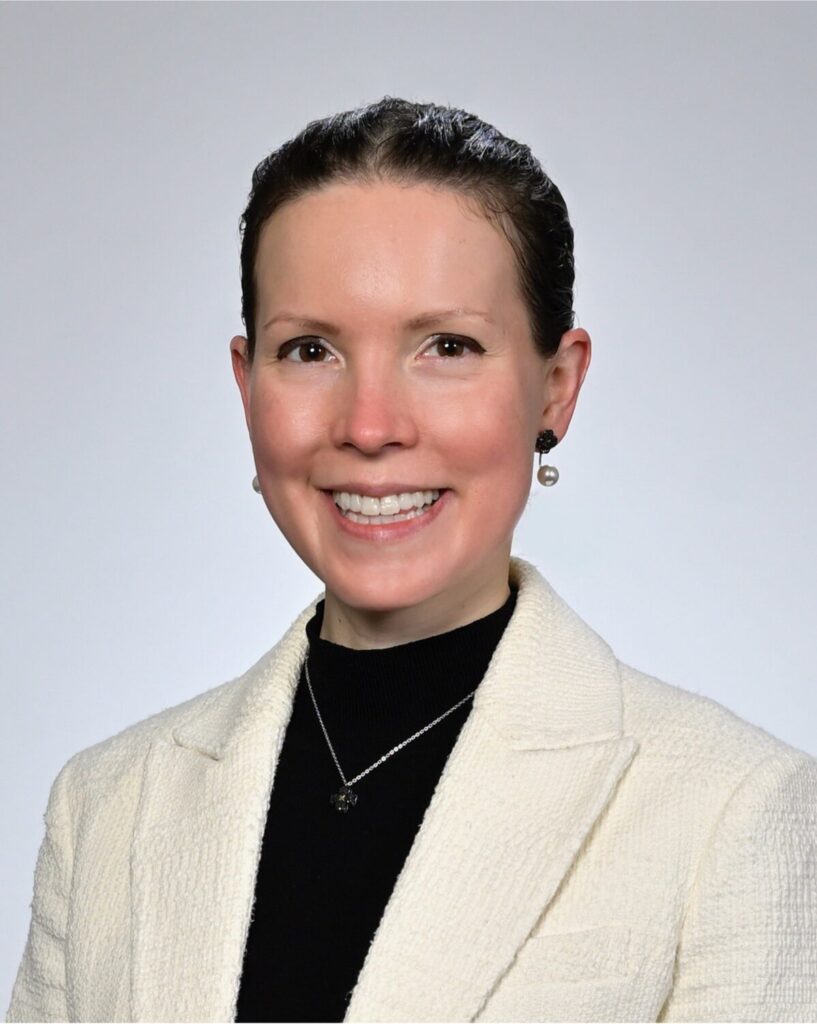
Dr. Ariela Marshall is a Harvard-trained physician and an internationally renowned advocate, career development advisor, and mentor. Dr. Marshall specializes in bleeding and clotting disorders, especially as they relate to women’s health. She has worked at Mayo Clinic and the University of Pennsylvania and currently practices as a consultative hematologist at the University of Minnesota (UMN) and the Program Director of the UMN Hematology-Oncology Fellowship. In addition to her clinical work, Dr. Marshall is a highly respected leader, mentor, and speaker. She is an active leader with the American Society of Hematology (where she led efforts to found the Women in Hematology Working Group and currently holds seats on the Women in Heme Working Group, Committee on Communications and Media Experts Subcommittee) and American Medical Women’s Association (leading the Infertility Working Group and holding seats on the Gender Equity Task Force). She speaks regularly on a national and international scope to discuss her efforts to advance career development and mentorship for physicians, gender equity, fertility/infertility awareness, parental health and wellbeing, reproductive health and rights, and work-life integration.