
Authors: Rhea Manohar, MPH; Leah Liszak, Meghan Etsey, Yun Weisholtz, MD-PhD on behalf of AMWA Gender Equity Task Force
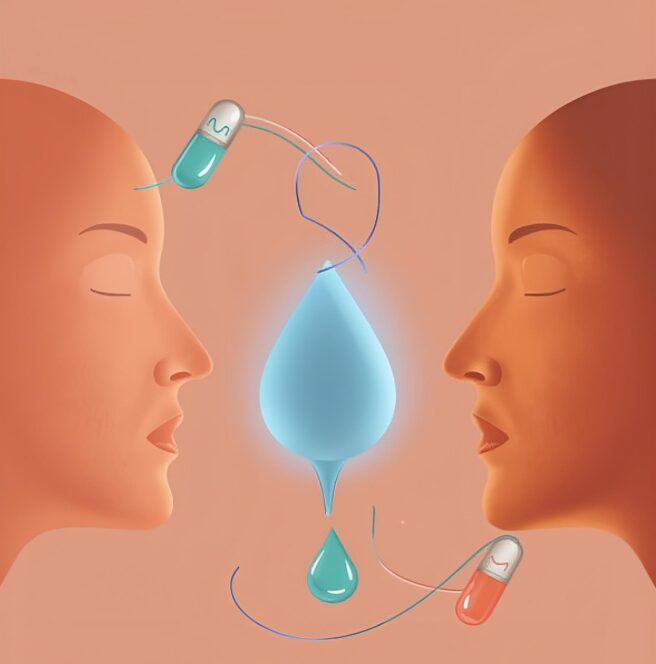
Diabetes care has entered an era of precision therapeutics: we no longer treat “blood sugar” as a single entity but rather tailor regimens to comorbidities, risk profiles, and, critically, individual biology. One frequently overlooked piece of that biology is sex: the endocrine hormone pathways that distinguish women from men can shape disease expression and drug response. This matters as a new cornerstone therapy in type 2 diabetes (T2DM), glucagon-like peptide-1 receptor agonists (GLP-1), are entering broader use, necessitating a deeper dive into how this treatment interacts, directly or indirectly, with pathways influenced by sex hormones.
GLP-1s are incretin-based agents that amplify glucose-stimulated insulin secretion, suppress inappropriate glucagon release, slow gastric emptying, and promote satiety. These mechanisms improve glycemia and consistently produce clinically meaningful weight loss (Nauck & Meier, 2020). In recent years, the therapeutic footprint of this class has grown: long-acting agents (e.g., liraglutide, semaglutide) and next-generation dual/triple agonists (e.g., tirzepatide) have demonstrated superior glycemic control, weight reduction, and cardiovascular benefits in adults with T2DM (Yao et al., 2024). Beyond glycemic endpoints, GLP-1s are being evaluated for cardiometabolic and neuroprotective roles, expanding their use across specialties (Nauck & Meier, 2020; Alfaris et al., 2024).
Emerging evidence suggests sex may matter in both efficacy and tolerability. Some real-world cohorts and pooled analyses report greater weight loss among women treated with GLP-1 RAs than among men, though findings are not entirely consistent, and effect sizes vary by agent and population studied (Rivera et al., 2024; preliminary sex-specific meta-analyses continue to be published). Notably, women also appear to discontinue GLP-1 therapy more frequently because of gastrointestinal adverse effects than men in some cohorts (Börchers et al., 2024). These sex differences have biological plausibility because GLP-1 receptors are expressed in central appetite circuits and peripheral tissues whose signaling is modulated by estrogen and other sex steroids (Vigil et al., 2022; Model et al., 2024). Animal and translational work hints at synergy between estrogen signaling and GLP-1 pathways, raising the possibility that fluctuating sex hormone states (menstrual cycle, menopause, exogenous hormones) may shape both efficacy and side-effect profiles (Vigil et al., 2022; Fuselier et al., 2022).
Despite hints of sex-specific effects, several gaps impede practice change. Many trials report overall efficacy but lack adequate power or pre-specified plans to detect sex differences (Raparelli et al., 2020). Few studies account for menopausal status, menstrual cycle phase, oral contraceptive use, or hormone replacement therapy, which could meaningfully modify response. Guidance on strategies to minimize GI adverse events in women is largely empirical. While women are included in many GLP-1 and obesity trials, enrollment proportions and subgroup reporting remain inconsistent (Rivera et al., 2024). Most analyses do not examine how sex interacts with race, socioeconomic status, or reproductive conditions (e.g., PCOS), limiting generalizability. Over the past decade, much research has concluded that women with PCOS have significant differences in their gut microbiome compared to their healthy controls (Szczesnowicz et al., 2023). This is a crucial interaction that should be investigated using GLP-1 RAs in women.
For clinicians caring for women with T2DM today:
- Individualize therapy: recognize that women may derive equal or greater weight benefits from GLP-1 therapy but may also face more GI adverse events—counseling and slow up-titration can improve persistence. (Nauck & Meier, 2020; Börchers et al., 2024).
- Ask about hormonal context: discuss menopausal status, contraceptive use, and pregnancy plans before initiating agents with systemic metabolic effects.
- Monitor and adapt: be attentive to tolerability and be willing to adjust dosing schedules or supportive antiemetic strategies.
For researchers and institutions:
- Mandate sex- and hormone-state reporting in trials of diabetes therapies and require pre-specified subgroup analyses.
- Design trials that intentionally enroll and power for sex differences, and include reproductive-age women, menopausal women, and those on/exposed to hormone therapies.
- Study mechanistic interactions between estrogen signaling and incretin pathways in humans, translational work that can guide dosing and adjunctive therapies.
- Center equity: ensure diverse enrollment (race/ethnicity, age, socioeconomic status) so findings are generalizable.
Sex hormones are not academic curiosities; they are biological forces that shape metabolism, symptom burden, and potentially responses to cornerstone diabetes treatments. The evolving story of GLP-1 RAs and metformin reminds us that a one-size approach risks both suboptimal outcomes and avoidable side effects for women. As clinicians, investigators, and advocates, we must demand that sex and hormonal context move from footnote to focal point in diabetes research and practice. Doing so will improve care for women and for the population at large.
References:
- Alfaris, N., et al. (2024). GLP-1 single, dual, and triple receptor agonists for treating type 2 diabetes and obesity. eClinicalMedicine. https://doi.org/10.1016/j.eclinm.2024.101386
- Börchers, S., & Skibicka, K. P. (2025). GLP-1 and Its Analogs: Does Sex Matter?. Endocrinology, 166(2), bqae165. https://doi.org/10.1210/endocr/bqae165
- Fuselier, T., Mota de Sa, P., Qadir, M. M. F., Xu, B., Allard, C., Meyers, M. M., Tiano, J. P., Yang, B. S., Gelfanov, V., Lindsey, S. H., Dimarchi, R. D., & Mauvais-Jarvis, F. (2022). Efficacy of glucagon-like peptide-1 and estrogen dual agonist in pancreatic islets protection and pre-clinical models of insulin-deficient diabetes. Cell reports. Medicine, 3(4), 100598. https://doi.org/10.1016/j.xcrm.2022.100598
- Ilias, I., et al. (2022). Metformin: sex/gender differences in its uses and effects — a narrative review. Journal of Endocrinology & Metabolism. https://www.ncbi.nlm.nih.gov/pmc/articles/PMC8952223/
- Nauck, M. A., & Meier, J. J. (2020). GLP-1 receptor agonists in the treatment of type 2 diabetes. Reviews in Endocrine & Metabolic Disorders, 21(4), 709–723. https://doi.org/10.1007/s11154-020-09554-0
- Oktora, M. P., et al. (2023). Sex disparities in treatment patterns after metformin initiation in patients with type 2 diabetes. Pharmacoepidemiology and Drug Safety. https://doi.org/10.1002/pds.5672
- Raparelli, V., et al. (2020). Sex differences in cardiovascular effectiveness of newer glucose-lowering agents: a systematic review. Journal of the American Heart Association, 9(23), e012940. https://doi.org/10.1161/JAHA.119.012940
- Rivera, F. B., et al. (2024). Enrollment of females in randomized trials for GLP-1 receptor agonists. Journal of the American College of Cardiology Advances. https://doi.org/10.1016/j.jacadv.2024.101386
- Vigil, P., et al. (2022). The importance of estradiol for body weight regulation in women. Frontiers in Endocrinology, 13, 967710. https://doi.org/10.3389/fendo.2022.967710
- Yao, H., et al. (2024). Comparative effectiveness of GLP-1 receptor agonists on glycemic control and weight outcomes: a systematic review. BMJ, 384, bmj-2023-076410. https://doi.org/10.1136/bmj-2023-076410
- Szczesnowicz, A., Szeliga, A., Niwczyk, O., Bala, G., & Meczekalski, B. (2023). Do GLP-1 Analogs Have a Place in the Treatment of PCOS? New Insights and Promising Therapies. Journal of clinical medicine, 12(18), 5915. https://doi.org/10.3390/jcm12185915
About the Authors
Rhea Manohar, MPH, MS3

Rhea Manohar is a third year medical student from St. George’s University. She has a Masters in Public Health with a concentration in Maternal and Child Health from George Washington University Milken Institute of Public Health and a Bachelors of Science in Microbiology, Immunology, and Public Health from the University of Miami. She served as Co-VP of OB/GYN Education for St. George’s University’s Women in Medicine chapter in St. George, Grenada where she developed and implemented hands-on workshops to further reproductive health issues and bolstered medical students abilities to navigate physician-patient communication. Prior to medical school, she was a Research Associate for Fors Marsh Group, where she led qualitative and quantitative public health research and campaign development for federal agencies (e.g., CDC, NIH, DHHS, CPSC). She is also a member of the Gender Equity Task Force and Reproductive Health Coalition within the American Medical Women’s Association. When she is not pursuing medicine, you can find her reading, exploring artistic passions, and spending time connecting with friends and family.
Leah Liszak, MS3

Leah Liszak is a third year medical student from St. George’s University. She has a Bachelors of Science in Biomedical Science from Oakland University in Auburn Hills, Michigan. She served as the SMILEs Orphanage Home Coordinator of the St. George’s University Humanism Service Organization in St. George, Grenada where she fostered impactful relationships with at-risk female youth and developed seminars to educate, encourage, and engage their personal growth. She is also a member of the Gender Equity Task Force with the American Medical Women’s Association. When she is not pursuing medicine, you can find her enjoying time with friends and family, working towards athletic pursuits in the gym, and testing new pastry recipes.
Meghan Etsey, MS4

Meghan Etsey is a fourth year medical student from St. George’s University. She has a Bachelors of Arts in Biology and a Bachelors of Arts in Nutrition and Dietetics from Bluffton University in Bluffton, Ohio. She served as the President of the St. George’s University’s Women in Medicine chapter in St. George, Grenada where she expanded relationships with the community and worked towards educating women and helping the youth. She is also a member of the Gender Equity Task Force and Sex and Gender Health Collaborative Committees within the American Medical Women’s Association. When she is not pursuing medicine, you can find her with her friends and family on different road trips and adventures exploring the world.
Yun Weisholtz, MD-PhD

Dr. Yun Weisholtz is a physician-scientist and advisor with a deep commitment to mentorship and advancing equity in medicine. She completed her undergraduate studies at Stanford University, where she double-majored in Biological Sciences and Chemistry, and spent a year in Germany as a Fulbright Scholar. She went on to enter the MD-PhD program in Neuroscience at Harvard Medical School and MIT, where she developed her passion for research, teaching, and mentoring. Dr. Weisholtz is a Physician Advisor with MedSchoolCoach and the founder of MD-PhD Advising, a consulting practice dedicated to helping students navigate the medical school and residency application process. Outside of work, she enjoys collecting Delft pottery from the Netherlands and spending time with her family and pets.