
Authors: Laura Uricoechea, Meghan Etsey, Vashti Price, Rosy Thachil, MD – on behalf of AMWA Gender Equity Task Force
“Our Voices, Our Future” is a podcast by the Gender Equity Task Force of the American Medical Women’s Association that explores the challenges, stories, and successes of those working to advance gender equity in medicine. Through candid conversations with changemakers, advocates, and leaders, each episode dives into issues like pay gaps, leadership disparities, and inclusive workplace culture. Tune in to be inspired, informed, and empowered to take action. Full episode listening links are available below the transcription.
Laura: Welcome to Our Voices, Our Future, the podcast where we amplify the voices driving change in equity within medicine and beyond. Brought to you by the Gender Equity Task Force, a committee of the American Medical Women’s Association. We’re here to challenge norms, break barriers, and ignite conversations that matter.
Laura: I’m your host, Laura Uricoechea, and in each episode, we bring you candid discussions with leaders, change makers, and advocates committed to building a more inclusive and just world. No more silence, no more waiting, it’s time to get Our Voices, Our Future. Today, we will be talking about women in medicine and leadership with a particular focus on the leaky pipeline. Why are women, especially those from underrepresented backgrounds, now making it to higher levels of leadership and medicine, despite more women entering the field of medicine? To help us unpack this, I am honored to welcome Dr. Rosy Thachil. Dr. Thachil is a quadruple board-certified cardiologist and the director of the Cardiac Intensive Care Unit at Elmhurst Hospital Center. She serves on the American College of Cardiology Critical Care Leadership Council and is an assistant professor at Mount Sinai College of Medicine in New York. Currently, Dr. Thachil is a candidate in the Wharton Executive MBA program at the University of Pennsylvania and holds certificates in physician leadership and bioethics. In addition to addressing cardiovascular disease, she is passionate about advancing women’s roles in leadership in medicine and serves as a co-chair of AMWA’s Gender Equity Task Force. Dr. Thatcher, thank you so much for joining us today.
Dr. Thachil: Thank you, Laura. Thank you for that wonderful introduction.
Laura: Of course. Okay, so I wanted to begin with the basics for our listeners who may not be familiar. Can you explain what the leaky pipeline means in medicine and why it is a persistent issue?
Dr. Thachil: Sure. So the Leaky Pipeline refers to the steady attrition of women as they advance through the stages of a medical career, from medical school to training, to early practice, to leadership positions. So while, as you alluded to before, women now make up more than half of medical school classes, we still see them underrepresented in positions of power. Be it department chairs, deans, professorships, board members, managing their practices, and so forth. This isn’t because of a lack of talent or ambition but because of institutional or societal structures that weren’t built with women in mind. So this creates a quiet but constant push out over time.
Laura: I spent some time reading the position paper you co-authored, “A Commitment to Gender Equity in Medicine: An American Medical Women’s Association Position Paper”. There was one statistic that stood out to me, which highlights the ongoing gender inequity in medicine. This statistic states that despite women comprising roughly half of medical school graduates for several years, only 21% of all professors, 15% of department chairs, and 16% of deans are women physicians.
Dr. Thachil: Those are sort of staggering statistics for 2025. So all of these women are entering medical school, but then we’re losing them in that pipeline at some point. It’s something that we certainly need to address as a medical community.
Laura: In your experience, where along the pipeline do you see the most significant drop-offs? Is it during training, early career, or when it comes to promotion into leadership roles?
Dr. Thachil: I think it’s all of the above. The early career phase is particularly vulnerable because that’s right when you have the demands of a new practice or job. You may also be involved in childbearing or caretaking. Then you may have professional advancement collide with all of these other things. So it’s the time we’re expected to lean in the hardest, yet often without the support, the infrastructure, the mentorship to support us in all areas of life. Then, later on in the career, the drop-off is still there because at the leadership table where decision-making happens, there’s still a lack of representation. So, it is across the trajectory of the woman’s career, but I certainly feel that the early career phase is particularly vulnerable.
Laura: I agree with you. In early career, as a woman enters the field of practice, navigating different responsibilities that are additional to professional responsibilities, such as parenting and caregiving, can make juggling responsibilities much more difficult. As you said, without the institutions and the people within them, without their support, we end up losing so many qualified women who could have filled leadership positions.
Dr. Thachil: Absolutely. Sometimes we lose them from medicine altogether as well.
Laura: I am aware that systemic biases also play a role in this. I wanted to ask you a question about this. How do systemic biases contribute to the leaky pipeline? Where do you see the most significant barriers?
Dr. Thachil: I think systemic bias is often invisible, right? It shows up in who gets tapped for high-impact projects, gets recommended for awards, and is seen as quote unquote leadership material. Oftentimes, women are more likely to be over-mentored and under-sponsored. So, there are lots of people to give you advice, but not many people put your name in the ring when there’s an opportunity, so that’s a challenge. There is also the double bind. So if we advocate for ourselves, we’re seen as difficult; if we don’t, we’re overlooked. It’s truly a tough spot, a narrow window we’re in. These barriers are reinforced by metrics of success that don’t account for structural inequality.
Laura: I think it is just overly complicated. Now that you mentioned that women are over mentored and under sponsored, would you mind talking more about this? I read an interview you did where you touched on this subject, but I would like you to expand on it so our listeners can learn more about it.
Dr. Thachil: Mentors are individuals who can give you advice and serve as consultants, but sponsors are people who give you opportunities. Sometimes mentors will tell you what to do and give you life advice based on their trajectory, but at the end of the day, advice is great, but opportunity is far better. So you need those people who say, “Hey, I’m gonna put Laura’s name in the ring for this opportunity,” or “I’m going to nominate her for this council or this position”. You need those people, not just people who will give you advice, but people who will give you actionable items.
Laura: I agree with that. I think it opens a lot more doors if you have somebody willing to do that for you, over just giving you advice for something.
Dr. Thachil: Absolutely
Laura: Do you think the leaky pipeline affects certain racial or ethnic groups disproportionately?
Dr. Thachil: I think so. I don’t have data to specifically support this, but I think I can speak from my experience here. As a woman of color, I think the compounded effect of racism on top of sexism is very challenging to deal with. I think microaggressions, visibility, exclusion from informal networks, and professional and otherwise. These all take a toll over time, and I certainly think intersectionality is something we need to talk about more, particularly in healthcare and medicine.
Laura: Is this something that you’re still experiencing to this day in your career?
Dr. Thachil: I think in general, women, people of color, and minority populations deal with this in medicine and healthcare. I think for me, I’ve built such a great community that I am more resilient towards the microaggressions now. So I have communities of women, communities of women, physicians that I can lean on when those things happen. These are systemic issues that we need to solve over time.
Laura: Do you have any advice for our listeners who maybe haven’t quite learned yet how not to let these microaggressions get to them?
Dr. Thachil: It’s really hard, right? Because I think probably 5-10 years ago, I think I used to engage in sort of emotional hurt when microaggressions would happen. Whether it was sort of a subtly sexist remark, something like that, it would really bother me, and I would sort of ruminate about it all day. I think over time, you develop your way of managing it. The way I always looked at it is if I dwell on the emotional hurt, it’s time I’m taking away from my career, you know? So that’s one way to look at it. Then, the other thing that helped me was to have a few friends, usually other female physicians, to vent about it. The truth is, it’s not an isolated experience. Other women experience this too, so having that community is really, really helpful.
Laura: Oh yeah, I could see that. I could see if there are other women also experiencing the same thing. You can build a lot of strength just by sharing those experiences with each other.
Dr. Thachil: Absolutely.
Laura: How do you think these compound inequities affect physicians and the broader healthcare system, from patient outcomes to innovation and research?
Dr. Thachil: When we lose diverse voices in medicine, we lose innovation and cultural competency. Patients do better with diverse teams and when they see themselves reflected in their providers. Research becomes more inclusive, policy becomes more human, and equity isn’t just a moral imperative but also clinical excellence. So the system loses when it fails to nurture everyone’s potential.
Laura: I feel like if the people making decisions or leading the departments don’t reflect the diversity of the patient population, there can be a disconnect that can really affect outcomes. The position paper had a strong call for institutional accountability and structured support.
Things like formal sponsorship programs, clear promotion criteria, and leadership development tracks. Have you seen any successful initiatives or programs that have improved retention rates?
Dr. Thachil: So I think at the institutional levels, if you can have programs that, like you said, center mentorship and sponsorship, normalize flexibility, have diversity in the leadership, those can be really effective. Leadership development programs, for example, that are tailored for women physicians have transparency in pay data and have dedicated support for caregiving. All of these things can have a real impact. The challenge is that many of these changes need to be systemic, not just at the institutional level, or even at the individual level.
So there’s a lot of work to be done here, across the board.
Laura: I think it’s really unfortunate that there are so many of these systemic barriers. Like you said, transparency and pay structures, and a lack of transparency and promotion procedures. All of these can contribute to the leaky pipeline, and they keep gender inequity and leadership going.
Laura: If we don’t address the leaky pipeline or if we keep normalizing it, what do you think the long-term consequences will be for future medicine?
Dr. Thachil: If we normalize inequity, we basically teach the next generation that bias is just part of the deal. That you just accept it. Perhaps even more importantly, we fail to deliver the kind of care our patients deserve. So if we don’t fix the pipeline, we’re not just losing talent, but we’re also reinforcing a system that leaves too many people behind, physicians and patients. I really believe the future of medicine should reflect the full richness of those who enter it.
Laura: What do you think would be some good solutions to address this issue that we keep seeing for so many years?
Dr. Thachil: I think one thing we already mentioned, sponsorship, is so powerful. Your sponsor does not have to be a woman. It can be a male physician, it can be, it just needs to be somebody who opens doors for you. I think that’s the most important thing. The second thing that I think has been helpful for me, which I also kind of mentioned earlier, is community. Having a strong community, even if it’s just a bounce and an idea of “Hey, should I take this position?”, “What moves should I make in my career?”, What should I do in my personal life?, I’m balancing, taking care of a child, and working”. So just having those communities where you can balance ideas off without any judgment is really powerful.
Laura: Can you think of any ways that institutions could make structural changes? How can we move those forward?
Dr. Thachil: I think certainly transparency. We were talking about academic promotions, for example. So, even if academic institutions and hospital systems can be more transparent about promotions, and really prioritize women getting promoted. I think that can be really, really helpful and really effective.
Laura: What do you think it’s gonna take to get to a place where there’s gender equity in medicine?
Dr. Thachil: Continued advocacy and then speaking up. I think we have made progress. You look back 50, 60 years ago, there weren’t many women in medical school, and now we have more than 50% of matriculants to medical school who are women. So we have made progress. It’s slow progress, but it is progress. I think you just gotta keep knocking on those doors.
Laura: I agree. What is one piece of advice? I think we have already covered this, but what is one piece of advice that you would offer women navigating medicine today, especially those facing burnout or discouragement, or disappointment?
Dr. Thachil: I think you don’t have to be everything to everyone. Advocate boldly for yourself and for the women, and don’t underestimate the power of community. You know, find your people, and when you’re ready, use your voice because someone else is waiting to hear that it’s okay to speak up.
Laura: I think what you just said is really powerful, and it actually reminded me of something else that I wanted to bring up. Something you said on another podcast you were a guest on. You talked about how learning to stop caring so much about what other people think really helped you in your career and in your life.
Dr. Thachil: Absolutely. I think authenticity, being your raw self, is so powerful. A lot of times, we’re just so cautious about what other people will say about us. Even if you just have, let’s say, an innovative idea, you’re so scared to put it out there because you’ll think “Oh people are gonna think I’m crazy”, but if you can just kind of move past that and be a little bit comfortable being uncomfortable., and be willing to take a little bit of risk, you know, obviously, you know, measured risk. I think that can be really powerful and just kind of unleash your authentic self, instead of perhaps being a perfectionist.
Laura: I think it’s just really, really hard to fight that imposter syndrome that can just follow you everywhere throughout your career and your training.
Dr. Thachil: I don’t know, for me, if the imposter syndrome has ever completely gone away.
I think it is just that I’ve become better at managing it.
Laura: I think it comes with experience, right?
Dr. Thachil: I think it comes with experience, exposure, and putting yourself in uncomfortable situations and realizing that you’re able to handle it. So it kind of builds your confidence over time.
Laura: Before we wrap up, I was just wondering if there’s anything else that you would like to say to our listeners.
Dr. Thachil: Well, I would say, you know, AMWA and the Gender Equity Task Force for me has been such a powerful community and tool, if you will, for many things really to bounce ideas off of, to take on new initiatives, and things of that nature. So, certainly if there’s anyone listening, who this episode resonated with, I would definitely recommend that you join the Gender Equity Task Force.
Laura: All right. Well, thank you so much again for being with us today. That’s a wrap on this episode of “Our Voices Our Future”. We hope today’s conversation inspired you, challenged you, and reminded you of the power of raising your voice. The fight for equity doesn’t stop here. Join us in the movement. Subscribe wherever you get your podcasts, and if you love this episode, share it with someone who needs to hear it. Until next time, stay bold, stay vocal, and keep the conversation going. This is Our Voice, Our Future.
Links to our podcast:
RSS https://rss.com/podcasts/our-voices-our-future/
Apple Podcast https://podcasts.apple.com/podcast/id1805991643
Spotify https://open.spotify.com/show/5E59jvuFQOjSXfLrjQiy0P
Podcast Index https://podcastindex.org/podcast/7278557
Fountain https://fountain.fm/show/7278557
True Fans https://truefans.fm/82727577-2b37-5929-aa2e-1574d478b177
About the Authors
 Laura Uricoechea is a fourth-year medical student at the Philadelphia College of Osteopathic Medicine. She is currently completing a Master of Public Health at Thomas Jefferson University between her third and fourth years of medical school. Laura is applying to OB/GYN residency and is passionate about women’s health, particularly reproductive healthcare. She is an active member of the Gender Equity Task Force within the American Medical Women’s Association. Outside of medicine, Laura enjoys spending time outdoors—she loves hiking, paddleboarding, swimming, and playing tennis.
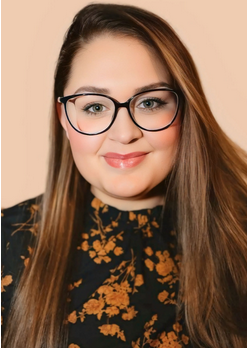 Meghan Etsey is a third year medical student from St. George’s University. She has a Bachelors of Arts in Biology and a Bachelors of Arts in Nutrition and Dietetics from Bluffton University in Bluffton, Ohio. She served as the President of the St. George’s University’s Women in Medicine chapter in St. George, Grenada where she expanded relationships with the community and worked towards educating women and helping the youth. She is also a member of the Gender Equity Task Force and Sex and Gender Health Collaborative Committees within the American Medical Women’s Association. When she is not pursuing medicine, you can find her with her friends and family on different road trips and adventures exploring the world.
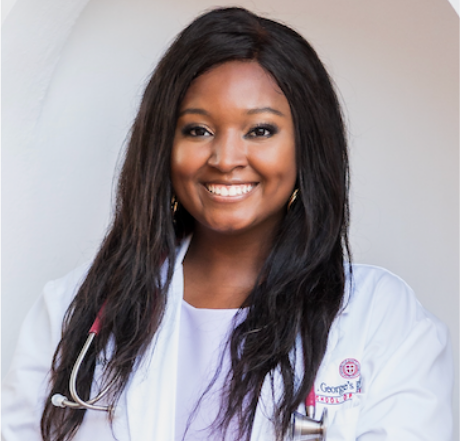 Vashti Price is a third-year medical student at St. George’s University. She holds a Bachelor of Science in Biology from the University of Louisiana at Lafayette, a Master’s in Biological Sciences from Alcorn State University, and a Master’s in Health Sciences from Meharry Medical College. With a strong passion for public health and health equity, Vashti has dedicated much of her time to volunteering with underserved populations, including individuals experiencing homelessness and children in need. Her commitment to service continues through her involvement with the American Medical Women’s Association, where she serves on the Gender Equity Task Force and the Sex & Gender Health Collaborative Committees. Vashti is particularly interested in the intersection of medicine, public health, and community outreach. Outside her academic and clinical pursuits, she enjoys spending time with friends and family, attending festivals, exploring new cities, and winding down with a good Netflix series.
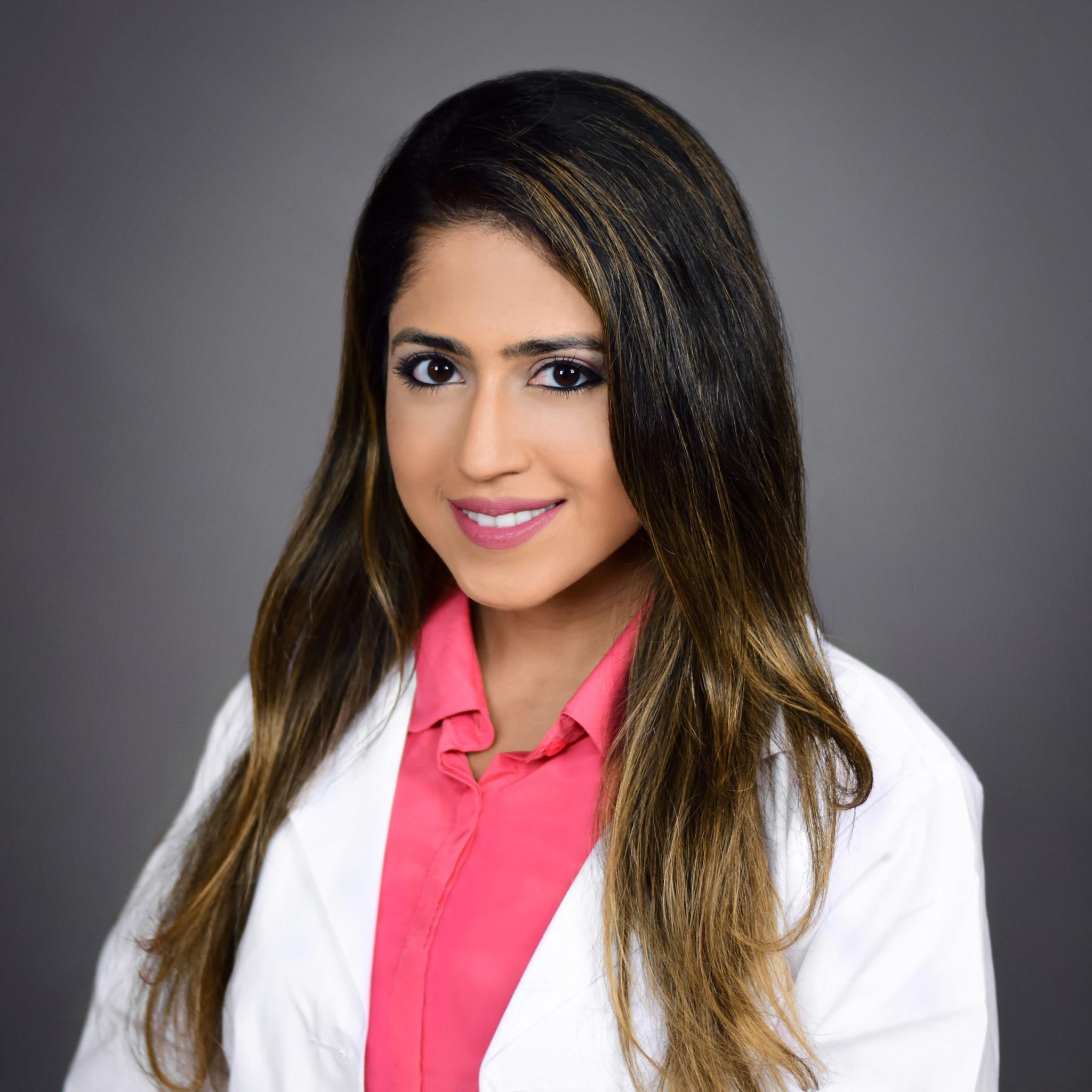 Rosy Thachil, MD, FACC, co-chair of AMWA’s Gender Equity Task Force, is a quadruple board-certified cardiologist, serving as Director of the Cardiac Intensive Care Unit at Elmhurst Hospital Center, and Assistant Professor at Mount Sinai College of Medicine in New York. Dr. Thachil’s clinical interests include critical care cardiology/acute cardiovascular care and health disparities. In addition to addressing cardiovascular disease, she is passionate about advancing womens’ roles in medicine/leadership. She also serves on the American College of Cardiology Critical Care Leadership Council and she is a candidate at Wharton’s executive MBA program (‘25), and holds certificates in physician leadership and bioethics.