
Authors: Meghan Etsey, Kiana Wells , Dr. Grace Gilbert on behalf of AMWA Gender Equity Task Force
“Our Voices, Our Future” is a podcast by the Gender Equity Task Force of the American Medical Women’s Association that explores the challenges, stories, and successes of those working to advance gender equity in medicine. Through candid conversations with changemakers, advocates, and leaders, each episode dives into issues like pay gaps, leadership disparities, and inclusive workplace culture. Tune in to be inspired, informed, and empowered to take action. Full episode listening links are available below the transcription.
Meghan Etsey: Welcome to Our Voices Our Future, the podcast where we amplify the voices driving change and equity within medicine and beyond. Brought to you by the Gender Equity Task Force, a committee of the American Medical Women’s Association. We’re here to challenge norms, break barriers, and ignite conversations that matter.
I’m Meghan Etsey, and in each episode, we’ll bring you candid discussions with leaders, changemakers, and advocates working to create a more inclusive and just world. No more silence, no more waiting. You’re listening to Our Voices Our Future.
Today, we’re welcoming Dr. Grace Gilbert. Dr. Gilbert is a PGY3 orthopedic resident in the Philadelphia area. She began her career as an operating room nurse before earning her MD from St. George University in 2022. Dr. Gilbert is passionate about orthopedic education, health policy, and advocacy work. She also shares widely through her growing social media presence, which is linked in the description below, where she blends medicine, storytelling, and accessible public health education. Thanks for being here, Dr. Gilbert.
Dr. Grace Gilbert: Well, thank you for having me. This is awesome.
Meghan Etsey: So, can you just start by sharing a little bit about your journey into medicine and what drew you into your specialty?
Dr. Grace Gilbert: Yeah. So I’m, you know, what we would call a non-traditional student in that I didn’t really grow up wanting to be a doctor or even interested in health care at all. A lot of my childhood, I wanted to be a teacher, and a lot of people here and there would be like, “Oh, you should be a nurse, blah, blah, blah”. And I’d always be like, “Ugh, that’s gross. I could never do that”.
So when I went to college, I was pretty young. But I started out as a math major. And I wanted to be an algebra teacher. That was my life goal, which would be awesome. Turns out, I’m horrible at calculus. So, that was very quickly changed, and I kind of ended up in nursing because I wanted a stable career, and I wanted to help people. And by that point, I had started being a caregiver for my grandmother. So I knew that it wasn’t so gross and that I could handle it. So I went to nursing school, and kind of junior year of nursing school, you know, I had fallen in love with nursing school, and I had loved the science behind it and all these things.
But I kept on asking questions and being told, “You don’t need to know that”.
Meghan Etsey: Oh, yeah.
Dr. Grace Gilbert: And I was like, “But I want to know”. And they’re like, “No, that’s not going to be on the exam. That’s a doctor’s job”. And they were right, right? It was not going to be at all on the exam. They were just trying to be like, “Listen, you don’t need to know that”. But I was like, “But I’m curious”. And so maybe the 4,000th time that happened, I was like, maybe I want to be a doctor. And so senior year, I started taking all these pre-med rec classes, and then I went and became an operating room nurse, studied for the MCAT, worked for two years, and then went to medical school.
So that’s the short and the long version of how I ended up in medicine. While I was in the operating room as a nurse, I fell in love with orthopedics. And I was like, well, surely by the time I finish medical school, I’ll have talked myself out of that crazy idea. But I didn’t. And so here we are.
Meghan Etsey: Yeah, so that’s a pretty quick transition. I think I didn’t recognize that it was just like two years in nursing, and then you were right back to school.
How did that feel, kind of going like you’re working, making money, and then you go back to school, not making any money anymore. How was that transition back?
Dr. Grace Gilbert: It was good, I think. You know, I didn’t have that traditional college experience, because I was commuted from home and I grew up in a really strict kind of background. And so, actually going to medical school and going to medical school in a different country was really like the college experience for me. It was getting away in a lot of ways. And I think for me, a lot of that was very exciting.
The loss of salary was really tragic, though, like not having a paycheck, not being able to work overtime, like struggling with money. That was hard. That’s still hard because I still make less money now as a doctor than I did as a nurse. So that was an adjustment for sure.
I like school. I know I’m one of those weird nerds who likes school. So it wasn’t so hard to go back. And I was able to, like, during COVID and kind of my fourth year of medical school, I was able to do some travel nursing, which was really fun. I got to kind of go back and remind myself about all my skills and make some money. And I really enjoyed that.
Meghan Etsey: That’s awesome.
So, can you kind of tell us how your experience in residency has been so far, both of the rewarding parts and the challenging parts equally?
Dr. Grace Gilbert: Yeah, so I think you know when I talk to medical students about residency, um, there are a lot of amazing things about residency, but it really is a means to an end for most people, you know. You- residency is not a good time, no matter where you go, no matter what you’re doing, it is really freaking hard.
And I did a prelim year, which I did one year of general surgery in the Midwest in Minnesota. And then I did a second intern year in orthopedics when I made my transition. And I’m now, you know, three years into orthopedics. So kind of seeing and being in two very different programs as well, you can really see that.
The most amazing parts of it is not to be really cheesy, but is the patients like when you have a patient you like cry with or talk to or can make a change in. There’s nothing like that. And working with your colleagues, especially because I do love teaching, you know, like I started wanting to be an algebra teacher, and now I’m teaching like our interns this year and helping them walk through the process.
I think for me it is most rewarding when I teach them something or when they’re having a bad day, and I’m able to talk about my experiences and support them, that makes it all worth it to me, like talking to my patients and through it all.
Like everything about residency, that’s good is people-based. Whether it’s my colleagues or my students, or my patients, everything about residency that’s hard and awful is the healthcare system’s difficulties, the hours, the salary, and the medical hierarchy.
In a surgical specialty, there’s a lot of that. There’s a lot of extra hoops and things to jump through. And, um, also being on the East Coast, I kind of got I’m from the East Coast, but when I was in Minnesota, I got really spoiled. People are really nice.
Meghan Etsey: Yeah!
Dr. Grace Gilbert: And that’s not what I’m used to. But I got used to it real quick. And then I came back to the East Coast, and I was like, this is my people. But also, man, we’re mean. We’re not nice. Even when we’re being nice, we’re very gruff and hard. And I’m a very sensitive soul. So that, you know, that’s always hard as well.
Meghan Etsey: Yeah, so talking about these hoops and the hierarchy and all the things that come with residency,
Can you kind of tell us how this has impacted your mental health, and were there any particular stressors or turning points in this stage of your life that have stood out to you so far?
Dr. Grace Gilbert: Yeah, so mental health has always been a part of my life and a battle. I’ve suffered from anxiety and depression since I was like six years old. Um, I can remember my first panic attack at six years old, even though me and my family had no idea what that was.
And it really wasn’t until medical school, when I was on the island at St. George, when I got therapy for the first time. And then during my clinical years, when I got on Lexapro or SSRI, anti-anxiety, antidepressant medicine for the first time, which both of those things absolutely changed my life.
Like, literally a week into medication, I was like, “Oh, I should have been on this at six years old. This makes a lot of sense”. I also had ADHD, so I’m a little neurospicy or neurodivergent there. And I’m on Ritalin. I like to talk about my medications a lot because I’m really pro treating your symptoms and trying new things.
So all of those things, although when I started residency, I was at a pretty good place in my mental health because I had found therapy and I had found medications through medical school. Thank goodness. It’s still been hard.
My first residency was hard for different reasons than my second. I think my mental health has struggled a lot more in my second for some of the reasons that I mentioned. I think when I did general surgery, it matched a lot of my skill set a little bit better, which general surgery is a lot more general, a lot more whole, you know, holistic and whole body and big picture, and you know those kind of things.
And orthopedic is very focused and very detail oriented and that just goes against my personality so i have to work a lot harder to be that person and i think i make it a lot more holistic and i have a bigger picture i think that’s good but it- I still struggle to push on that other side and be exactly who I need to be as that type of clinician.
And the hours are definitely longer, and the support is different. It’s a lot more independence, a lot less teamwork-based things. And this is all comparable, right? Like, you compare it to another specialty, and maybe my specialty or this hospital has way more teamwork and everything. But those are just some changes for me that really made it hard.
You know, clashes with people or different seniors or whatever, those things be like I started having a lot of panic attacks. In my second intern year, I started orthopedics, which I hadn’t had for years, and so that was a struggle because I kind of entered.
My second intern year being like, oh, I’ve already done an intern year. The second one will be easy. Like I’ve already learned Epic. I’ve already learned the EMR. Like I’m going to do great. Like, this is going to be awesome, all I’m going to have to worry about is brushing up on my orthopedic knowledge, and boy, was I wrong in every way, shape, and form, so much harder.
My mental health took a drastic dip. My anxiety became horrific. Um, and I’m kind of slowly climbing back up from that. Um, you know, reestablishing therapy, reestablishing medication, and care in the new city and all of those things. And I think we’re on a better side now, but I really, really struggled with that first year, and I thought about quitting a lot.
So I know that there’s medical students and residents who feel the same way, and people who do. And I think I just want everybody to know that you’re not alone. Residency sucks. It’s supposed to suck, unfortunately. And it’s a means to an end. You do it for the people. And for kind of the goal at the end of the tunnel.
Meghan Etsey: Very fair.
So a little more broad than talking about you, what would you say more unique challenges, mental health-wise wise for women in medicine that there are compared to their male colleagues? I mean, and I think I can fairly say, especially in surgery, I think you’re in a great spot to talk about this. But yeah, what’s your kind of perspective on that?
Dr. Grace Gilbert: Yeah, especially as an orthopedic. Like, I’m lucky we have a couple girls in my program, but I often interact with other female orthopedic residents who are like, Oh my God, I don’t have any women in my program. It must be so nice to have a woman to talk to.
And it’s true. The relationship I have with my other female residents and my female attendings is drastically different than the men. Like, there is a different emotional awareness, emotional intelligence, and there are men who are much more that way, who I can talk about those things with. I don’t want to exclude all men from that conversation.
But there is just a comfort level and a different dialogue that happens with most women, that I’m really lucky to have amazing females in my group. And we’re all at different levels, but we all still connect in like a very similar way. So it’s hard. It’s hard being one of the only girls. It’s hard being one of the only women. It’s hard having people make comments about that, no matter where you go. It’s hard always having to clarify that you’re not the nurse, which, for me, I was also a nurse, so no shade to nurses.
And I still have my nursing degree, so I am still a nurse. I still have my license, although I don’t use it. So when people are like, Are you the nurse? And I’m like. Well, not your nurse. I’m a nurse. I’m the doctor. I’m your doctor. And I don’t usually explain all that to the patients. I usually just like, if someone’s asking for water, sure, I’m the nurse. If someone’s saying they want a clarification on their surgery, I will clarify that I’m the doctor, you know, just kind of situation-specific.
But we know that across the board in medicine. We have higher suicide rates, higher depression rates, higher rates of alcoholism, and even some more like other drug use. We also know that women out proportionally have issues with those things and are treated differently, are paid less, et cetera, et cetera.
Unfortunately, in my first residency, although I wasn’t close with the people, I had two colleagues who worked in the hospital who attempted suicide, one of them successful the first year. And, you know, they were in different specialties, but it was close to where you were experiencing it. And you saw it, and you heard about it. And that’s hard. Even not being close to those people or not being personally affected, like professionally, you’re just aware of how hard this can be, even at a great institution, even somewhere that recognizes duty hours.
You know, when we talk about mental health and wellness in residency, it’s not because we want to be like more butterflies and rainbows. It’s because people die. This isn’t a little deal. This isn’t people being weak and just wanting to work less. People literally die. People say,” This is so hard. It is incompatible with life”.
And obviously, those things don’t happen without some sort of mental health issues, but we have to focus on those things. So, to the people out there, like one of the things that I’ve done is I’ve really fought for change in my own program and been able to make some changes that are better for our hours and for our wellness. And I could have probably made less waves by just dealing with the things as they were. And when I came in, I decided that I wasn’t going to do that. I was willing to make waves to make things safer and better for people. And I’m really happy with that because now I’m seeing my younger interns kind of see the benefits of that, and still struggle, and still it’s hard. And I’m able to say like, I’m glad we changed this. I’m glad we changed that.
But fight for change in your program. Don’t sit idly while you’re struggling. Find people you can trust. Find people you can talk to. If there’s nobody there, you can talk to. Reach out to the internet.
You know, like TikTok, I found so many great friends through TikTok of people and similar experiences. I’m meeting you today, which is really nice. I think you can always find somebody who’s going through the same thing you are. You don’t have to be alone with the age of technology. So if your hospital doesn’t have somebody you connect with, reach out. You can reach out to me. You can follow me. If you’re struggling, reach out to me. I will talk to you. Because this is hard. It’s not something easy. And doing it alone is, I would say, impossible.
Meghan Etsey: So I’m going to blend the next two questions together, because you’ve kind of hit on them. But I think they kind of go together.
So, have you found some kind of mentorship, peer support, or any resources that have helped you? And have you felt kind of the culture of medicine evolve any to support residents? Or where do you still see those bigger gaps that exist?
Dr. Grace Gilbert: Yeah, I think it’s a process. I think orthopedics is especially a little behind on all of that. And I think they would tell you that too. You know, that’s I think it has been such an isolated part of medicine for so long, and it is the least diverse part of medicine in so many, so many ways. And so the patterns tend to perpetuate for a little bit longer. And some of this diversity breaking in, even having women or people of color or people whose physic- aren’t third-generation orthopedic surgeons come in, kind of shakes things up a little bit. And so I think that we see. A lot of that, but through it, I’ve, yes, I have found mentors. I have amazing female attendings who really invest in me and the other girls. And that’s really special.
You know, I think that’s part of the important reason diversity is important. Like, yes, the male attendings invest in us, but it’s not the same. And not that they couldn’t, but they just don’t know. How to invest us in us in the same way that those female attendings who have been to the exact same experiences of us do and I have an amazing female attending who has given us books on confidence and has sat down and talked to us about how to handle the complex situations and not just teaching us orthopedics but teaching us how to navigate medicine as a woman and the extra jumps that that takes and being very intentional with that.
I think that’s something that women really strive at is we’re very intentional. We’re very good at planning and being intentional with fixing problems and helping in situations, and helping people. And that’s what I’ve noticed about the people who really invested in me. And my program director, who is not a female, has also really spent the time to talk to me about my mental health, and I think at one point I was struggling and I mentioned my ADHD with- to him just kind of like casually and He followed up on that and he’s like “I want you to tell me about your ADHD. What does it make it harder to do? What does it make it easier to do?” Like “show me,” and he even was willing to do like the ADHD self-assessment like myself
I think all of those things are really special, like if you care about me, if you invest enough in me to learn about things that you don’t know about to teach me, like that’s exceptional. That’s wonderful. And those things motivate you at your core to work harder and be better. If someone’s willing to invest in you, you want to invest back into them.
Does that kind of answer the question? Did I go off too off tangent?
Meghan Etsey: No, I think it was great. I think it was great.
So kind of like the conversation we’re having right now, like what role do you think these open conversations about mental health play kind of in reducing the stigma in the medical practice and training?
Dr. Grace Gilbert: I think it’s essential. Every important conversation I have had with those mentors is because I opened up about struggling. It’s because I opened up about my mental health. Because they can’t help if they don’t know what’s going on. And a lot of people are uncomfortable going, you know, “it seems like you’re struggling. Are you depressed?” And you’re like,” No, I’m not depressed”. Like, “yeah, you are. Yes, you are. You are sad. You are depressed. You are struggling”.
Like, you’re not being lazy. It’s not that you’re not trying, or maybe you’re not. But maybe you have a reason, you know, and I think the more I am open about myself, so many other people have begun being open with me and with them because of it, right? When I was trying to enact some of the changes about some of the things that were really hard, like our hardest shifts or our longest shifts, I reached out to like every resident and was like, “How was your mental health during this time or situation when you were doing this?” And I was able to present that to my program director. And none of those people had ever been asked that question. And none of those people had ever discussed it. Most of them said, “Oh, I didn’t tell anybody”. “Oh, I wasn’t telling anybody”. And some of those people even admitted to having suicidal ideations and things during that time, or really severe depression or really severe anxiety.
And so like, me being so open to that with them when I was going through those experiences I told them what I was struggling with and Asking them like we all started dialogue and then I was able to use that and make an actual physical change in my program that My administration was really happy to do because I had a plan and I had the data to support it and we just changed it right?
Now, if you don’t have a supportive, you know program director and administration, you are going to struggle a lot more. But if I had just come and said, “This is hard, I don’t like it”, that would have been the end of the conversation, right? But I talked with people, I had a plan, and we’ll see if all those changes help, but I think that they are, and I’m seeing that with some of the interns. So it’s essential. You do not make change without communication, and people can’t help you if they don’t know what’s going on.
Meghan Etsey: Very fair. I think that’s super encouraging just to know that you were able to take like this data from your residence and have change made because I think that’s the issue with a lot of people, is they don’t realize that there can actually be fruit from it.
You know, a lot of people are like, I’m not going to say anything. Nothing’s going to change anyway, but then just have the conversation.
Dr. Grace Gilbert: Yeah. And like I said, I made a lot of waves and made a lot of people unhappy with what I was doing because it made some things more complicated, and like, there were consequences for what I was doing. It was not all easy.
And a lot of times when I have new interns, and they’re struggling with something, I kind of always present them with two choices. And I say, “Listen, if you want to go with the flow, that’s your choice. Like, if it brings you more anxiety and stress to try and fight this and change it, that’s fine. I’m not saying you need to do that. Like you need to do what’s right for you”.
And some people will choose that road. And some people will say, “I don’t care how hard this is for me. I need to make this better”. And it’s fine, whichever one you choose, but just know that if you choose that harder road, it is literally going to be harder.
It is going to suck, but there may be some benefit on the end for a lot of people. And you have to do what’s right for you and your mental health and your career. But just because people are frustrated or upset or their waves does not mean you’re doing the wrong thing. You have to know your values. You have to know what’s worth it. And you have to fight for what you believe in. And that’s a lot of what my social media is about, and a lot of what I talk about is, you know, standing up for what you believe in, no matter what.
Meghan Etsey: Very fair.
What advice would you, other than that, give to all students or residents, particularly women, who may be struggling with these pressures that we go through during training?
Dr. Grace Gilbert: I think, you know, this is probably the most obvious thing ever, and we don’t have a lot of time for it, but I don’t know what I do without therapy.
I’m also lucky enough that I’ve also had some career coaching, which a lot of people don’t know about, but it’s basically just like therapy for your job, where they talk about where we talk about like, I’m struggling with this part of my job and these social communications and this person and like, how do I navigate that and how do I talk about this? And it’s really, really helpful.
Not everybody has access to that. Not everybody has access to therapy. But medication, if you haven’t tried medication and you’re struggling, I have so many friends who I talked into trying medication, and it didn’t work. I talked them into trying medication again, and it didn’t work. And I talked into trying medication a third time, and it has changed their life. And it doesn’t work for everybody, right? And you’re not always going to find the right thing, but it has made such a. I cannot even describe the difference it has made in my life.
I think those are some very tangible things that you have to do on your side that have nothing to do with residency, but just have to do with you. Maybe you didn’t struggle with anxiety and depression since you were six years old, like I was, right? Maybe yours is more adjustment disorder or situational, but that doesn’t mean it’s not real. It doesn’t mean that other interventions can’t help with it.
I think finding a support system is essential. And I think, you know, teaching yourself about imposter syndrome, learning that no one has it figured out, learning that everyone is faking it, and not comparing yourself to other people. All of these things are things you hear, but doing them is really, really hard. Like really, really, really hard.
So, however you learn best, if you’re in residency or in medical school, you know at this point how you learn best. Is it by listening to podcasts like this? Is it audio? Is it reading books about it? Is it through communication? Do you learn best with a therapist or with studying with a partner? However you learn best, you have to think about your mental health as a skill. It doesn’t just get better. You have to study it. You have to learn about yourself.
Again, when you’re working 90 hours a week, it’s kind of hard to do that. But if you’re working 90 hours a week, you’re not going to survive however many years of that. If you can’t figure it out. And so take your wellness days, take your vacation, do those things, and try and take care of yourself as best you can.
Do not turn to alcohol. Do not turn to my big one, is food binging. That’s how I deal with a lot of my stress. And all of the other maladaptive behaviors like that people do, especially in medicine, like you have to find a way to recharge and reset.
For me I have a lot of rules. I’ll share a couple of my rules with you. So one of the rules is if I’m at the hospital later than 11 p.m., I don’t go home. I sleep in the call room because I can get like two hours extra sleep if I don’t go home. And for me, that makes a huge difference on my mental health, and it’s a little bit safer. So when I was on call a lot and wouldn’t get done until late, I would just stay in the hospital.
Another rule I have is if I fall asleep at my desk, I’m not allowed to drive home until I take a nap because it’s literally unsafe. But that is a rule I have that protects myself. So a lot of rules like that protect yourself and protect your mental health and your sleep and your personhood. You’re like literally being alive and not crashing and dying, I think, can help because you have such decision fatigue, and you’re so exhausted that making some of those choices can be really hard.
Sorry, my dogs are listening in. They’re big fans of the show.
Meghan Etsey: Oh, that’s awesome.
So, as you think about your own future in medicine, how do you hope to carry forward what you’ve learned about supporting yourself and others in their mental health journey?
Dr. Grace Gilbert: It’s a hard question. I think I’m a big dreamer. And so I’m like, oh, I just want to change the world. I just want to change health care policy. And I want to get the duty hours reduced. And I want to do everything.
I don’t know how the grand scheme of things will be, but I do want to be a program director. And I do want to work on, um, the mental health of my students.
One of the things that my PD does is he talks to us a lot about values, and he even takes every year one of our education blocks and just sits down and talks to us about our values and how to like apply that to our life and how to be like a good person. And I think that’s really inspiring that you know we have all this time devoted to education, and a lot of people don’t educate us on things other than textbooks. And so I want to focus on that.
I want to continue using my TikTok to, you know, bring change and talk to people and advocate for people. I don’t know, honestly, all the things I want to do, because a lot of this is still relatively new. You know, I’ve only been TikToking and sharing my story since June. And I’ve kind of been really lucky in that I’ve hit some virality with it, but I think that that was something that I was just like, let me just try this. And it exploded. And now I have this new path.
So I know that what I plan is probably not going to happen. What I planned was to be an algebra teacher and not an orthopedic surgeon. What I planned was to maybe make some money on TikTok, not to be on multiple podcasts and interviewed by people, and be advocating for mental health.
But I think when your values are aligned, and my values are to help people, both in medicine and patients, and my values is to be authentic about my mental health. And when you are authentic to that, everything you touch is going to explode with that. Everything that you try and do, you’re going to incorporate that.
So when I’m teaching my medical students or my residents, my interns, not just teaching them orthopedics, I’m teaching them those values. I’m making TikToks. I’m teaching those values. So whatever it is that you are passionate about, if you insist on bringing that to everything you do, it is going to make a change, and it is going to be impactful. And I have no idea how that is going to turn out over the next 10 years, but I’m excited that it is going to turn out. I know that it is going to make a difference because I’m not going to let it not.
Meghan Etsey: I love it. Yeah, that’s great. Thank you so much for your advice and this talk today. It’s been amazing.
Dr. Grace Gilbert: Yeah. I’m happy to talk about it, and ya know, people can absolutely reach out to me. People reach out to me all the time when they’re struggling. And honestly, it’s nice for me too to hear other people struggling.
It’s hard. It does get easier, but it’s really hard. And I’m sure being an attending is also hard. I’m sure being a medical student was also hard. I’m sure being a nursing student was also hard. Our lives are hard, and we’re choosing a more difficult path. So if you’re struggling, it’s because you chose something really, really hard. You’re not doing anything wrong. You are struggling because it is hard. And that’s a very reasonable response.
Meghan Etsey: Yeah, it’s a great way to look at it. I love it.
So that’s a wrap on this episode of Our Voice is Our Future. We hope today’s conversation inspired you, challenged you, and reminded you of the power of raising your voice. The fight for equity doesn’t stop here. Join us in the movement. Subscribe wherever you get your podcasts, and if you love this episode, share it with someone who needs to hear it. Until next time, stay bold, stay vocal, and keep the conversation going. This is Our Voices, Our Future.
Links to our podcast:
RSS https://rss.com/podcasts/our-voices-our-future/
Apple Podcast https://podcasts.apple.com/podcast/id1805991643
Spotify https://open.spotify.com/show/5E59jvuFQOjSXfLrjQiy0P
Podcast Index https://podcastindex.org/podcast/7278557
Fountain https://fountain.fm/show/7278557
True Fans https://truefans.fm/82727577-2b37-5929-aa2e-1574d478b177
About the Authors
Meghan Etsey, MS4
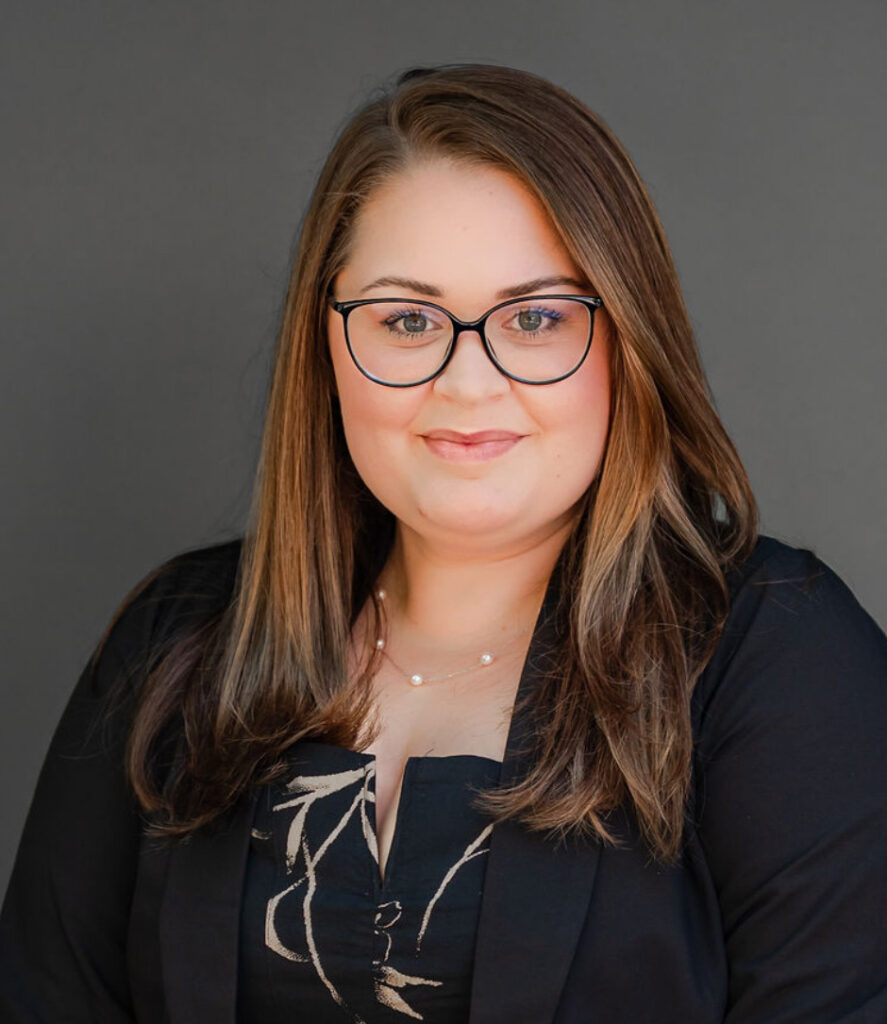
Meghan Etsey is a fourth year medical student from St. George’s University. She has a Bachelor of Arts in Biology and a Bachelor of Arts in Nutrition and Dietetics from Bluffton University in Bluffton, Ohio. She served as the President of the St. George’s University’s Women in Medicine chapter in St. George, Grenada, where she expanded relationships with the community and worked towards educating women and helping the youth. She is also a member of the Gender Equity Task Force and Sex and Gender Health Collaborative Committees within the American Medical Women’s Association. When she is not pursuing medicine, you can find her with her friends and family on different road trips and adventures exploring the world.
Kiana Wells, MS, MS3
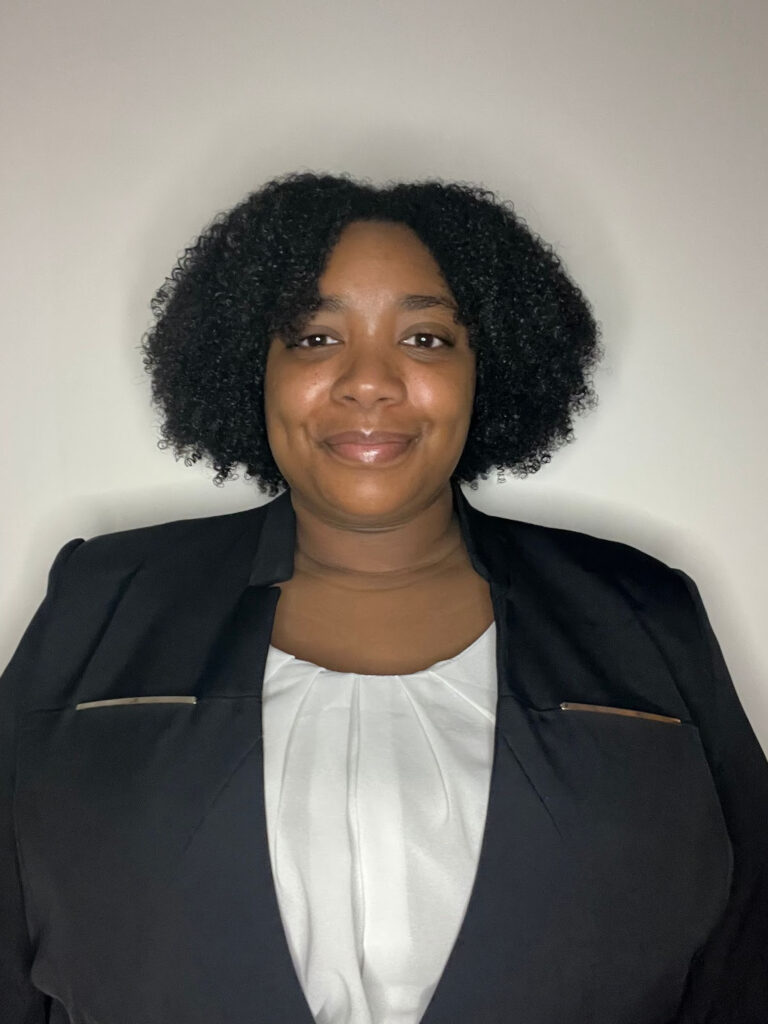
Kiana Wells is a third-year medical student from St. George’s University. She holds a Bachelor of Arts in Independent Studies with a focus on Neuroscience from Berea College in Berea, Kentucky. As well as a Master of Science in Medical Sciences from Ponce Health Sciences University in St. Louis, Missouri. She served as the Vice President of Pink Run in the St. George’s University Women in Medicine chapter in St. George, Grenada, where she expanded relationships with the community and worked towards fundraising money for women to receive screenings and treatment for breast cancer. She was also a member of the St. George’s University Cheerleading team, supporting fellow colleagues in their love for movement and teamwork. Beyond medicine, she is passionate about providing resources to underserved communities, with projects such as Lasagna Love. She also enjoys taking a Pilates class, weightlifting, or watching a comfort show for the 100th time.