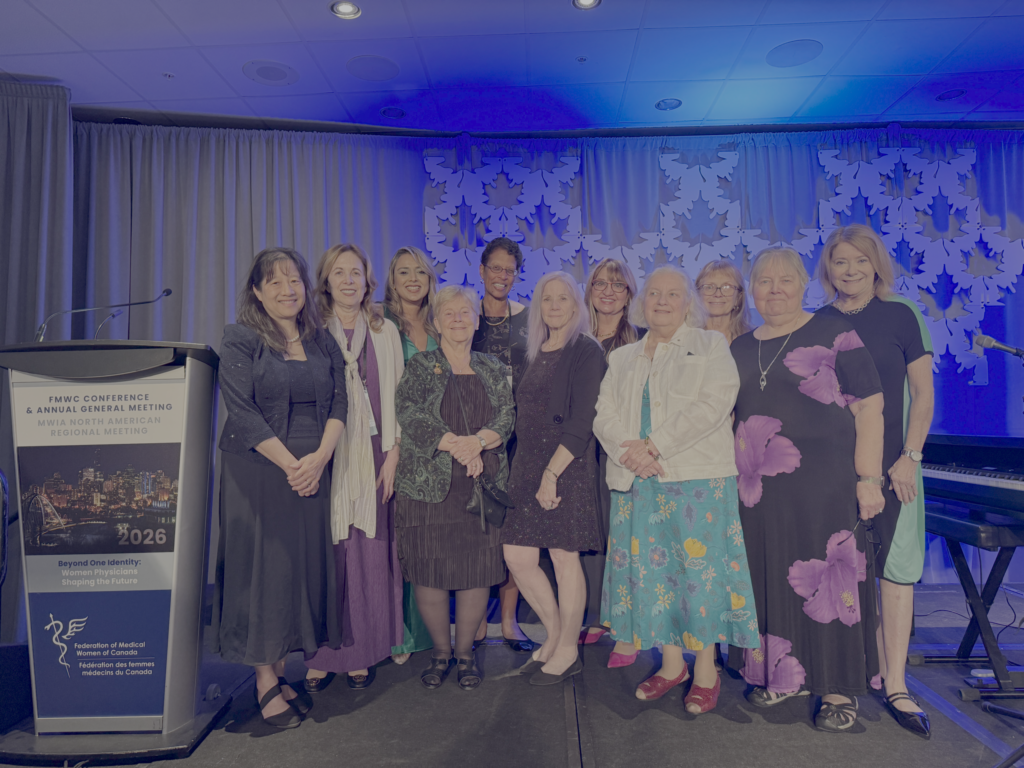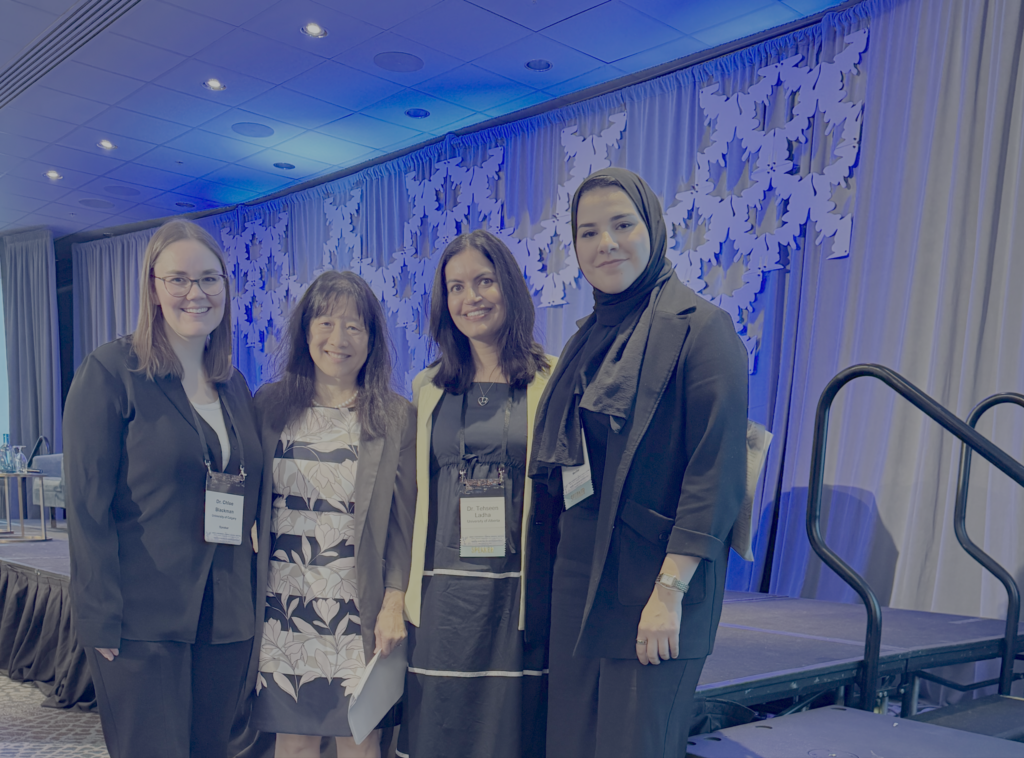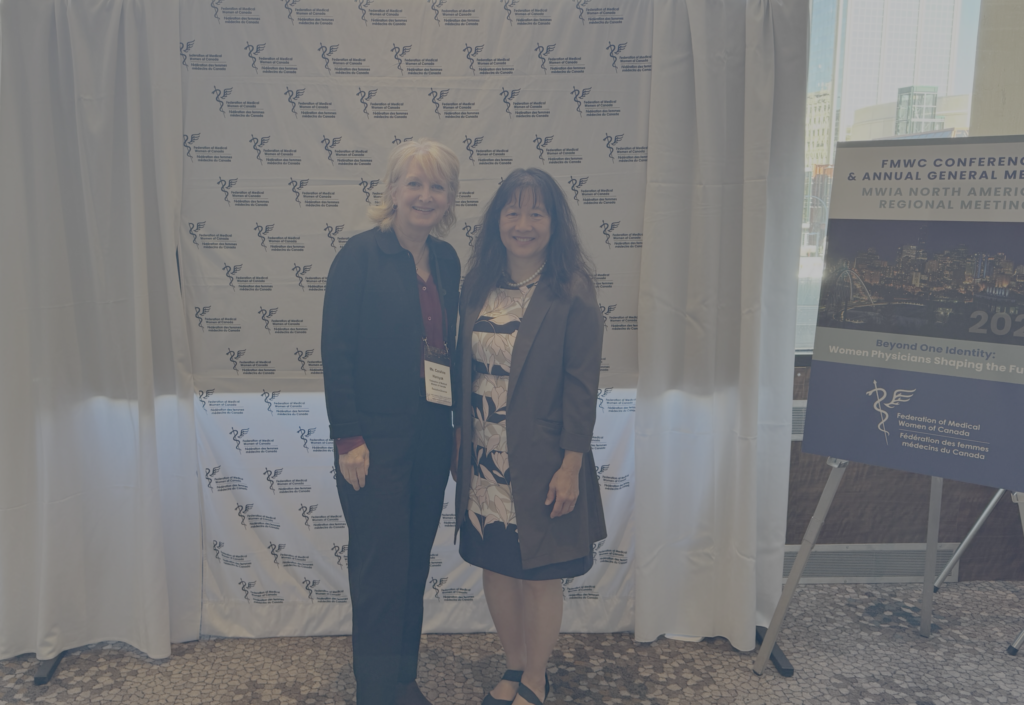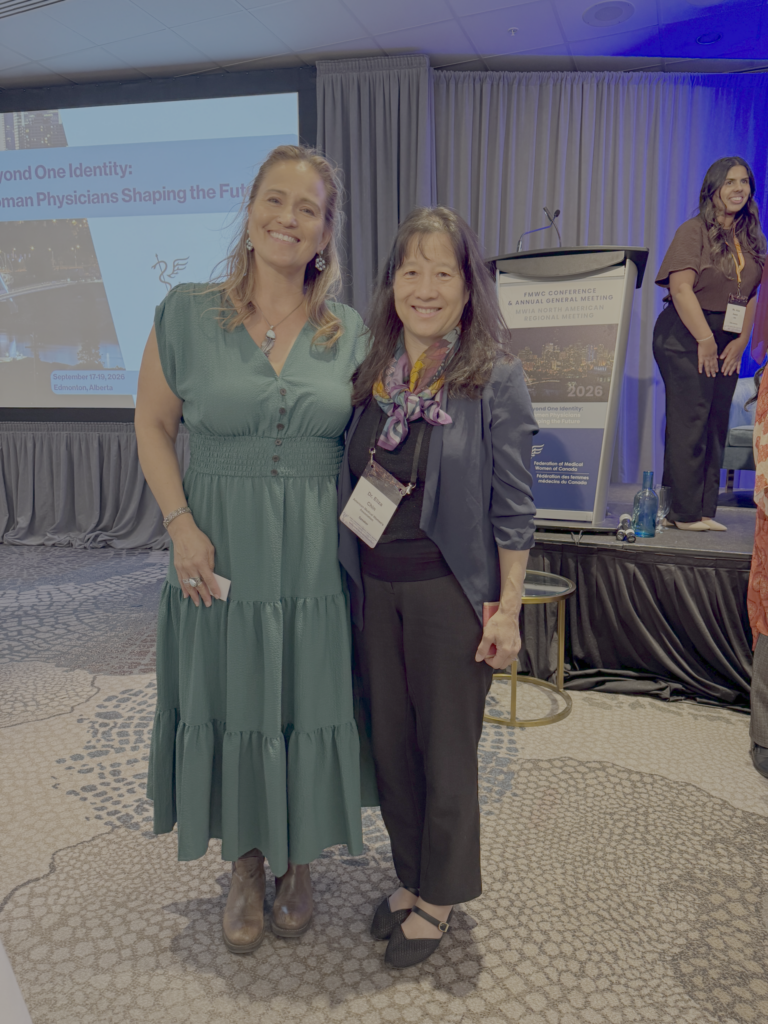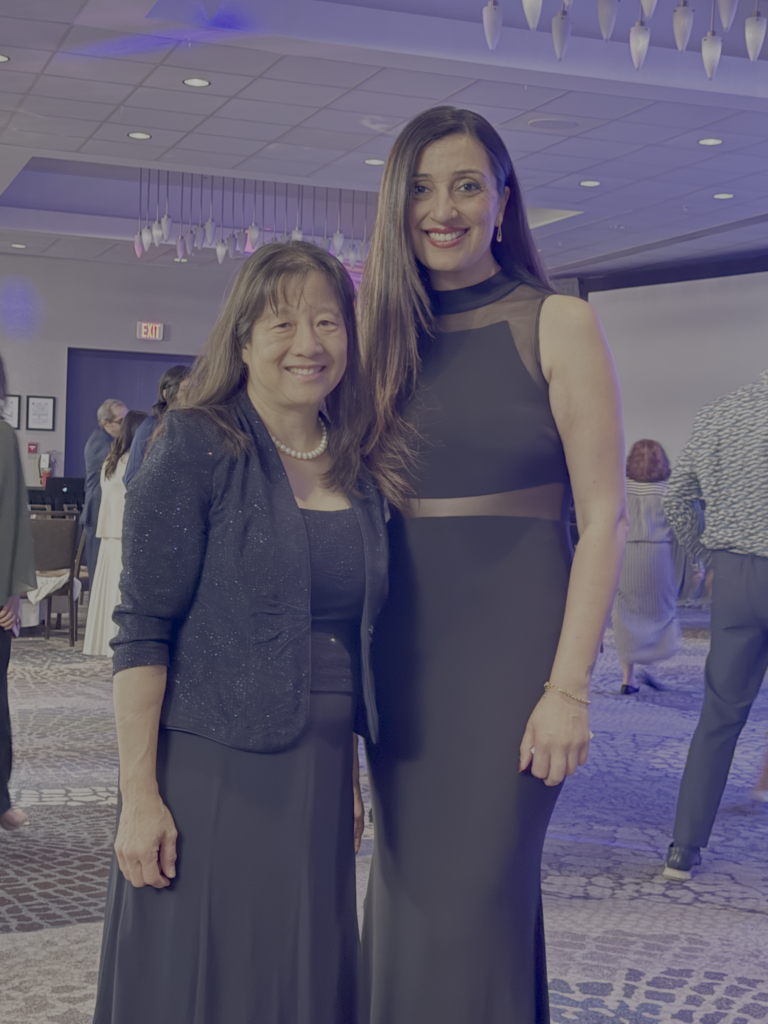
The North American Regional Congress of the Medical Women’s International Association (MWIA) was held September 17–19 in Edmonton, Canada, in conjunction with the Federation of Medical Women of Canada (FMWC) Annual Conference.
FMWC, a sister organization to AMWA, was founded in 1924, just nine years after AMWA. Both organizations share more than a century of history and a legacy shaped by generations of pioneering women physicians who have worked to advance women in medicine and improve health.
The theme of this year’s meeting, “Beyond One Identity: Women Physicians Shaping the Future,” reflected the many roles women physicians hold and the perspectives those experiences bring to medicine, leadership, advocacy, and patient care.
Beyond One Identity
Incoming FMWC President Dr. Seema Marwaha opened the meeting by reflecting on the many identities she had carried during the past year—as a physician, mother, wife, journalist, advocate, and daughter. Her reflections on caring for her father were particularly moving and underscored one of the central themes of the meeting: women physicians are never defined by a single identity. Moving among multiple professional and personal roles can bring a breadth of experience, empathy, and perspective that strengthens both medicine and leadership.
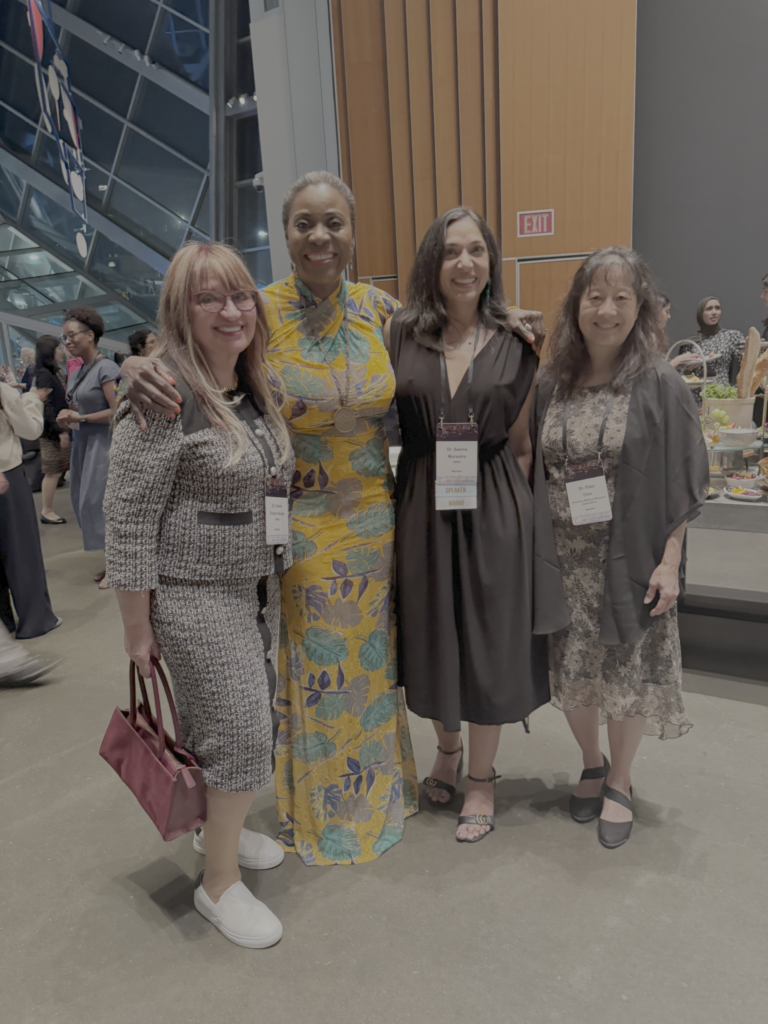
The meeting was preceded by a welcome reception at the Art Gallery of Alberta, where attendees explored the galleries, participated in watercolor painting, connected with colleagues, and browsed handcrafted works from local artists.
Conversations That Matter
Six plenary sessions addressed issues ranging from leadership and advocacy to bias in healthcare, medical culture, storytelling, disinformation, and clinical practice.
“Beyond the Glass Ceiling: Reflections from Women Physician Leaders” brought together leaders in academic medicine and professional organizations to reflect on their leadership journeys and the opportunities and challenges facing women physicians.
“Rebel with a Cause: Advocacy in Action” focused on the many ways physicians can use their expertise and voices to advocate for patients, communities, and change within medicine.
The plenary “Bias at the Bedside: Who Gets Heard and Who Gets Healed” examined how bias can influence whose concerns are heard, whose experiences are believed, and ultimately the care patients receive.
Another timely session, “Influence, Storytelling and Disinformation: Who Shapes the Narrative in Healthcare?”, explored the role of physicians and other health professionals in communicating science and trusted health information in an increasingly complex information environment.
In the fifth plenary “Old Wounds, New Generation,”AMWA Executive Director and MWIA Treasurer Dr. Eliza Chin introduced a screening of the documentary 1001 Cuts, which explores gender bias through the experiences of women in surgery. A panel discussion following the film examined the culture of medicine, the accumulated effects of bias and exclusion, and change which needs to happen to pave the way for the next generation.
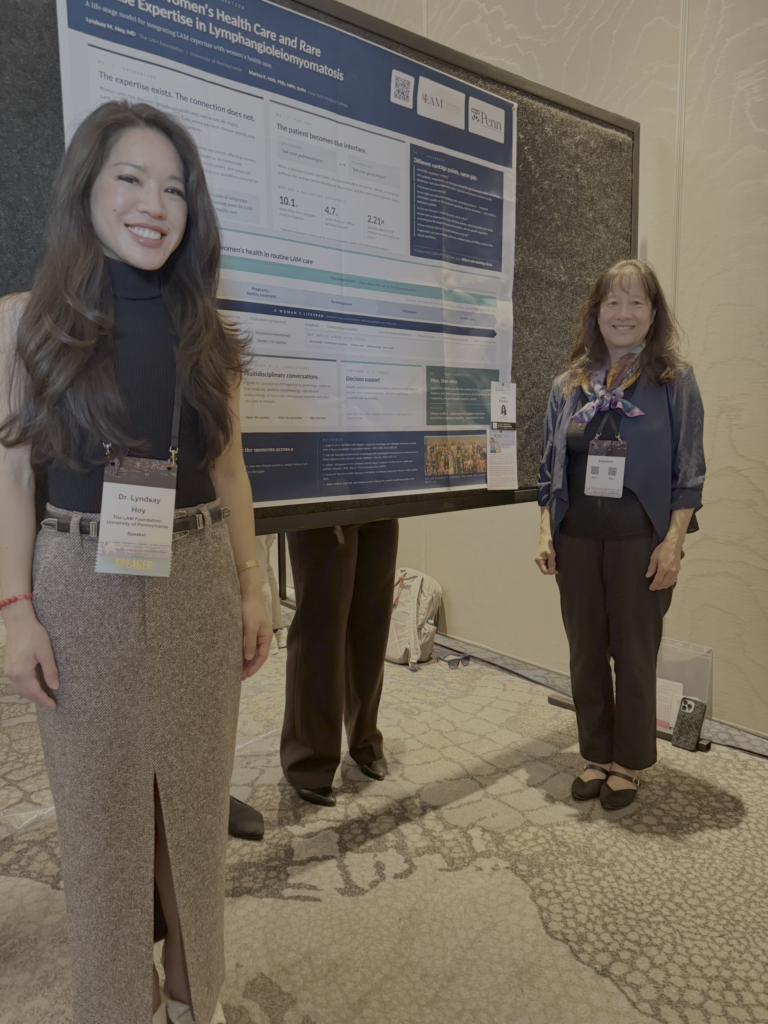
The final plenary “Rapid Fire: Practice-Changing Pearls” highlighted various health topics and featured AMWA Past President and MWIA UN Representative Dr. Connie Newman and AMWA’s Women in Rare Disease Lead, Dr. Lyndsay Hoy.
MWIA Leadership in Action
Many other MWIA, FMWC, and AMWA leaders and representatives participated throughout the meeting.
Dr. Ramneek Dosanjh, MWIA Vice President for North America
Dr. Bev Johnson, MWIA UN representative
Dr. Karen Poirier-Brode, Studio AMWA Chair
The meeting also marked the conclusion of the presidency of Dr. Modupe Tunde-Byass and the inauguration of Dr. Seema Marwaha as President of FMWC, beginning a new chapter in the organization’s century-long history.
Stories of Resilience and Possibility
The conference opened with a powerful keynote from physician author Dr. Samra Zafar, who shared her personal journey from being forced into marriage to pursuing education and building a new life and career. Her story explored resilience, identity, and the ability to redefine one’s future.
The conference concluded with a keynote from Dr. Alika Lafontaine, author and past president of the Canadian Medical Association.
Across the meeting, the theme “Beyond One Identity” served as a reminder that women physicians bring many identities, experiences, and perspectives to their work. At the same time, gatherings such as the FMWC Annual Conference and MWIA North American Regional Congress demonstrate the strength that comes from connecting across countries, specialties, generations, and career stages.
More than a century after women physicians began building organizations such as FMWC, MWIA, and AMWA, these connections continue to provide an important platform for community, collaboration, leadership, and collective action.