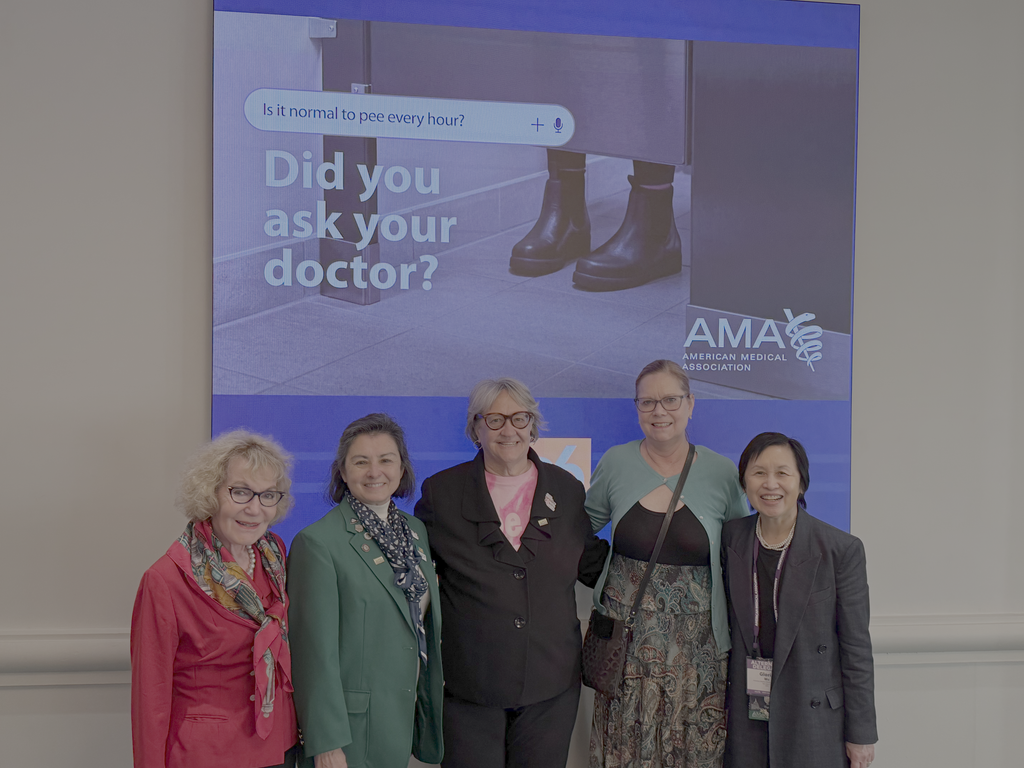
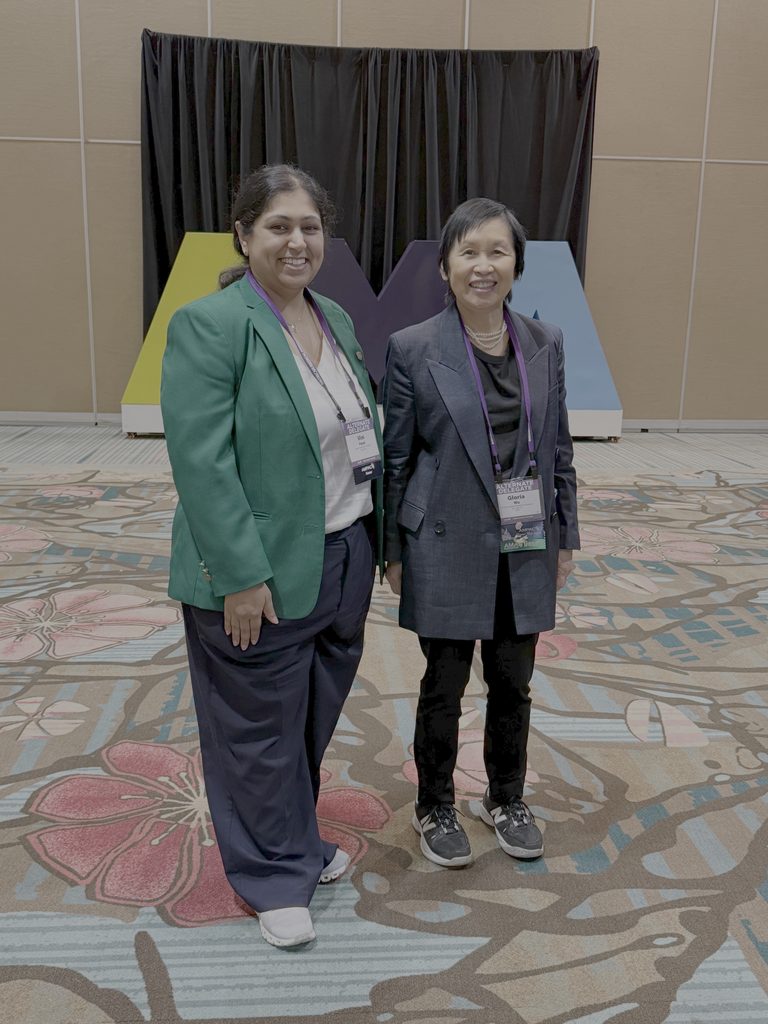
The American Medical Women’s Association (AMWA) maintained a powerful and influential presence at the American Medical Association (AMA) 2026 Interim Meeting, held November 5-10, 2026 in Orlando, Florida. Through dedicated leadership, strategic caucus participation, and collaborative policymaking, our delegation successfully championed issues critical to women physicians, healthcare equity, and professional sustainability.
AMWA’s delegation included:
Dr. Roberta Gebhard – AMWA Delegate
Dr. Theresa Rohr-Kirchgraber – AMWA Alternate Delegate
Dr. Gloria Wu – AMWA Alternate Delegate
Dr. Medha Reddy – AMWA Resident Representative
Shannon Reynolds – AMWA Medical Student Representative
Together, our delegates ensured a robust AMWA footprint across major forums and caucuses, including active participation in:
House of Delegates Sessions
Reference Committees – Reference Committees B and F
Caucus Meetings – Mobility, Medical Students, Residents, Georgia Delegation, Southeastern Delegation, and more
AMA Women Physicians Section Meetings and various CME educational offerings
By networking with physicians from across the country and with local state organizations, our delegates and representative worked to promote AMWA and the work that is done to support women physicians.
AMWA holds a permanent position within the AMA Women Physicians Section (WPS) Governing Council and AMWA’s representative, Dr. Tiffany Bell-Washington, currently serves as Chair of this section. Below is a synopsis of the AMA Women Physicians Section Report submitted by Dr. Tiffani Bell-Washington.
The WPS meetings provided powerful opportunities to advance leadership development, policy advocacy, and cross-section partnership:
1. Advancing Advocacy via Resolution 808: The WPS authored and championed Resolution 808 (Increasing Payment for Patient Portal Messages), highlighting the growing administrative burden of electronic patient communication and the critical need to fairly recognize physicians’ time. AMWA Delegates Actively Supported
2. Inclusive Leadership & Sponsorship: Partnering with the Residents and Fellows Section (RFS) and the Underrepresented in Medicine Advocacy Section (UMAS), the WPS co-hosted a vital educational session: “Who Speaks for You When You’re Not in the Room? Sponsorship, Allyship, and Building Inclusive Physician Leadership,” featuring expert insights from Dr. Tom Cooney, Dr. Michael Knight, and Dr. Warren Ng.
3. Professional Well-Being: The WPS GRROWL Committee hosted a leadership development workshop utilizing the Eisenhower Matrix to help members manage competing professional demands and foster sustainable, balanced careers. AMWA Delegates Attended
4. Coalition Building: Leadership engaged in critical governance discussions, AMA Foundation updates, and ongoing advocacy coordination—including communication with the AMA Board of Trustees supporting the AMA LGBTQ+ Section.
Looking Ahead: Future AMA–AMWA Collaboration
Building upon the momentum in Orlando, AMWA remains committed to expanding our impact moving into 2027. Key focus areas moving forward include:
-Expanding strategic mentorship and sponsorship networks for women physicians.
-Elevating representation for women in academic, clinical, and organizational leadership.
-Championing physician well-being, burnout prevention, and sustainable practice models.
-Partnering on high-impact policy initiatives affecting women physicians and their patients.
Many resolutions were passed during the AMA House of Delegates sessions. Here are some of the key resolutions that are relevant to AMWA’s work:
Women’s Health:
– Closing the Women’s Health Research Gap — Resolution 914-I-26 (Rec for adoption in lieu of) Calls for federal legislation and sustained efforts to address disparities in women’s health research, including stronger research investment and attention to women’s health needs.
– Protecting Family Planning Services — Resolution 934-I-26 (Adopted) Supports protecting evidence-based family planning services in Title X-funded programs, particularly for patients facing financial and other barriers to reproductive healthcare.
– Menstrual Products for Hospitalized Patients — Resolution 906-I-26 (Adopted) Calls for menstrual hygiene products to be available without charge to hospitalized patients who menstruate.
– Equitable Clinical Trial Participation — Resolution 922-I-26 (Listed for adoption) Addresses financial and tax-related barriers that may prevent patients from participating in clinical research, relevant to improving representation in women’s health studies.
AI and Medicine:
– AI in Medical Education — Resolution 302-I-26 (Adopted as amended) Supports transparency about the use of generative AI in medical education assessments, along with meaningful human review in developing and evaluating examinations and learner performance.
– AI Prescriptive Authority — Resolution 201-I-26. (Rec amended) Addresses the appropriate boundaries of AI in prescribing and reinforces physician responsibility for clinical decisions.
– Physician Oversight of AI — Resolution 210-I-26 (Existing policy reaffirmed in lieu) Seeks physician oversight of AI tools used in healthcare, emphasizing professional accountability and patient safety.
Gun Violence Prevention:
– Firearm Manufacturer Financial Accountability — Resolution 218-I-26 (Rec for reaffirmation in lieu of) Supports legislative and regulatory approaches to hold firearm manufacturers financially accountable for harms associated with gun violence, with funding directed toward prevention and affected communities.
Patient Access to Medications:
– Nonmedical Switching of Prescription Drugs — Council on Medical Service Report 3-I-26 (Adopted) Strengthens protections against insurers and pharmacy benefit managers changing a patient’s medication for nonclinical reasons, including continuity of coverage during appeals.
International Medical Graduates:
– IMG Examination Fee Parity — Resolution 306-I-26 (Adopted as amended) Advocates for reducing financial barriers for international medical graduates, including geographic surcharges for USMLE examinations, and supports transparent, standardized fee structures for international test-takers.
– International Physician Clinical Training — Resolution 208-I-26 (Adopted as amended) Supports federal regulatory changes to facilitate short-term supervised clinical training in U.S. institutions for qualified international physicians, with appropriate safeguards and oversight.
– IMG Advocacy and Education — Resolution 222-I-26 (Existing policies reaffirmed in lieu) Proposes expanding legislative advocacy and education on IMG workforce integration, immigration barriers, and licensing equity. The HOD reaffirmed existing AMA policies rather than adopting the resolution.