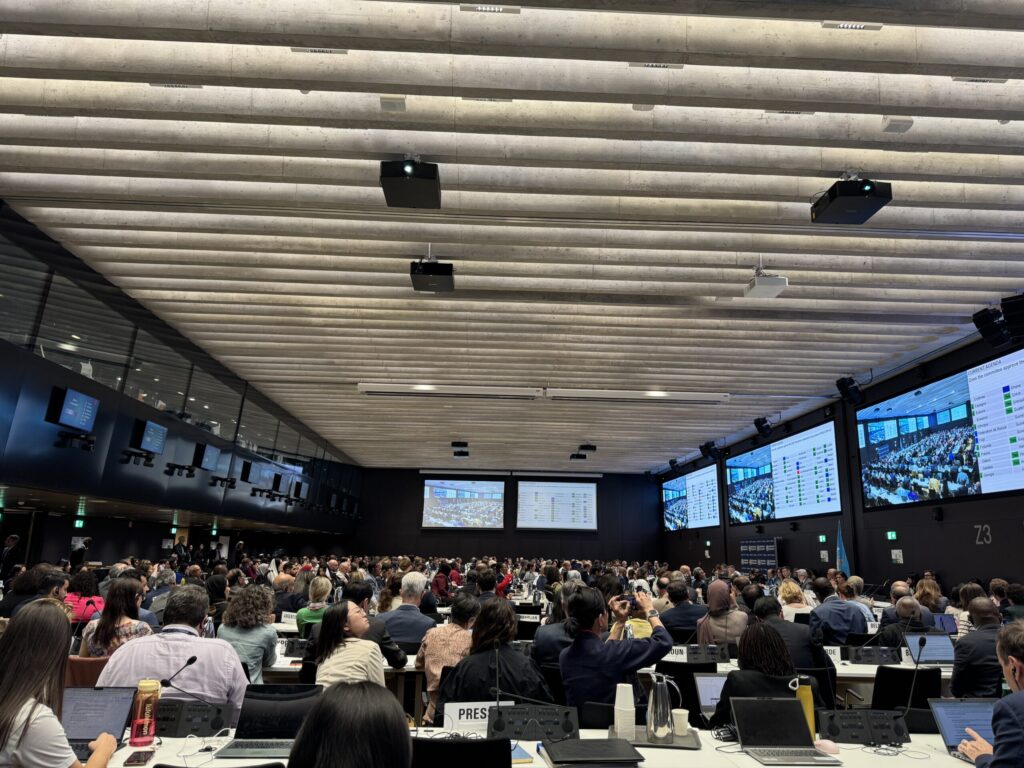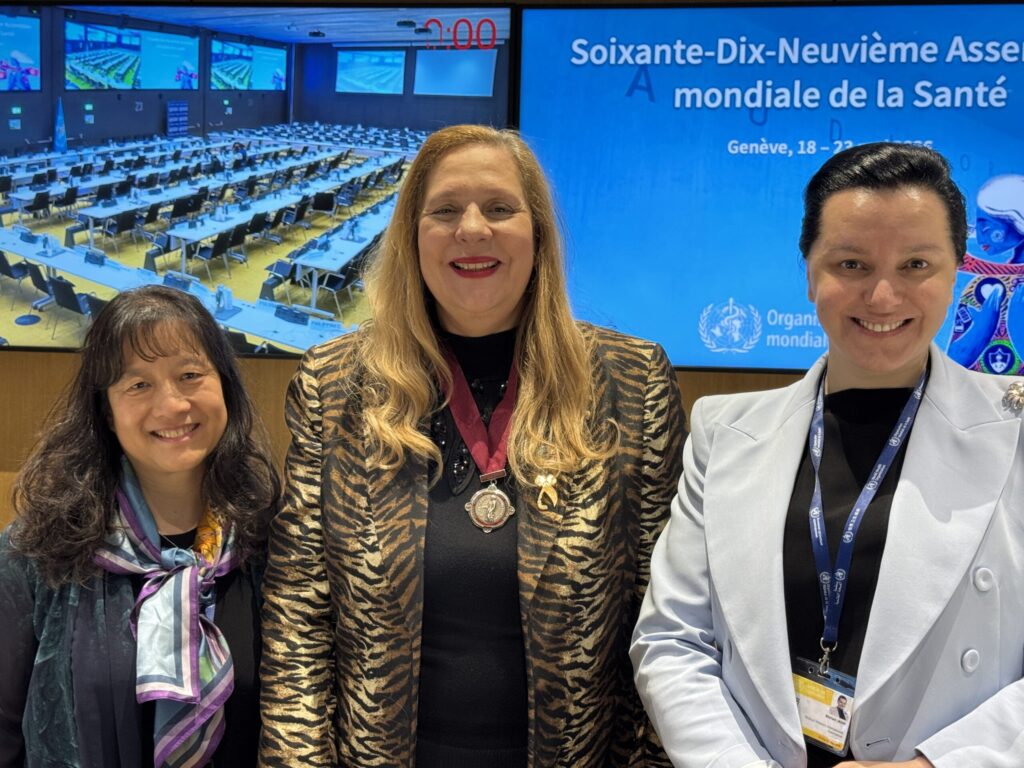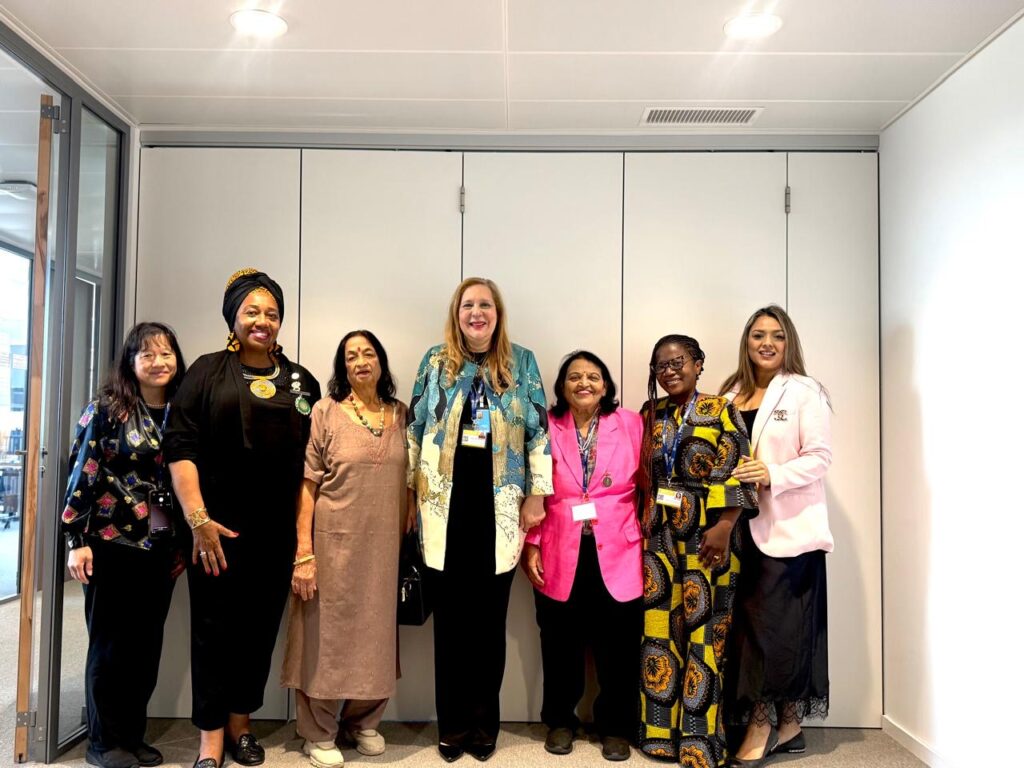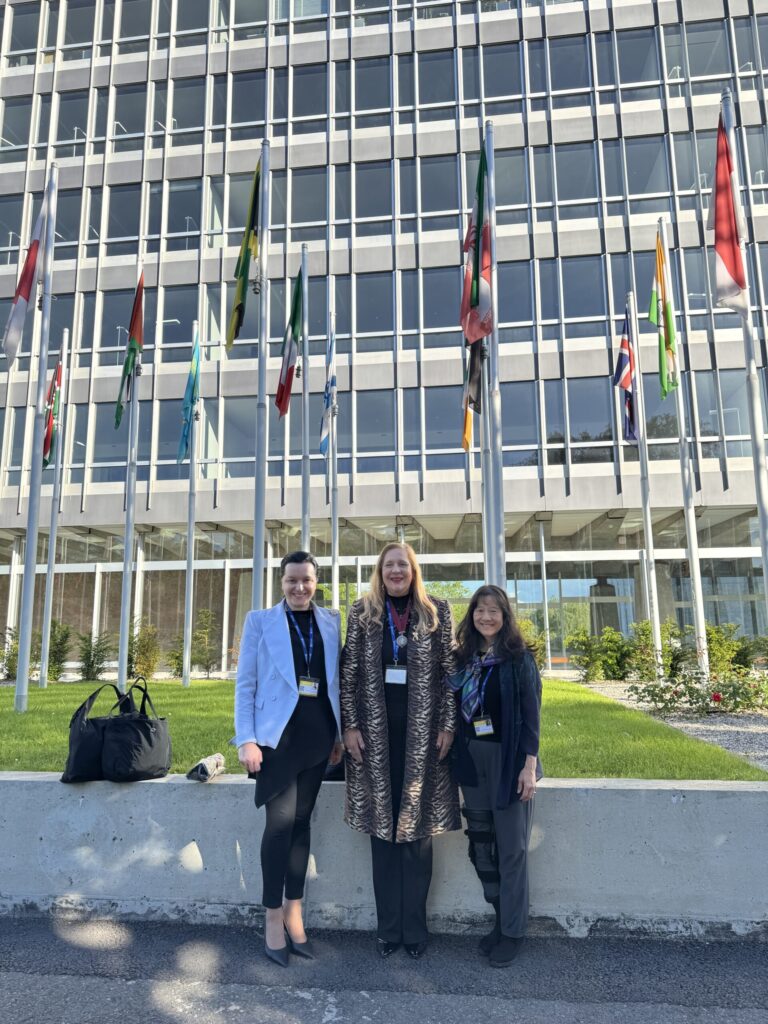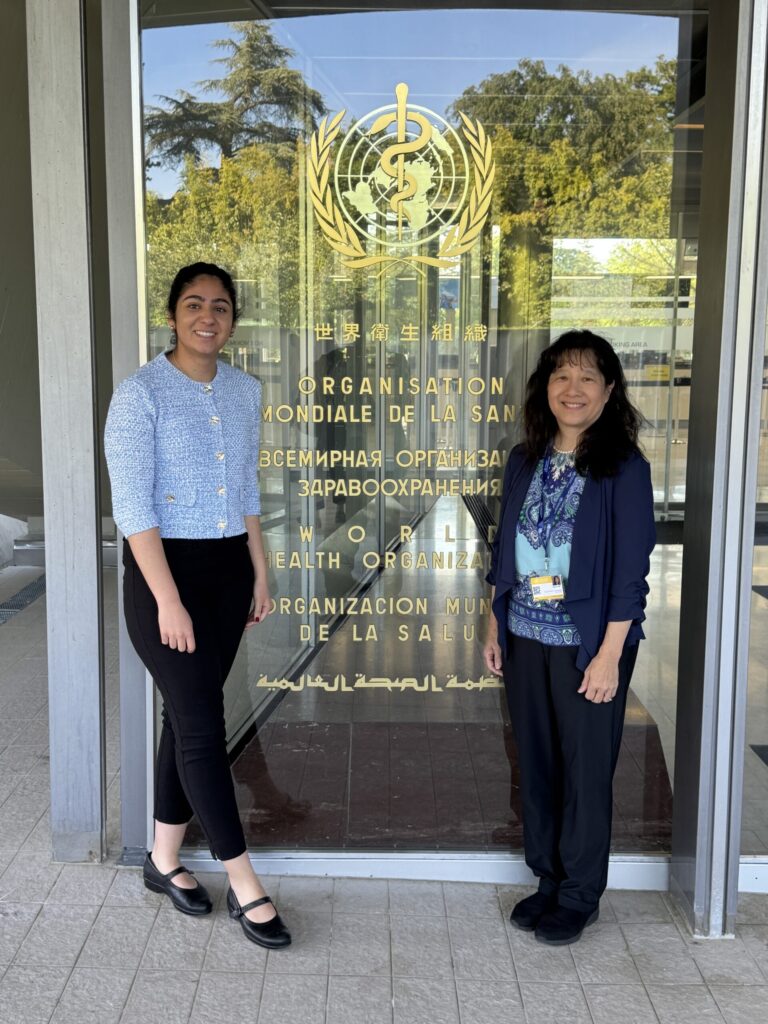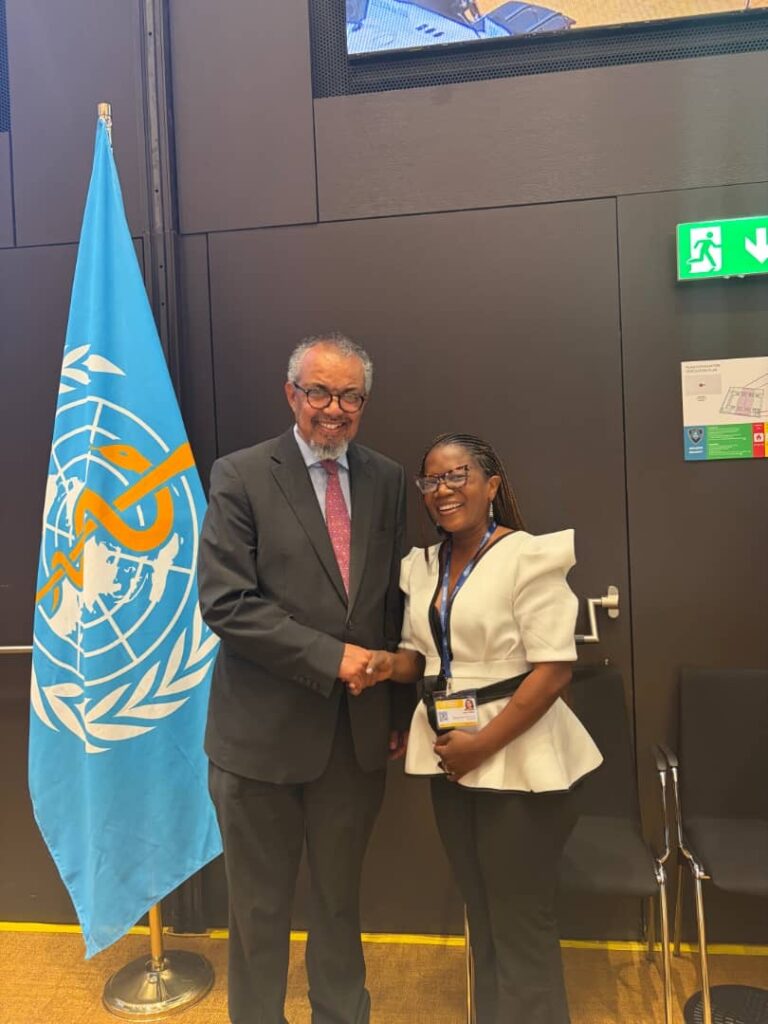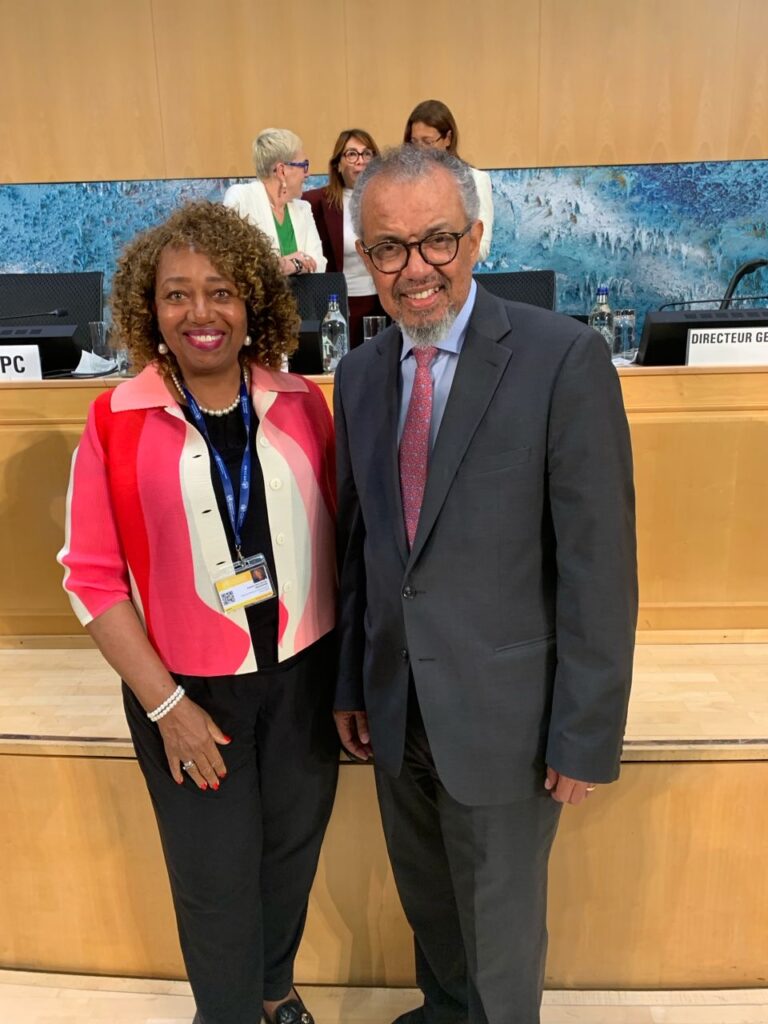
AMWA Executive Director Dr. Eliza Chin and AMWA Global Health Lead Dr. Padmini Murthy represented the American Medical Women’s Association at the 79th World Health Assembly. As treasurer of the Medical Women’s International Association, Dr. Chin was part of the Medical Women’s International Association delegation, joining women physician leaders from around the world to address major global health priorities. Also attending the side events was Emily Khossravi, AMWA premedical member.
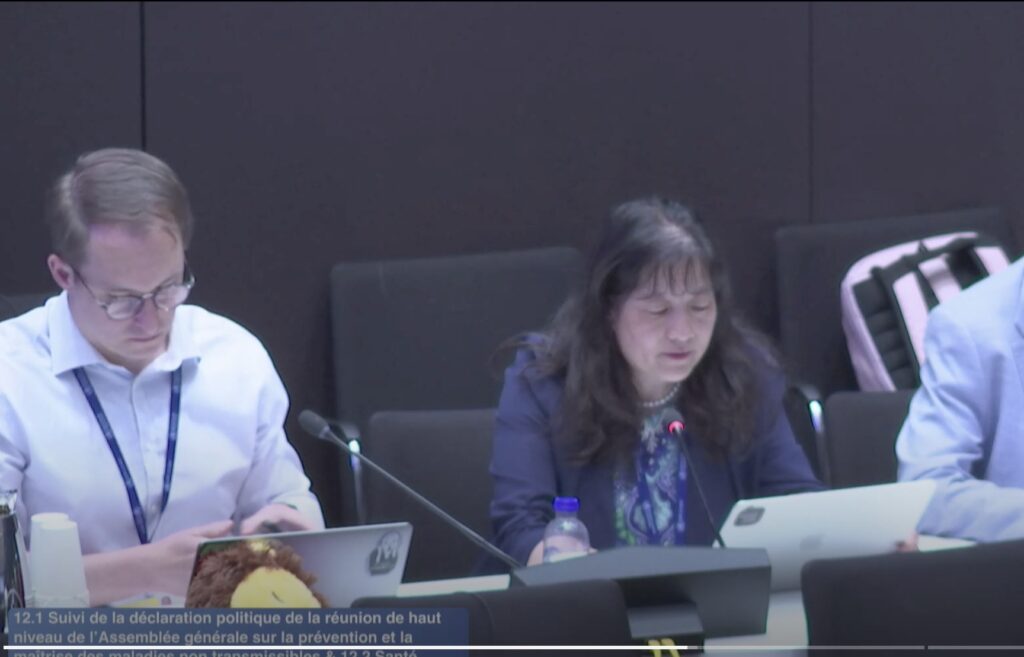
Dr. Chin spoke during the Eighth Committee A meeting of the World Health Assembly about the importance of strengthening women-centered approaches to noncommunicable diseases (NCDs) and universal health coverage.
In her remarks, Dr. Chin emphasized that although progress has been made globally in addressing NCDs, significant inequities in access to prevention, diagnosis, and treatment remain, particularly for women living in poverty and underserved communities. She noted that conditions such as cardiovascular disease, diabetes, cancer, chronic respiratory disease, and obesity continue to place a substantial burden on women worldwide, while research and health systems often fail to adequately address sex- and gender-specific differences in care.
Additional statements delivered by MWIA leaders focused on immunization, sepsis, universal health coverage, sustainable healthcare workforce development, antimicrobial resistance, and nutrition. Together, the statements reflected the organization’s commitment to advancing evidence-based policies that improve the health of women and communities globally.
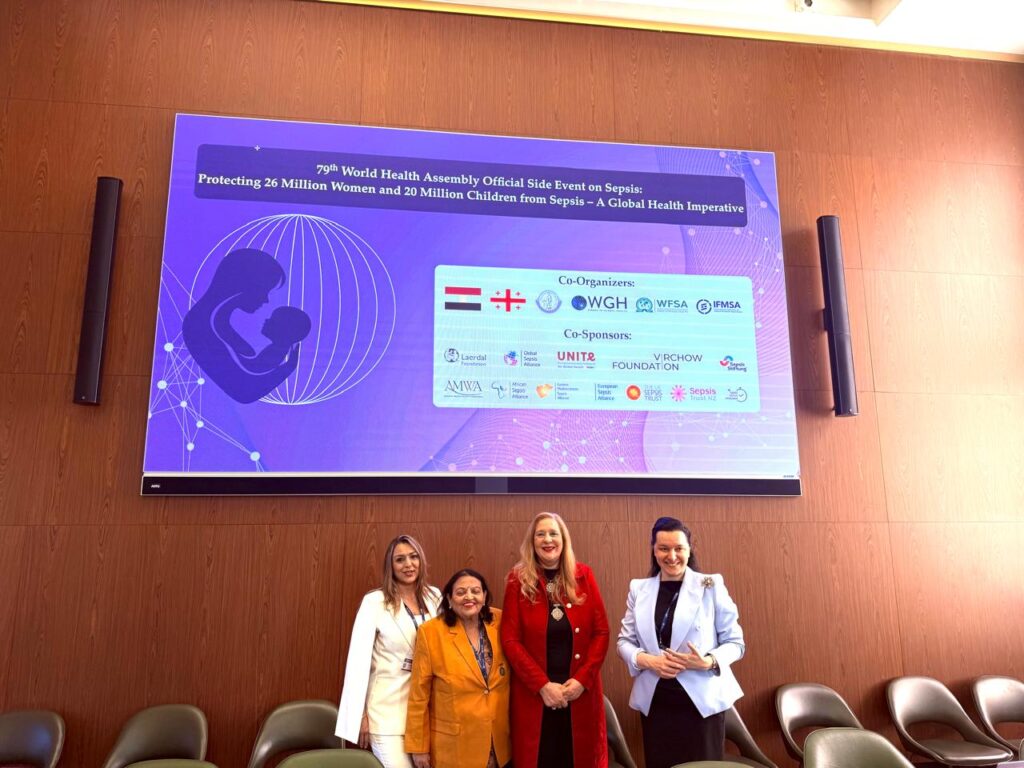
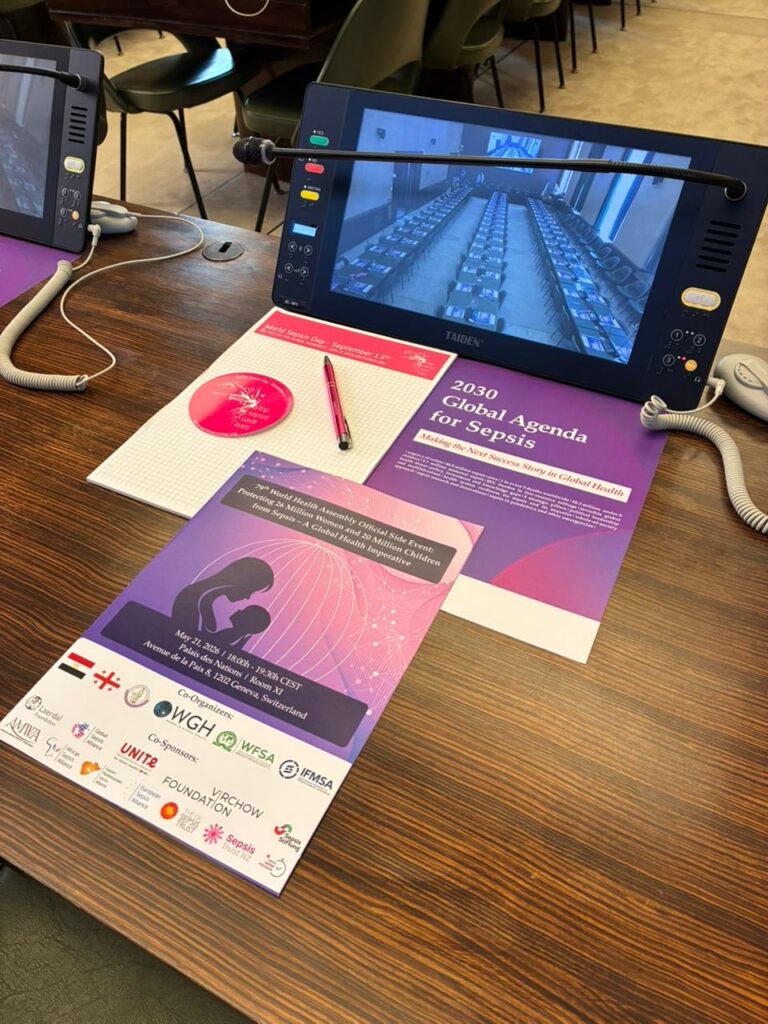
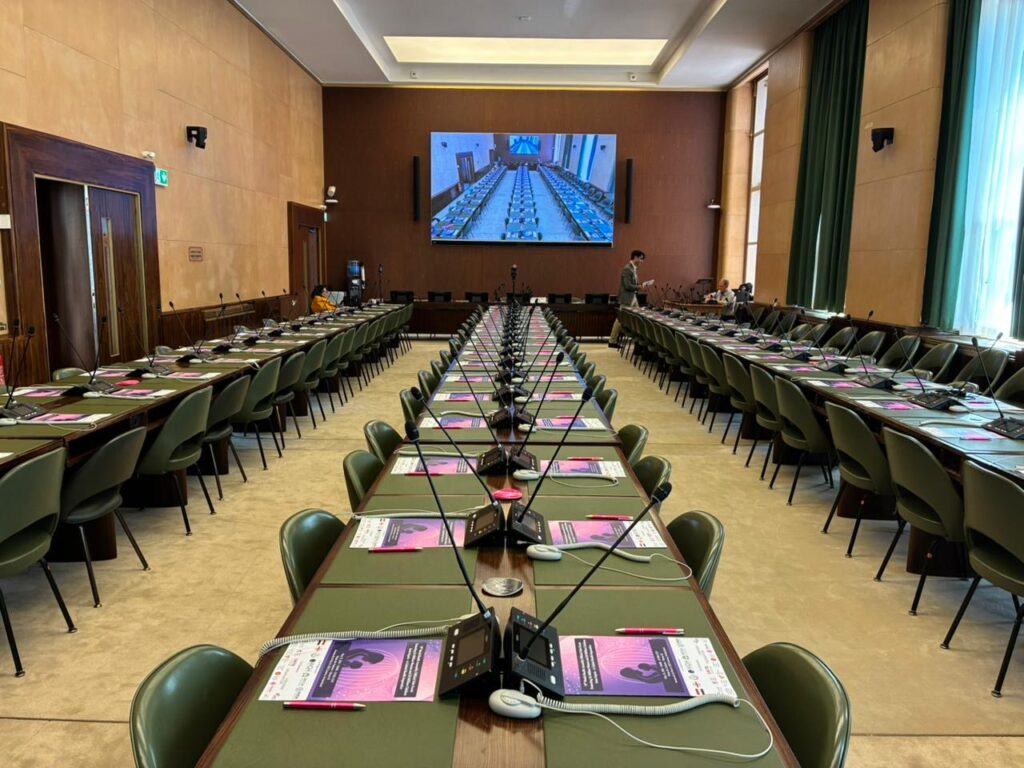
AMWA partnered with MWIA, the Global Sepsis Alliance, and other organizations to host an official WHA side event on May 21, 2026, Protecting 26 Million Women and 20 Million Children from Sepsis. MWIA North American Vice President Dr. Ramneek Dosanjh spoke on behalf of AMWA, sharing information about women and sepsis in the United States. The remarks highlighted that sepsis remains a leading cause of death in U.S. hospitals and emphasized important sex differences in sepsis, including the disproportionate burden of maternal sepsis and higher rates of severe maternal sepsis among Black women. The presentation also underscored the need for greater awareness, research, early recognition, and equitable access to timely care.
AMWA, together with MWIA, the Federation of Medical Women of Canada (FMWC), the Egyptian Medical Women’s Association (EMWA), and the Georgian Medical Women’s Association (GMWA) hosted a special screening of the film 1001 CUTS on the sidelines of the World Health Assembly. The film highlights the ongoing challenges faced by women surgeons and underscores the importance of addressing gender disparities, bias, harassment, and workplace culture within medicine.
The MWIA Executive Board also held several hybrid meetings on-site to discuss upcoming initiatives, educational programs, membership expansion, and opportunities for engagement among member associations. These discussions highlighted continued collaboration among women physician leaders through MWIA member associations to advance global health, equity, and leadership in medicine. AMWA is one of the largest member associations with MWIA, and all regular AMWA members who identify as women are also conferred membership in MWIA.