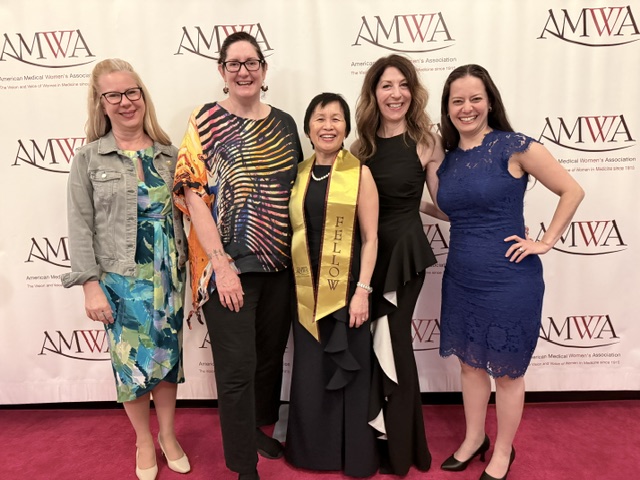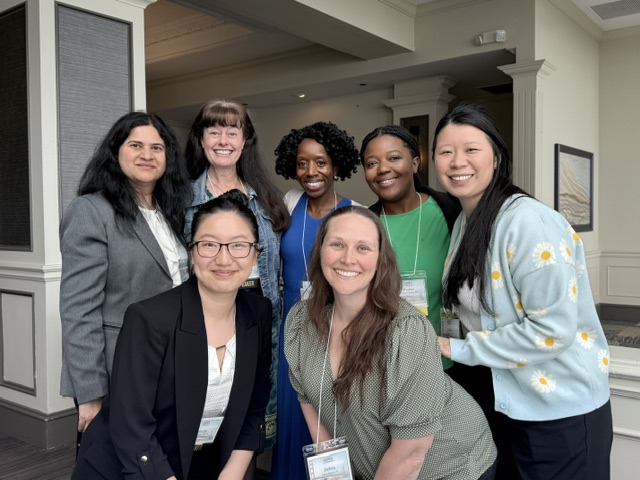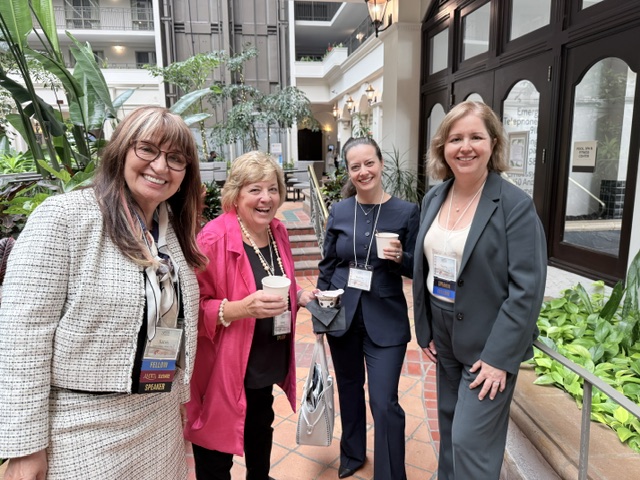
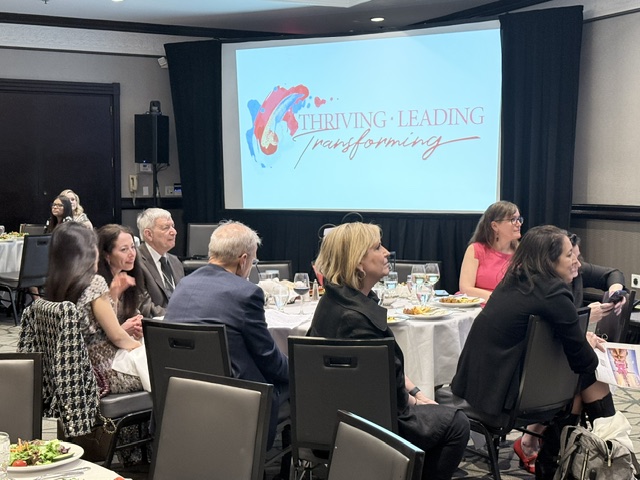
The American Medical Women’s Association (AMWA), 111th Annual Meeting, held March 27–29, 2026, near San Francisco, drew hundreds of women physicians, trainees, and allies to foster connection, community, and clinical advances. Under the theme Thriving, Leading, Transforming – Rooted in Purpose, Rising in Power, Committed to Service, the program emphasized empowerment through leadership development, wellness strategies, and cutting-edge discussions to advance women’s health.
Key Conference Themes
- Thriving: Sessions tackled burnout prevention, self-compassion through storytelling, lifestyle medicine, family paths, and financial confidence.
- Leading: Presentations included emotional intelligence, physician advocacy, conversational skills, and leading with curiosity.
- Transforming: Emphasis on clinical AI equity, addressing sex differences in women’s health, and innovations like food-as-medicine workshops.
Opening Day Highlights
AMWA President Dr. Eileen Barrett, joined by California Medical Association Immediate Past President Shannon Udovic-Constant, welcomed attendees and introduced the Keynote speaker, Dr. Marcia Faustin, Assistant Clinical Professor and Associate Team Physician for the UC Davis Division 1 team, as well as co-head team physician for the USA Gymnastics Women’s National Team.
In her keynote, “Together We Rise: Championing Mental Health,” Dr. Faustin recounted her experience at the Tokyo and Paris Olympic Games, highlighting the importance of biopsychosocial care and sharing lessons gained in support of elite athletes, including Simone Biles and Suni Lee. She emphasized the value of compassion, teamwork, and speaking openly about mental health.
She championed the need for both personal and system-level action. On the individual side, she advocated for changes that normalize seeking help, reduce stigma, and make time for self-care and counseling; and on the institutional side, pushed for strategies that improve confidentiality, reduce barriers to care, challenge gender bias and workload
Plenary speaker, Dr. Melissa McNeil, spoke on a similar theme: Transforming Purpose into Action, by reframing burnout and challenging a common narrative that women in medicine do not lack resilience—rather, they deserve workplaces intentionally designed to support them to ensure meaningful work. Even one small step—chosen intentionally—can improve care delivery and collegial connection. The overarching message is that we are already resilient; what we need, and deserve, are systems that meet us at least halfway.
In her plenary presentation, Dr. Barrett emphasized that physician burnout is not a failure of individual resilience but a reflection of workplace systems that must be redesigned to support human connection, inclusion, and well-being. She suggested moving from the need to “fix people” and instead to create systems where clinicians can truly thrive.
Interactive sessions spanned emerging leadership, sex and gender health education, thriving strategies like fertility equity, and mentorship tracks. Evening networking included a reception and Paint Night.
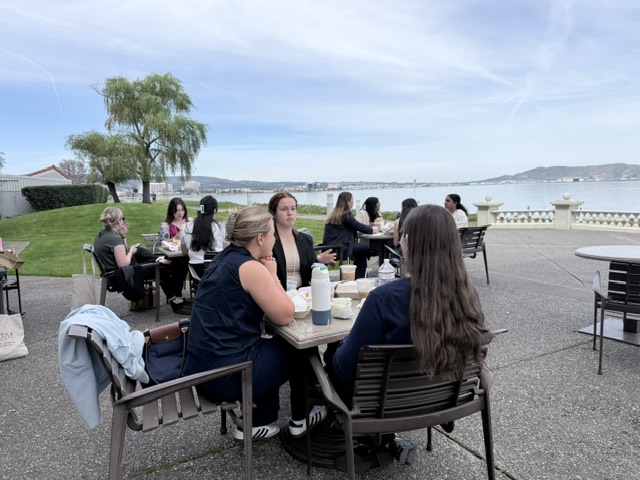
Saturday’s Main Sessions
The annual meeting’s plenary sessions featured powerhouse insights from visionary women physicians, including Dr. Victoria Sweet, who urged attendees to embrace “slow medicine” by taking time to truly listen, attend to the whole patient, and prioritize careful attention over speed. She noted that a patient’s key concern may emerge as they are leaving the room, and emphasized that healing depends on the doctor-patient relationship, with time itself as a critical instrument of care. Dr. Nancy Spector, in conversation with Dr. Susan Hingle, shared key insights from her experience leading through challenging times. A dynamic panel featuring Drs. Karen Nichols, Elena Fuentes-Afflick, Bisi Alli, and Gloria Wu, illuminated paths from grassroots advocacy to systemic change, inspiring attendees to amplify their impact.
Afternoon breakouts covered leadership creativity, sex/gender research funding, lifestyle medicine, motivational interviewing, and rapid “Hot Topics” on menopause, exposomes, health equity, and GLP-1s for substance use.
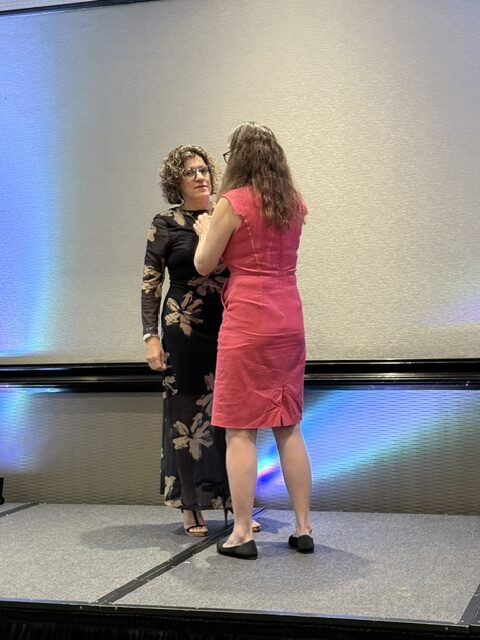
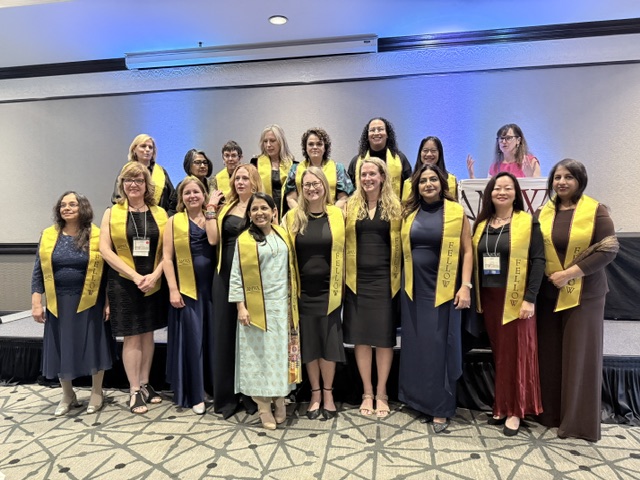
The Gala kicked off with a plenary on authentic leadership, delivered with wit and wisdom by Dr. Jessie Gold, followed by the AMWA Awards Ceremony, fellowship convocation, and inspirational comments by Dr. Barrett as she welcomed Dr. Paulette Cazares as AMWA’s next President. The evening was capped by joyful dancing, leaving attendees energized and reflective.
In concluding her year as AMWA President, Eileen Barrett, MD, said, in part:
“It has been an honor and a privilege to serve this past year as AMWA’s President. Over this time, I have found myself reflecting often on the resilience, persistence, creativity, and heart of our members—alongside our learners, colleagues, patients, and communities. Together, we have navigated challenges that feel both relentless and deeply personal: injustice, threats to equitable care, the undermining of reproductive health, misinformation, violence—and more. It is hard to stop once you begin naming them. And yet, you continue to show up—for your patients, your communities, and for one another. Thank you—and let’s keep taking care of each other so we can together make the better world we deserve.”
In her inaugural speech, Dr. Cazares shared her vision for the year ahead:
“I joined AMWA as a second-year medical student, and to this day, I unapologetically support this organization’s mission and vision. Women’s health organizations remain vital today, and AMWA is here to do the work it has been doing for over a century: to advance women physicians and improve the health of women. We are going to continue to support you individually and at the systems level, and we will continue to include and encourage diverse opinions. We all need to do this work together.”
Sunday Program Focus
Three themed panel discussions explored: AI in medicine, managing menopause, and Alzheimer’s disease in women, with hands-on AI stations and a start-up pitch innovation showcase.
In a workshop on AI for the Physician, experts led a panel that shared actionable insights on integrating AI into workflows and patient care, and how one can become an AI native physician.
Two clinical panels on menopause and brain health focused on gaps in care and the importance of reframing our clinical approach: Menopause and the Impact on Chronic Disease, and MIndMatt(H)ers—Brain Health and Alzheimer’s Disease in Women. Key takeaways: (1) Menopausal care should be framed as a long-term health transition, not a single symptom visit. Initiate practical conversations by establishing trust and listening to the patient. (2) Treat brain health with the same urgency as heart health. Screen and intervene early. Reduce stigma and use practical, patient-centered language to engage those who may be reluctant to discuss dementia directly.
Bringing a conclusion to the meeting’s physician sessions, attendees participated in breakouts to explore AI Learning and supporting four start-ups who presented their pitch to an esteemed panel of judges. Dedicated medical and premedical student programming included research keynotes, CV workshops, empathy simulations, and physician panels on wellbeing and leadership.