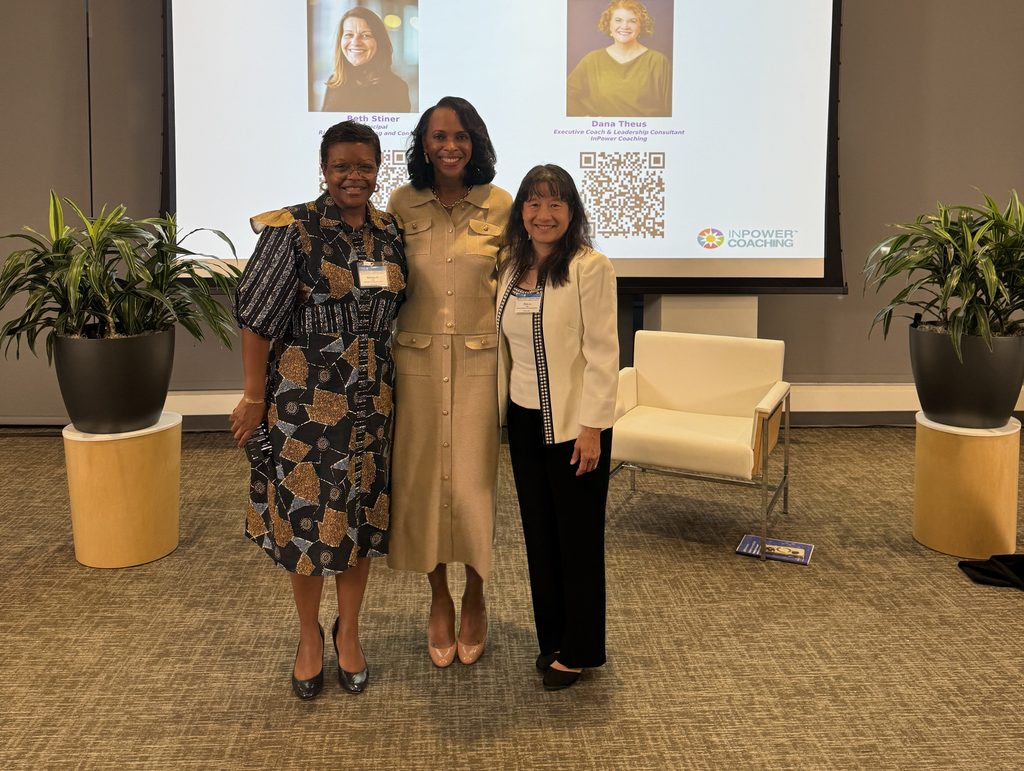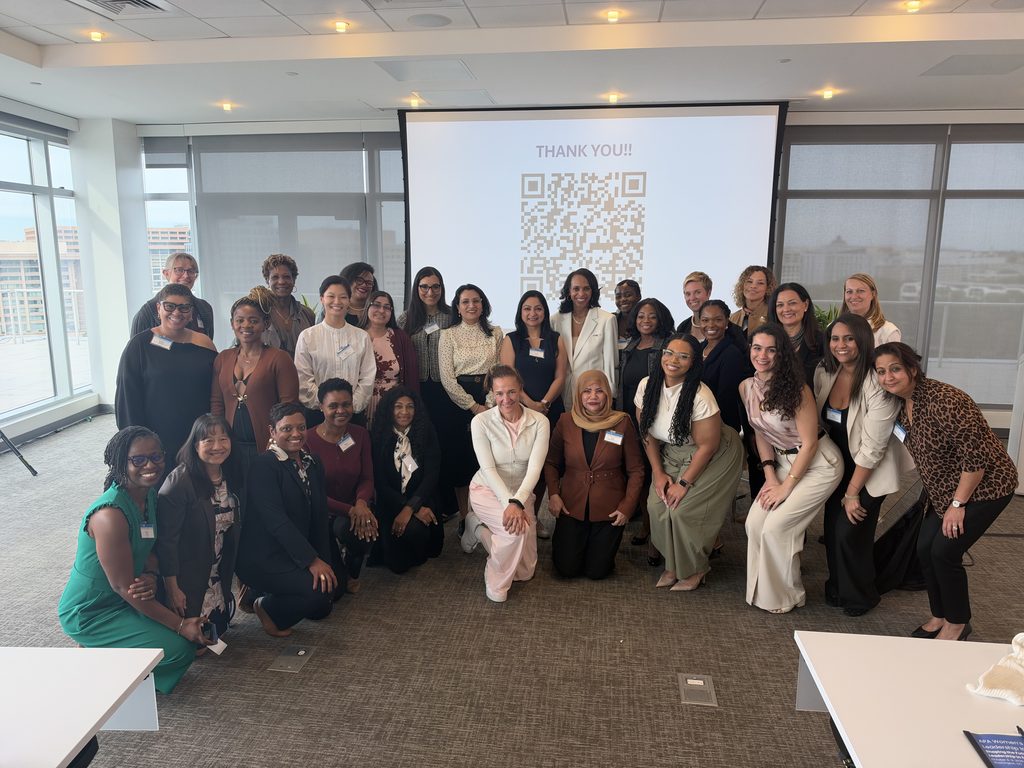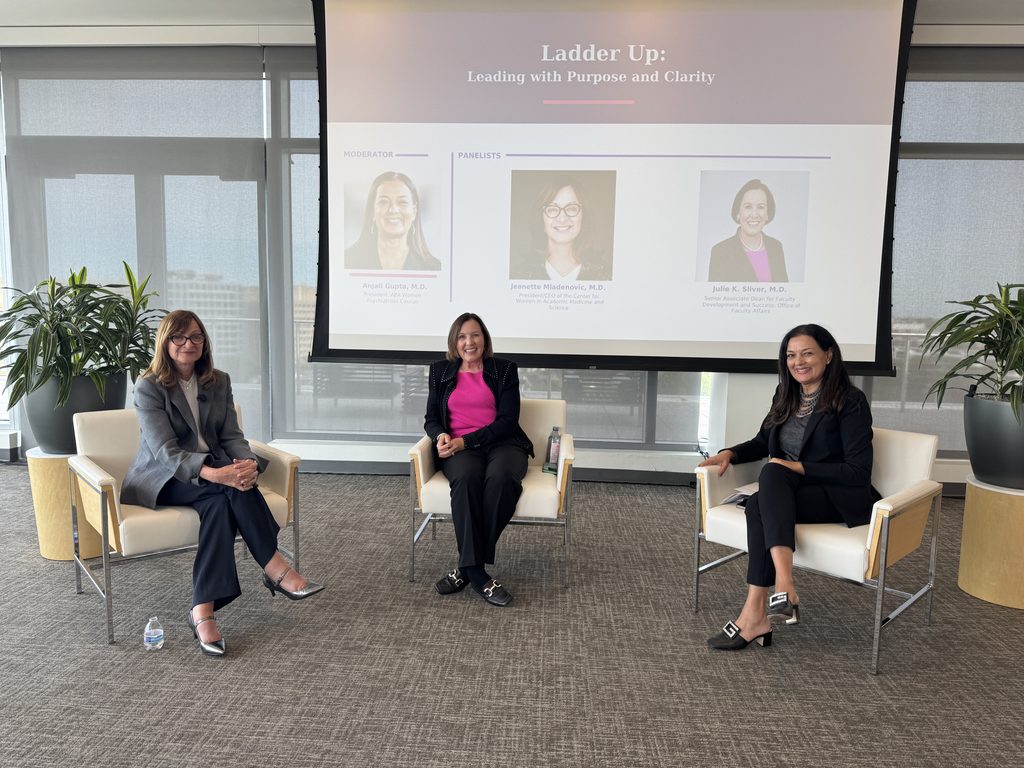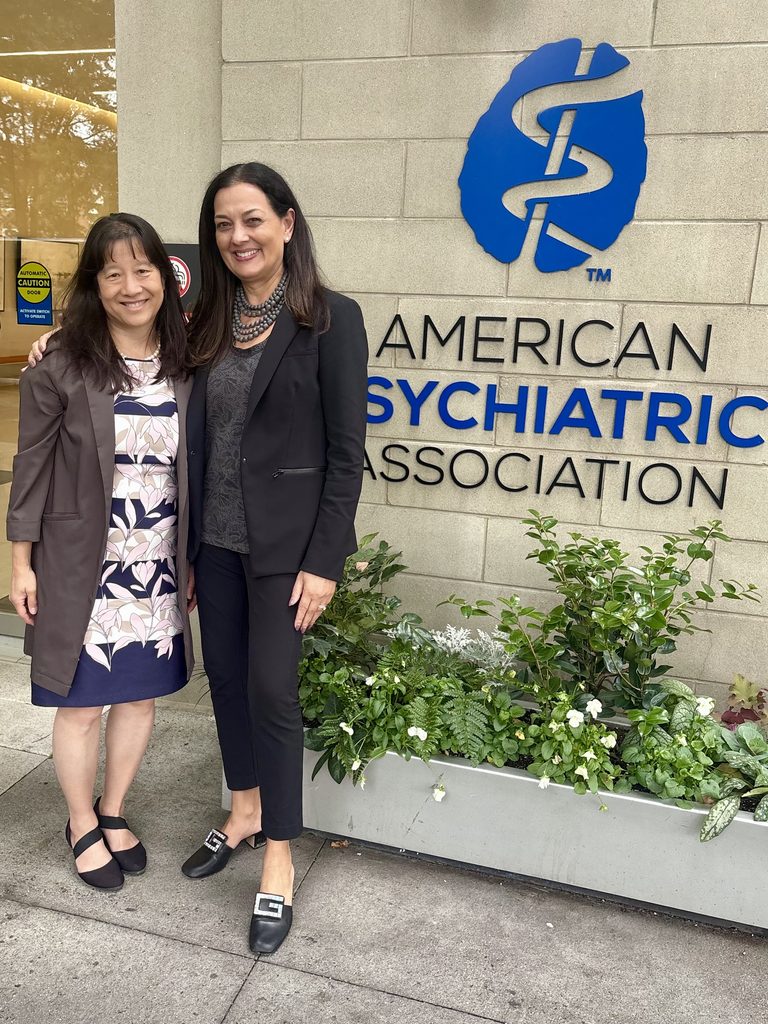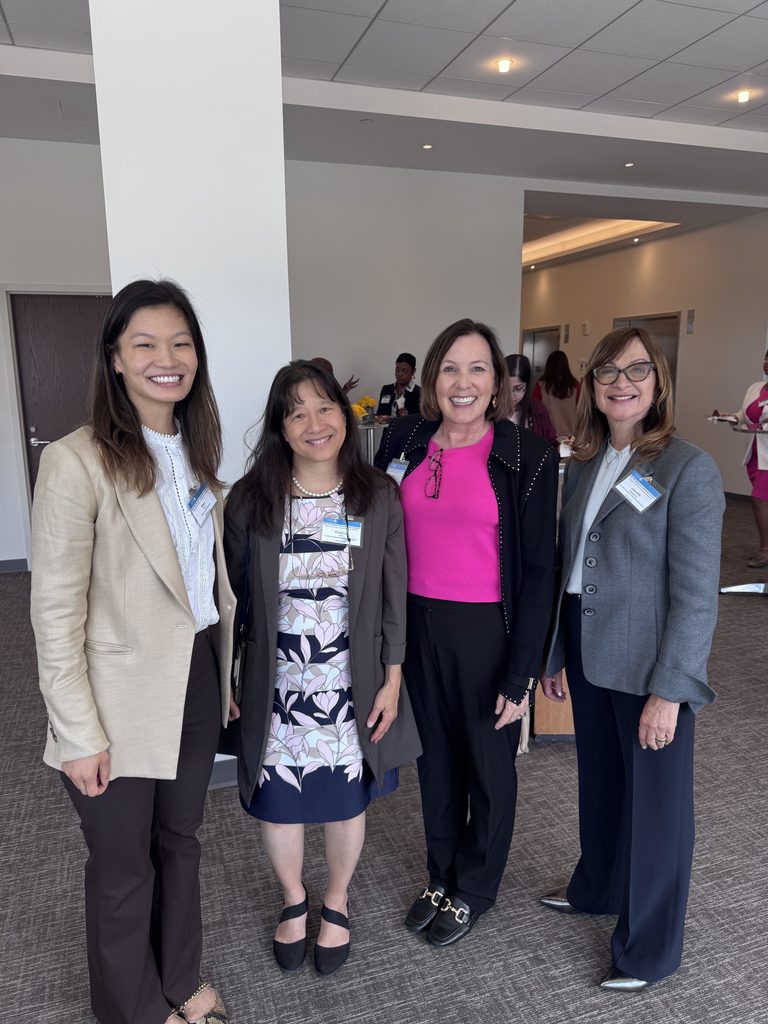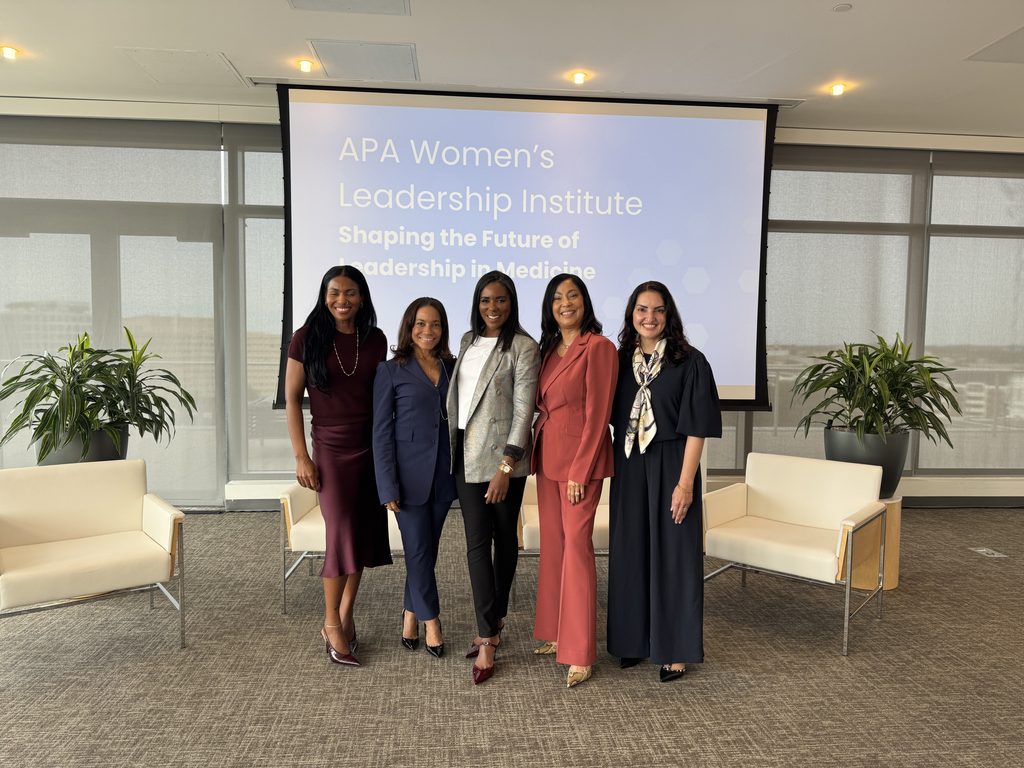
This past weekend, I was honored to participate as a speaker at the inaugural American Psychiatric Association (APA) Women Physicians Leadership Institute, a two-day program that brought together an impressive lineup of women leaders from across medical specialties. Through candid conversations, interactive workshops, and opportunities for networking and reflection, the Institute offered valuable insights into the challenges, opportunities, and evolving nature of leadership for women physicians.
Leadership Is Not Always a Straight Path
I had the privilege of joining Dr. Marketa Wills, CEO of the American Psychiatric Association, for an opening fireside chat reflecting on our respective leadership journeys. Although we pursued different medical specialties and followed different career paths, several common themes emerged.
First, leadership rarely follows a predetermined path. The twists, turns, and sometimes unexpected opportunities that shape our careers are reminders that there is no one-size-fits-all approach to leadership. What may initially appear to be a detour can become an important opportunity for growth, learning, and transformation. Rather than limiting ourselves to a preconceived career trajectory, we should remain open to opportunities — even those that do not seem to fit our original plans.
We also reflected on the transition from clinical medicine to organizational leadership. While leadership in organized medicine draws upon our clinical expertise, professional experiences, and commitment to patients, it also requires a different set of skills. As physicians, we are trained to amass a large body of knowledge and be decisive and authoritative in our areas of expertise. Yet effective organizational leadership often requires us to step away from being the expert, empower others, navigate ambiguity, and recognize the many shades of gray in complex decisions.
Executive coaching can play an important role in this transition, helping physicians develop skills in managing people, building teams, and leading organizations rather than directly performing the tasks at hand. It is a reminder that leadership is a journey of lifelong learning, not a destination.
The Power of Storytelling and Intentional Networking
Another important theme throughout the Institute was the power of storytelling as a leadership tool. A session on leading through storytelling explored how developing a compelling personal narrative can help leaders connect with others, communicate their values, influence decisions, and inspire change.
A longitudinal exercise reinforced how storytelling can help build leadership networks, create memorable first impressions, and make networking more intentional and strategic. By learning to articulate not only what we do, but also why we do it, we become more effective in communicating our purpose and engaging others in our work.
Mentorship, Sponsorship, and Building a Personal Board of Advisors
Speakers shared insights from their own sometimes unexpected leadership journeys, including the challenges of balancing professional responsibilities with personal priorities and the importance of mentorship and sponsorship.
One particularly valuable message was to think of mentorship as a two-way relationship. Mentees bring their own perspectives, experiences, and insights to the relationship. Recognizing what we can contribute, not simply what we hope to receive, can make mentorship more meaningful and sustainable for both individuals.
The discussions also highlighted the distinction between mentorship and sponsorship. Mentors provide guidance and advice, while sponsors actively advocate for individuals and help open doors to new opportunities. Sponsors may not necessarily be our mentors, and sponsorship can sometimes come from unexpected places. Clarifying the sponsorship ask can also help sponsors more easily support your career goals.
Developing a personal board of advisors — a network of mentors, sponsors, peers, and trusted colleagues — can provide diverse perspectives and support throughout a leadership career.
Equally important is our responsibility to encourage other women to step into leadership roles, particularly those who may not yet see themselves as leaders. As we advance in our own careers, we should continually ask: Who is missing from the table, and what can we do to bring them into the conversation?
Leading Through Change and Staying True to Our Values
The Institute also addressed the challenges of navigating change, uncertainty, and difficult leadership decisions. Drawing upon concepts of change and adaptation, including the Kübler-Ross model, speakers emphasized the importance of recognizing the emotional dimensions of change and helping others navigate transitions.
Leadership inevitably involves situations in which expectations and reality do not align. Particularly challenging are moments when organizational decisions or responsibilities appear to conflict with our personal or professional values. Dr. Julie Silver pointed out that the gap between what we believe should happen and what actually occurs can create challenges is what creates the potential for moral injury.
Navigating these situations requires self-awareness, thoughtful dialogue, and the ability to recognize complexity rather than viewing every decision in absolute terms. Effective leaders must learn to engage others in difficult conversations, understand competing perspectives, and distinguish between what they can influence and what lies beyond their control.
Throughout these discussions, the importance of remaining grounded in one’s core values emerged as a central theme.
Sustaining Leadership Across the Seasons of Life
Another recurring message was that leadership careers must be sustainable. Women physicians often navigate competing professional, family, and personal responsibilities, and the demands on our time and energy change throughout our lives.
Rather than expecting ourselves to excel in every area simultaneously, CNN Medical Analyst Dr. Leana Wen suggested that we think of life in seasons, recognizing that different priorities may take precedence at different times. We may be able to pursue many aspirations over the course of a lifetime, but not necessarily all at once.
Past NMA President Dr. Rachel Villanueva moderated a panel focused on prioritizing self-care and well-being, a reminder that these should not be separate from leadership development. Making time for these priorities are essential to sustaining a meaningful and effective leadership career.
The Institute incorporated opportunities for reflection and renewal, including a sound bowl meditation experience, reminding participants of the importance of making space for personal well-being amid the demands of professional life.
Celebrating the Vision Behind the Institute
This inaugural Institute was the brainchild of Dr. Regina James, Deputy Medical Director and Vice President for Diversity and Health Equity at the American Psychiatric Association, whose vision helped bring this important leadership initiative to life. AMWA leader Dr. Anjali Gupta chaired the planning committee.
Looking Ahead
The inaugural APA Women Physicians Leadership Institute offered more than leadership strategies. It created a space for women physicians to reflect on their journeys, learn from one another, build meaningful connections, and envision new possibilities for their professional and personal lives.
I left the Institute reminded that leadership is not defined solely by titles, positions, or achievements. It is shaped by our willingness to embrace unexpected opportunities, remain grounded in our values, support the advancement of others, and continue learning throughout our careers.
One of the most important takeaways for the next generation of women physician leaders is that we do not need to have every step of our leadership journey mapped out in advance. Sometimes the greatest opportunities emerge when we are willing to take an unexpected turn, say yes to a new challenge, or encourage someone else to recognize the leader they have the potential to become. My own journey in medicine included vastly diverse roles – as a practicing physician, clinician educator, stay-at-home mom, author, advocate, medical director, volunteer leader, and now executive director. Each of those experiences helped me step into new leadership roles and informs the work that I do now to support the advancement of women physicians and improve the health of women.