
Authors: Caroline Barry; Meghan Etsey; Yun Weisholtz, MD-PhD on behalf of the AMWA Gender Equity Task Force
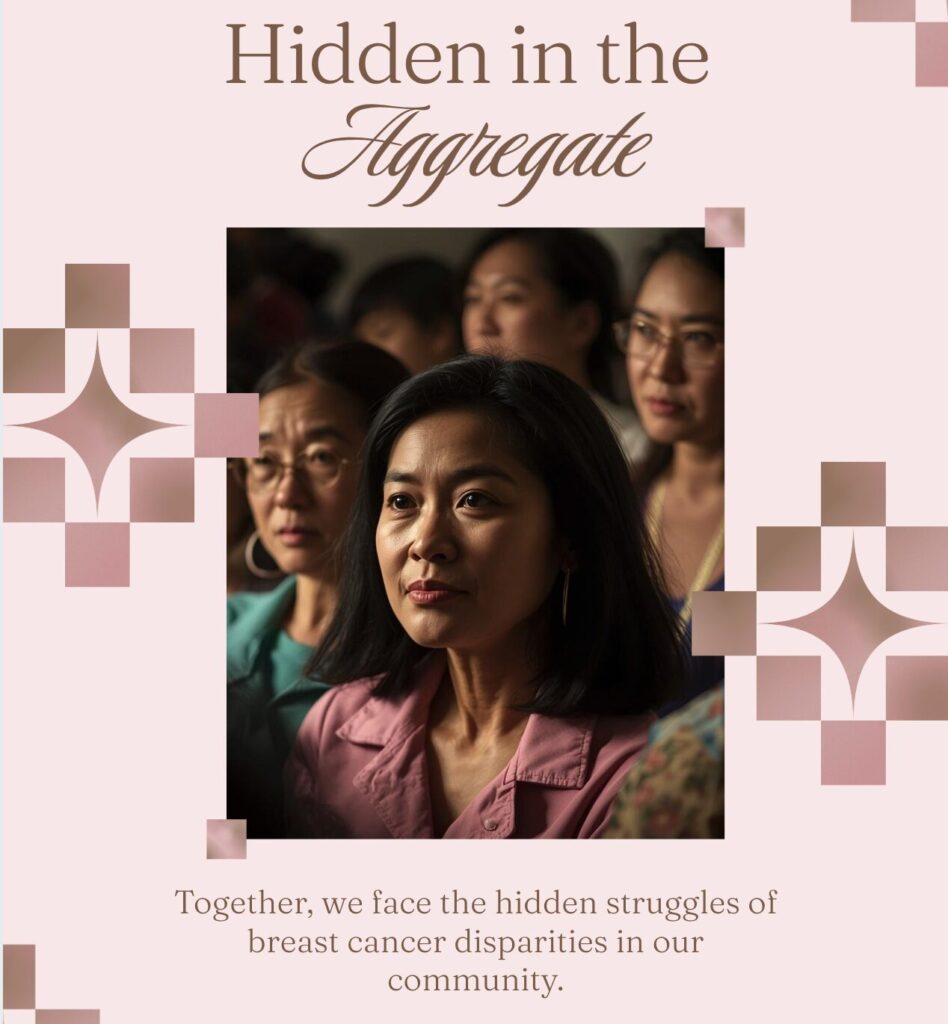
Asian Americans have often been viewed through the lens of the “model minority” stereotype, a narrative that can obscure important health disparities by emphasizing aggregate measures that mask substantial heterogeneity among Asian American populations (Chen et al., 2022; Eden et al., 2023). When Asian Americans are treated as a monolithic group, important differences in cancer incidence, mortality, screening access, and outcomes may be overlooked. This is particularly relevant in breast cancer, where growing evidence demonstrates significant variation among Asian American subgroups, underscoring the need for disaggregated data and culturally responsive approaches to prevention, screening, and treatment.
Breast cancer is the most commonly diagnosed cancer among Asian American and Pacific Islander (AAPI) women (American Cancer Society, 2024; Breast Cancer Research Foundation, 2024). Although historically categorized as a lower-risk group, AAPI women now experience the fastest-growing breast cancer incidence rates of any racial or ethnic group in the United States (American Cancer Society, 2024; Breast Cancer Research Foundation, 2024). Between 2015 and 2019, incidence increased by 2.1% annually, the highest reported across groups (American Cancer Society, 2024; Breast Cancer Research Foundation, 2024). Among women under 50, the shift has been especially stark: breast cancer incidence rose by approximately 50% since 2000, with rates now matching or exceeding those of non-Hispanic White women (Eden et al., 2023; Breast Cancer Research Foundation, 2024).
One of the most fundamental barriers to understanding and addressing breast cancer disparities among Chinese American women is the persistent practice of aggregating all Asian Americans into a single racial category. This approach, still common in cancer registries, clinical trials, and public health surveillance, treats a population of more than 24 million people spanning dozens of ethnic groups, languages, immigration histories, and cultural contexts as though they share a uniform health profile (Chen et al., 2022).
They do not. When cancer data are disaggregated, meaningful subgroup-specific disparities emerge. Analyses of national mortality data demonstrate that Chinese Americans bear a higher proportion of cancer-related deaths (25.99%) than the aggregated Asian American reference group (22.37%), with elevated mortality across several cancer types (Disparities in Cancer Mortality Among Disaggregated Asian American Subpopulations, 2024; Nghiem et al., 2016). These findings underscore a central equity problem: aggregation masks risk, delays intervention, and perpetuates invisibility.
This has direct relevance for breast cancer. Asian subgroups differ in biological risk profiles, diagnostic patterns, and survival outcomes (Eden et al., 2023; Taparra et al., 2022). Chinese women in the United States have substantially higher breast cancer incidence than women in China, suggesting that post-immigration environmental and lifestyle factors—including dietary changes, reproductive patterns, and physical activity—contribute to rising risk (Breast Cancer Research Foundation, 2024; Kaplan et al., 2022). Disaggregated analyses of early-stage breast cancer further reveal meaningful survival differences across Asian subgroups, differences that disappear entirely when data are reported in aggregate (Taparra et al., 2022).
Despite this, Asian Americans remain largely absent from cancer research priorities. Between 1992 and 2018, less than 0.2% of National Institutes of Health funding supported studies focused on Asian Americans, Native Hawaiians, and Pacific Islanders combined (Chen et al., 2022). The persistent “model minority” framing has contributed to Asian Americans being excluded from underrepresented minority classifications, limiting both funding and accountability (Chen et al., 2022; Eden et al., 2023). Without subgroup-specific data, disparities remain unmeasured and therefore unaddressed.
For Chinese American women, immigration status is a powerful determinant of breast cancer outcomes. Population-based analyses show that foreign-born Chinese women experience significantly higher breast cancer mortality than U.S.-born Asian counterparts, even after accounting for tumor characteristics and stage at diagnosis (Gomez et al., 2010). These differences persist independent of neighborhood socioeconomic status, suggesting that survival disparities are driven less by geography or income and more by structural barriers embedded within the healthcare system (Gomez et al., 2010).
This creates an immigration paradox. After migration, Chinese women experience rising breast cancer incidence—likely due to acculturation-related exposures—while simultaneously encountering obstacles to early detection and quality care. Limited English proficiency, unfamiliarity with the U.S. healthcare system, lack of insurance, and culturally discordant care converge to delay screening and treatment (Gomez et al., 2010; Wang et al., 2009). The result is increased risk paired with decreased access, a combination that worsens outcomes.
Asian American women have the lowest mammography screening rates of any racial or ethnic group in the United States (Wang et al., 2009; Tsui et al., 2007). Among Chinese American women, screening uptake is further constrained by intersecting linguistic, cultural, and structural barriers. Limited English proficiency is one of the strongest predictors of low screening knowledge and participation (Wu & Ronis, 2009). Many immigrant women struggle to navigate appointment scheduling, insurance systems, and result interpretation in English-dominant healthcare environments. Studies show that English proficiency is directly associated with awareness of early detection practices, meaning language barriers do not merely delay screening—they prevent understanding its importance altogether (Wang et al., 2009; Wu & Ronis, 2009).
Cultural health beliefs also shape screening behaviors. Traditional Chinese health frameworks often emphasize balance, symptom-based care, and fate, leading some women to view preventive screening as unnecessary or even harmful (Simon et al., 2014). Beliefs that medical testing may “invite illness,” or that cancer reflects moral or cosmic imbalance, can discourage mammography when screening is presented without cultural context (Lee-Lin et al., 2013). These beliefs are not irrational; they are coherent within their cultural framework. However, when unacknowledged by clinicians, they become barriers rather than points of engagement.
Stigma further compounds these challenges. Breast cancer remains highly stigmatized in many Chinese American communities, with fears extending beyond individual health to family reputation and marriage prospects. Women may avoid disclosure, suppress emotion, or delay care to prevent perceived social consequences (Simon et al., 2014). Research links cancer-related self-stigma among Chinese American survivors to higher psychological distress, particularly among less acculturated women (Tsai et al., 2019; Warmoth et al., 2020).
Biological factors add another layer of risk. Asian women have the highest prevalence of dense breast tissue, reducing the sensitivity of standard mammography and increasing the likelihood of missed diagnoses (Tsui et al., 2007; Ohuchi et al., 2024). Although supplemental imaging modalities such as ultrasound can improve detection, access remains uneven and awareness of breast density is limited (Ohuchi et al., 2024).
Even when Chinese American women access care, the clinical encounter itself may fall short. Asian American patients consistently report poorer communication with providers compared to non-Hispanic White patients (Tam Ashing et al., 2003). For breast cancer screening and treatment, communication failures can directly affect adherence, trust, and outcomes. Western models of care often prioritize individual autonomy and direct communication, which may conflict with Chinese cultural norms emphasizing respect for authority, family-based decision-making, and indirect expression.
Many Chinese immigrant women report that respectful, attentive communication matters more than language concordance alone; yet healthcare systems rarely provide the time, training, or resources required for culturally responsive care (Tam Ashing et al., 2003). Equity requires more than translation services; it requires recognition that reluctance to screen may reflect cultural logic, not disengagement.
Evidence suggests that culturally grounded, community-based interventions can meaningfully improve screening uptake among Chinese American women. Community health worker models have shown particular promise. Randomized trials demonstrate that small-group, peer-led educational interventions delivered in Chinese languages significantly increase mammography participation among previously nonadherent women (Maxwell et al., 2011; Tan et al., 2025). Similarly, linguistically tailored education programs that incorporate cultural health concepts outperform generic informational campaigns (Wang et al., 2009). Community partnerships with ethnic organizations, faith groups, and media outlets are critical for reaching women disconnected from mainstream healthcare systems.
Despite growing awareness, major gaps remain. Large-scale longitudinal studies focused specifically on Chinese American women are virtually nonexistent (Chen et al., 2022; Eden et al., 2023). Asian Americans remain underrepresented in clinical trials, and race or ethnicity is frequently unreported or unanalyzed. Survivorship research is similarly limited, obscuring long-term psychosocial and quality-of-life outcomes (Tsai et al., 2019; Warmoth et al., 2020).
This creates a self-perpetuating cycle: without data, disparities are invisible; without visibility, there is no urgency; without urgency, inequity persists. Breaking this cycle requires structural change. Cancer registries must routinely disaggregate Asian American data. Research funding must align with demonstrated disparities. Language access and culturally responsive care must be treated as standards, not optional enhancements.
Breast cancer disparities among Chinese American women are not the result of individual choices or cultural deficits. They are produced by systems that aggregate where they should differentiate, that measure access without measuring meaning, and that fail to see patients in their full cultural and social context. Health equity requires specificity. When we stop aggregating and start seeing, we create the possibility of care that truly reaches the women who need it most.
Chinese American women deserve to be visible, supported, and heard—not despite their differences, but because of them.
References
American Cancer Society. (2024). Breast cancer statistics 2024. CA: A Cancer Journal for Clinicians.
Breast Cancer Research Foundation. (2024). AAPI women and breast cancer. https://www.bcrf.org/about-breast-cancer/asian-women-aapi-women-breast-cancer/
Chen, M. S., Jr., Lee, R. J., Madan, R. A., Park, V. T., Shinagawa, S. M., Sun, T., & Gomez, S. L. (2022). Charting a path toward Asian American cancer health equity: A way forward. Journal of the National Cancer Institute, 114(6), 792–799. https://doi.org/10.1093/jnci/djac055
Disparities in cancer mortality among disaggregated Asian American subpopulations, 2018–2021. (2024). Journal of Racial and Ethnic Health Disparities. https://doi.org/10.1007/s40615-024-02067-0
Eden, C. M., Johnson, J., Syrnioti, G., Malik, M., & Ju, T. (2023). The landmark series: The breast cancer burden of the Asian American population and the need for disaggregated data. Annals of Surgical Oncology, 30(4), 2121–2127. https://doi.org/10.1245/s10434-023-13103-4
Gomez, S. L., Clarke, C. A., Shema, S. J., Chang, E. T., Keegan, T. H. M., & Glaser, S. L. (2010). Disparities in breast cancer survival among Asian women by ethnicity and immigrant status: A population-based study. American Journal of Public Health, 100(5), 861–869. https://doi.org/10.2105/AJPH.2009.176651
Kaplan, C. P., et al. (2022). Health disparity and breast cancer outcomes in Asian women. RadioGraphics. https://doi.org/10.1148/rg.220074
Lee-Lin, F., Menon, U., Nail, L., & Lutz, K. F. (2013). Feasibility of a targeted breast health education intervention for Chinese American immigrant women. Oncology Nursing Forum, 40(4), E107–E115.
Maxwell, A. E., Jo, A. M., Crespi, C. M., Sudan, M., & Bastani, R. (2011). Pilot test of a peer-led small-group video intervention to promote mammography screening among Chinese American immigrants. Health Promotion Practice, 12(2), 176–183.
Nghiem, V. T., Davies, K. R., Beck, J. R., Follen, M., MacAulay, C., Guillaud, M., & Cantor, S. B. (2016). Disparities in cervical cancer survival among Asian American women. Annals of Epidemiology, 26(1), 28–35.
Ohuchi, N., et al. (2024). Equity in breast cancer screening for Asian women with dense breasts through ultrasonography: Lessons from Japanese mammography screening and the J-START trial. Breast Cancer.
Simon, M. A., Li, Y., & Dong, X. (2014). Breast cancer screening beliefs among older Chinese women in Chicago’s Chinatown. Journals of Gerontology Series A, 69(Suppl 2), S41–S48.
Tam Ashing, K., Padilla, G., Tejero, J., & Kagawa-Singer, M. (2003). Perceptions, expectations, and attitudes about communication with physicians among Chinese American and non-Hispanic White women with early-stage breast cancer. Psycho-Oncology, 12(4), 417–427.
Tan, Y., Wang, J. H., Schwartz, M. D., Li, J., Liang, W., Yi, B., Liu, B., & Mandelblatt, J. S. (2025). The impact of a small-group mammography video discussion on promoting screening uptake among nonadherent Chinese American immigrant women: A randomized controlled trial. Cancer, 131(1), e35524.
Tsai, W., Wu, I. H. C., & Lu, Q. (2019). Acculturation and quality of life among Chinese American breast cancer survivors. Psycho-Oncology, 28(5), 1063–1070.
Tsui, J., Saraiya, M., Thompson, T., Dey, A., & Richardson, L. (2007). Chinese female immigrants’ English-speaking ability and cancer early detection practices. Journal of Immigrant and Minority Health, 9(2), 141–150.
Warmoth, K., Wong, C. C. Y., Chen, L., Ivy, S., & Lu, Q. (2020). Acculturation and psychological distress among Chinese American breast cancer survivors. Psychology, Health & Medicine, 25(10), 1278–1292.
Wang, J. H., Mandelblatt, J. S., Liang, W., Yi, B., Ma, I. J., & Schwartz, M. D. (2009). Knowledge, cultural, and attitudinal barriers to mammography screening among immigrant Chinese women. Cancer, 115(20), 4828–4838.
Wu, T. Y., & Ronis, D. (2009). What Chinese American immigrant women think about breast cancer screening. Journal of Immigrant and Minority Health, 11(1), 1–11.
About the Authors
Caroline Barry, BA
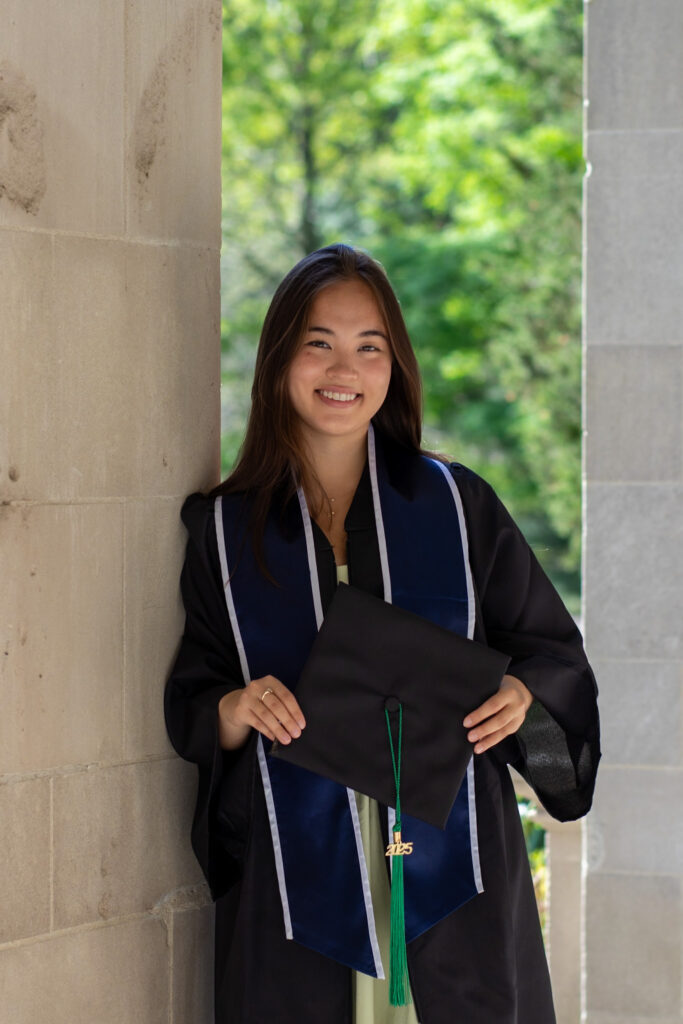
Caroline Barry is a graduate of Wellesley College, where she earned a Bachelor of Arts in Biochemistry with a minor in Psychology. During college, she served as a tutor and director for a Chinatown ESL program in Boston, supporting the local Asian American community through language education and outreach. She currently works as a postbaccalaureate fellow at the National Institute of Health, studying immunology with a focus on tumor biology and translational research. She plans to pursue an MD-PhD, with interests centering on advancing equity and meaningful representation in biomedical research to ensure scientific discovery benefits diverse patient populations.
Meghan Etsey, MS4

Meghan Etsey is a fourth year medical student from St. George’s University. She has a Bachelors of Arts in Biology and a Bachelors of Arts in Nutrition and Dietetics from Bluffton University in Bluffton, Ohio. She served as the President of the St. George’s University’s Women in Medicine chapter in St. George, Grenada where she expanded relationships with the community and worked towards educating women and helping the youth. She is also a member of the Gender Equity Task Force and Sex and Gender Health Collaborative Committees within the American Medical Women’s Association. When she is not pursuing medicine, you can find her with her friends and family on different road trips and adventures exploring the world.
Yun Weisholtz, MD-PhD
Dr. Yun Weisholtz is a physician-scientist and advisor with a deep commitment to mentorship and advancing equity in medicine. She completed her undergraduate studies at Stanford University, where she double-majored in Biological Sciences and Chemistry, and spent a year in Germany as a Fulbright Scholar. She went on to enter the MD-PhD program in Neuroscience at Harvard Medical School and MIT, where she developed her passion for research, teaching, and mentoring. Dr. Weisholtz is a Physician Advisor with MedSchoolCoach and the founder of MD-PhD Advising, a consulting practice dedicated to helping students navigate the medical school and residency application process. Outside of work, she enjoys collecting Delft pottery from the Netherlands and spending time with her family and pets.