
Authors: Jacqueline Hidalgo, Lauren Wallace, Meghan Etsey, Ariela L. Marshall MD on behalf of AMWA Gender Equity Task Force
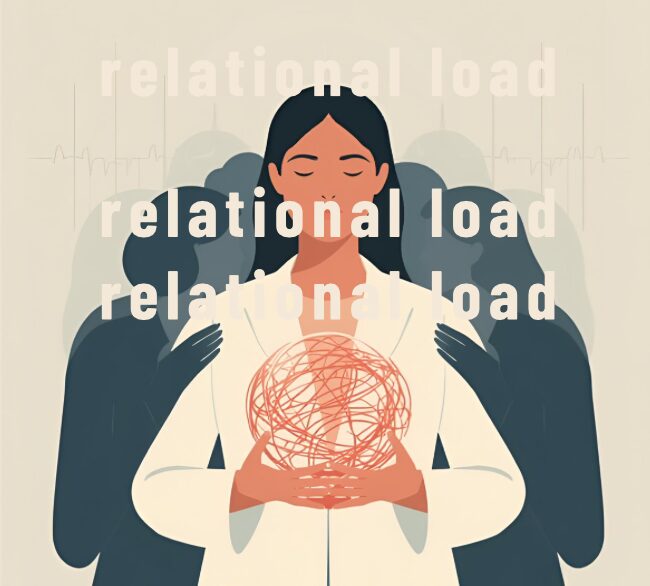
Before a diagnosis is made, before a treatment plan is written, and often before a patient even leaves the room, another kind of work has already taken place. It is the quiet effort of steadying the patient (and often also a worried family member), choosing words carefully when delivering difficult news, easing tension during a stressful round, or reassuring a trainee who fears asking the wrong question. This work rarely appears in medical charts or productivity metrics, yet it profoundly shapes the experience of care, for patients, families, and healthcare teams alike (Hosseini et al., 2023; Zhang et al., 2025). Behind every clinical encounter and patient handoff lies a form of labor that is seldom acknowledged but deeply influential. Known as emotional labor, it involves the cognitive and emotional effort required to regulate one’s own feelings while responding compassionately to the emotions of others (Xu & Fan, 2023). In healthcare, it means supporting patients in emotional distress, navigating complex interpersonal dynamics, collaborating with colleagues under pressure, and cultivating psychological safety within teams (Pines et al., 2024; Barzegari et al., 2025).
Emotional labor in healthcare refers to the often invisible work physicians perform to manage emotions in order to sustain compassionate and effective care (Hosseini et al., 2023; Zhang et al., 2025). In routine clinical encounters, this form of labor manifests through the deliberate regulation of physicians’ emotional responses as they manage complex conversations, communicate challenging medical information, and sustain empathy and professionalism in high pressure clinical settings (Xu & Fan, 2023). Emotional labor also extends to the interpersonal dynamics within healthcare teams. Physicians frequently mediate conflicts between colleagues, provide reassurance to trainees who may feel overwhelmed, and guide discussions during rounds in ways that promote respect and psychological safety within the team (Pines et al., 2024). Senior physicians often take on additional emotional responsibilities such as mentoring junior colleagues and physicians in training, modeling supportive communication, and helping teams navigate stressful or ethically complex situations (Barzegari et al., 2025). Although these relational and emotional skills are essential for patient trust, high-quality care, and effective teamwork, they are rarely formally measured, recognized, or compensated within healthcare systems (Zhang et al., 2025). As a result, emotional labor remains an underrecognized component of clinical professionalism, despite growing evidence that it significantly shapes both patient outcomes and physician well-being (Hosseini et al., 2023; Xu & Fan, 2023).
In healthcare, the invisible burden of relational work often falls on women physicians due to long-standing gender norms and expectations. From an early age, women are socialized to be nurturing, empathetic, and emotionally attentive, traits that translate into clinical practice (Barzegari et al., 2025; Xu & Fan, 2023). As a result, women physicians are more frequently sought out by colleagues and trainees for mentorship and conflict resolution, and in addition patients often anticipate greater warmth and emotional engagement from them (Pines et al., 2024). Even when women physicians hold leadership roles, they are commonly tasked with these responsibilities which extend beyond their operational duties, creating a hidden layer of labor that can contribute to emotional exhaustion (Hosseini et al., 2023). Recognizing and valuing this work is a crucial step toward more equitable workplaces where all physicians can thrive, and teams can function at their fullest potential (Zhang et al., 2025).
Unequal emotional labor drives burnout and compassion fatigue among women physicians. They disproportionately shoulder relational tasks—mentoring, managing teams, and providing extra emotional support to patients—which enhance quality of medical care but go largely unrecognized in promotions or productivity metrics (Barzegari et al., 2025; Xu & Fan, 2023; Pines et al., 2024). This invisible workload competes with time for research, leadership, and academic output, creating cumulative emotional strain (Zhang et al., 2025) and further slowing career advancement with regards to promotion. When organizations rely on women to absorb workplace emotional challenges without support, the risk of exhaustion rises. Structural factors, not individual resilience, largely drive burnout, underscoring the urgent need for institutional investment in physician well-being to sustain both staff and patient care (Tawfik et al., 2021; Shanafelt et al., 2022; West et al., 2020; Hosseini et al., 2023).
Emotional labor spent on patient care – in other words, the management and expression of emotion during patient interactions – contributes to improved patient satisfaction, communication, and workplace functioning (Larson & Yao, 2005). Evidence also shows that emotional labor enhances physician’s ability to build trust, deliver high quality care, strengthen team collaboration, positively influencing outcomes and patient experiences (Barzegari et al., 2025). Emotional labor is associated with stronger doctor-patient relationships and improved communication satisfaction, which supports prosocial behavior and effective teamwork (Xu & Fan, 2023; Pines et al., 2024). The challenge of providing emotional labor therefore lies not in the work itself but in the lack of formal recognition and the uneven distribution of emotional responsibilities across roles and settings, which can contribute to burnout without supportive structures and training (Zhang et al., 2025).
Healthcare teams can redistribute emotional labor more fairly by first acknowledging and naming the relational work that occurs daily. Structured rotation of responsibilities, such as debrief facilitation, mentoring, or onboarding, can help ensure these duties are shared equitably. Leaders of both sexes can support this process by modeling equitable practices, including transparent distribution of mentoring and trainee support responsibilities and rotating facilitation of emotionally demanding tasks such as debriefings or difficult patient discussions. They can also reinforce these expectations by recognizing contributions that strengthen team cohesion and psychological safety (Fu et al., 2022; Newman et al., 2017). Institutions can set fair expectations and rewards by incorporating relational work into job expectations, performance evaluations, and promotion criteria. Organizational systems play a critical role by formally recognizing emotional labor and providing policies, resources, and training to support staff in managing these essential contributions to patient care and team functioning (Hosseini et al., 2023; Zhang et al., 2025).
Women physicians often carry a disproportionate share of emotional labor, yet feel that it is their own job to advocate for fair treatment in the workplace — something which should not require adding advocacy to their already unfair burdens (Shanafelt et al, 2022). Strategies to protect women physicians include setting clear boundaries around informal emotional support (Tawfik et al., 2021). Women can also explicitly name recurring relational or systemic issues during team discussions (West et al., 2020) and leverage structured organizational systems to address interpersonal or equity concerns rather than absorbing them individually (Shanafelt et al., 2022; Tawfik et al., 2021). Advocacy should focus on systemic change and collective action, ensuring that the responsibility to improve workplace culture does not translate into additional emotional workload for the individual (West et al., 2020). Using formal channels and collaborative frameworks, women physicians can advance organizational practice while safeguarding their well-being and professional longevity (Shanafelt et al., 2022; Tawfik et al., 2021).
Emotional labor is the invisible thread that weaves together compassionate patient care, cohesive teams, and sustainable careers in healthcare. From comforting patients and families to mediating conflicts, mentoring colleagues, and fostering psychological safety, this often-unseen work underpins everything that makes a healthcare team effective; but it is rarely recognized, rewarded, or formally supported (Hosseini et al., 2023; Barzegari et al., 2025). Acknowledging its significance is not just about fairness for physicians; it is essential for the quality of care patients receive and the resilience of the healthcare workforce (Zhang et al., 2025). Institutions can take steps like redistributing relational responsibilities, providing training and support, and embedding emotional labor into professional expectations to create environments where all team members thrive (Xu & Fan, 2023; Pines et al., 2024). In practice, this could mean creating rotating mentorship or peer-support roles so everyone shares tasks like checking in with new staff or facilitating team discussions about stress. These roles can be officially recognized in workload or performance evaluations, making emotional labor visible and valued instead of falling on just a few people. As you reflect on your own team, consider this: Who is carrying the hidden emotional load, and what changes could you make to lighten it? Recognizing and acting on this invisible work is a vital step toward building a balanced and truly empathetic healthcare system.
References:
- Barzegari, A., et al. (2025). Emotional labour in healthcare and its impact on patient care and provider well‑being. BMC Health Services Research. https://bmcnurs.biomedcentral.com/articles/10.1186/s12912-025-03587-8
- Xu, Y.-W., & Fan, L. (2023). Emotional labor and the physician–patient relationship: implications for job satisfaction and care quality. Frontiers in Psychology. https://doi.org/10.3389/fpsyg.2023.1094358
- Pines, R., Myers, K. K., & Giles, H. (2024). Healthcare professionals’ emotional labor and management of workplace dynamics with underserved patients. Health Communication. https://doi.org/10.1080/10410236.2023.2226307
- Zhang, Y., Zhang, L., Huang, X., et al. (2025). Emotional labour in healthcare research: trends, impacts, and implications. Journal of Advanced Nursing. https://doi.org/10.1111/jan.16233
- Hosseini, S. M., Ahmadi, F., & Sharif, F. (2023). Emotional labor and its impact on healthcare providers and patient care: A systematic review. BMC Health Services Research, 23, 485. https://doi.org/10.1186/s12913-023-09460-7
- Shanafelt, T. D., Goh, J., & Sinsky, C. (2022). The business case for investing in physician well‑being. JAMA Internal Medicine, 182(10), 1145–1152. https://doi.org/10.1001/jamainternmed.2022.2917
- West, C. P., Dyrbye, L. N., Erwin, P. J., & Shanafelt, T. D. (2020). Interventions to prevent and reduce physician burnout: A systematic review and meta‑analysis. The Lancet, 388(10057), 2272–2281. https://doi.org/10.1016/S0140-6736(16)31279-X
- Tawfik, D. S., Profit, J., & Shanafelt, T. (2021). Organizational factors affecting physician burnout and engagement. Current Treatment Options in Pediatrics, 7(1), 64–75. https://doi.org/10.1007/s40746-020-00229-3
- Larson, E. B., & Yao, X. (2005). Clinical empathy as emotional labor in the patient–physician relationship. JAMA, 293(9), 1100–1106. https://doi.org/10.1001/jama.293.9.1100
- Fu, Q., Cherian, J., Ahmad, N., Scholz, M., Samad, S., & Comite, U. (2022). An inclusive leadership framework to foster employee creativity in the healthcare sector: The role of psychological safety and polychronicity. International Journal of Environmental Research and Public Health, 19(8), 4519. https://doi.org/10.3390/ijerph19084519
- Newman, A., Donohue, R., & Eva, N. (2017). Psychological safety: A systematic review of the literature. Human Resource Management Review, 27(3), 521–535. https://doi.org/10.1016/j.hrmr.2017.01.001
About the Authors
Jacqueline Hidalgo, MS3

Jacqueline Hidalgo is a third-year M.D. candidate at St. George’s University, born and raised in Long Island, New York. She has a Bachelors of Arts in Psychology with a minor in Chemistry from New York University. She served as Vice President for the St. George’s University Neurodiversity Allies Society, where she contributed to educational outreach on neurodevelopmental disabilities, supported student and family initiatives, organized community engagement activities, and assisted with fundraising efforts to promote inclusion and accessibility. She is also a member of the Gender Equity Task Force Committee within the American Medical Women’s Association. At SGU, she has served in student leadership through both the Pediatrics and Psychology Clubs as a Class Representative and a member, advocating for campus initiatives and student support. Outside of medicine, she enjoys singing, learning new instruments like the ukulele, reading cheesy romance novels and spending quality time with her family and friends.
Lauren Wallace, MS3

Lauren Wallace is a third-year medical student at St. George’s University School of Medicine and earned her Bachelor’s degree in Cell and Molecular Biology from the University of Tennessee at Martin. She has served as student lead for her Psychiatry and Obstetrics/Gynecology core rotations and is a member of the Gender Equity Task Force. Growing up in rural Tennessee, she is passionate about improving healthcare access for underserved communities. Outside of medicine, she enjoys staying active and scuba diving with her husband.
Meghan Etsey, MS4

Meghan Etsey is a fourth year medical student from St. George’s University. She has a Bachelors of Arts in Biology and a Bachelors of Arts in Nutrition and Dietetics from Bluffton University in Bluffton, Ohio. She served as the President of the St. George’s University’s Women in Medicine chapter in St. George, Grenada where she expanded relationships with the community and worked towards educating women and helping the youth. She is also a member of the Gender Equity Task Force and Sex and Gender Health Collaborative Committees within the American Medical Women’s Association. When she is not pursuing medicine, you can find her with her friends and family on different road trips and adventures exploring the world.
Ariela Marshall, MD
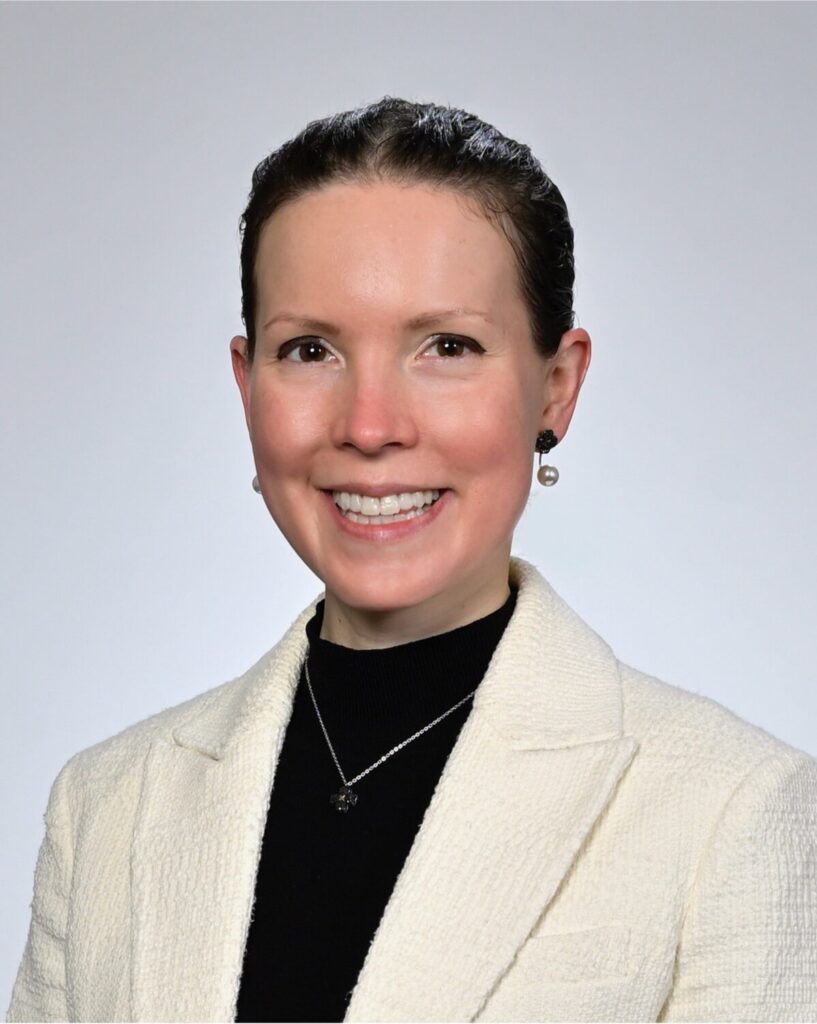
Dr. Ariela Marshall is a Harvard-trained physician and an internationally renowned advocate, career development advisor, and mentor. Dr. Marshall specializes in bleeding and clotting disorders, especially as they relate to women’s health. She has worked at Mayo Clinic and the University of Pennsylvania and currently practices as a consultative hematologist at the University of Minnesota (UMN) and the Program Director of the UMN Hematology-Oncology Fellowship. In addition to her clinical work, Dr. Marshall is a highly respected leader, mentor, and speaker. She is an active leader with the American Society of Hematology (where she led efforts to found the Women in Hematology Working Group and currently holds seats on the Women in Heme Working Group, Committee on Communications and Media Experts Subcommittee) and American Medical Women’s Association (leading the Infertility Working Group and holding seats on the Gender Equity Task Force). She speaks regularly on a national and international scope to discuss her efforts to advance career development and mentorship for physicians, gender equity, fertility/infertility awareness, parental health and wellbeing, reproductive health and rights, and work-life integration.