
Authors: Mallory Johnson, Meghan Etsey, Dr. Vaishnavi Patel on behalf of the Gender Equity Task Force

For centuries, surgery was considered a man’s field, defined by physical endurance, hierarchical rigor, and exclusionary tradition. Yet as early as 3500 BCE, women were wielding scalpels, sutures, and unwavering determination. Archaeological records trace women’s surgical practice in ancient Egypt, Greece, and Mesopotamia, with figures like Queen Shubad of Ur among the earliest documented examples (Malik TJ, 2021). Despite societal constraints and institutional barriers, women have continuously reshaped the surgical landscape- often without recognition.
The following trailblazers not only transformed their fields but also challenged the very definition of who belongs in an operating room:
Dr. Miranda Stewart (1795-1865)
- How she changed medicine: One of the first surgeons to perform a successful cesarean section in which both mother and child survived. Under the guise of Dr. James Barry, Dr. Stewart also served as a military surgeon. The recovery rate of her battle-wounded patients far exceeded expectations of her era, a testament to her surgical brilliance and resilience. Her ingenuity and resilience opened the door for women to enter the surgical ranks that had long excluded them (WAMC Northeast Public Radio, 2007).
Dr. Mary Edwards Walker (1832–1919)
- How she changed medicine: The first and only woman to receive the U.S. Medal of Honor, Dr. Walker served as a surgeon during the Civil War when women were not permitted in such roles. She challenged Victorian gender norms in medicine and society, advocating for women’s rights and dress reform. Her courage redefined both medicine and gender equity in the 19th century (McLemore EC et al., 2012).
Dr. Barbara Bartlett Stimson (1898-1986)
- How she changed medicine: In 1940, she became one of the first women certified by the American Board of Surgery. Her example undermined the idea that surgery was for men only, challenging exclusion at the institutional level. She helped open certification pathways for future generations of female surgeons (McLemore EC et al., 2012).
Dr. Helen Octavia Dickens (1909–2001)
- How she changed medicine: A pioneering obstetrician-gynecologic surgeon and the first African American woman admitted to the American College of Surgeons. She advocated for reproductive health access and equity for women of color and founded outreach clinics for underserved communities. Her advocacy and mentorship continue to influence diversity and inclusion efforts in academic medicine today (ACS Archives, 2017).
Dr. Nina Starr Braunwald (1928-1992)
- How she changed medicine: Dr. Braunwald was the first woman certified by the American Board of Thoracic Surgery and led the team that implanted the first successful artificial human mitral valve, which she also helped design. Her innovations in cardiac surgery catalyzed modern practice in heart valve replacement (McLemore EC et al., 2012).
Dr. Olga Jonasson (1934–2006)
- How she changed medicine: The first woman to chair an academic department of surgery in the United States (Ohio State University, 1987). A fierce advocate for mentorship and inclusion, she paved the way for women in surgical leadership and academic advancement (McLemore EC et al., 2012).
Dr. Kathryn Dorothy Duncan Anderson (b. 1939)
- How she changed medicine: The first woman appointed officer of the American College of Surgeons. She was also the first woman President of the American Pediatric Surgery Association, dedicating her career to improving outcomes for children worldwide. Later, she became the first woman President of the American College of Surgeons. Her presidency marked a pivotal shift toward gender balance in surgical governance, ensuring women’s perspectives shape the future of patient care (McLemore EC et al., 2012).
Dr. Patricia Numann (b. 1941)
- How she changed medicine: As the first woman chair for the American Board of Surgery, Dr. Numann led initiatives to modernize surgical certification and promote gender equity in credentialing. Her enduring influence has strengthened transparency and diversity in surgical governance (McLemore EC et al., 2012).
Dr. Nancy Ascher (b. 1950)
- How she changed medicine: The first woman in the world to perform a liver transplant and former Chair of the Department of Surgery at UCSF. Her innovation and global leadership in transplant ethics transformed organ transplantation and surgical education (UCSF Department of Surgery, 2025).
Dr. Karen Guice (b. 1951)
- How she changed medicine: The first woman elected President of the Association of Academic Surgery, Dr. Guice championed academic advancement and workforce equity. Her leadership fostered lasting institutional reforms that continue to support women’s progression in surgical academia (McLemore EC et al., 2012).
Dr. Lori Arviso Alvord (b. 1958)
- How she changed medicine: She was the first Navajo (Diné) woman to become board-certified in surgery in the U.S. Dr. Alvord used her cultural heritage and surgical training to pioneer integrative care models combining Western surgical practice with indigenous healing traditions. Not only has she expanded gender diversity in surgery, but also ethnic and cultural representation for historically underrepresented populations (McLemore EC et al., 2012).
Dr. Leigh Ann Curl (b. 1963)
- How she changed medicine: The first and only woman orthopedic surgeon in the National Football League. She broke into one of the most male-dominated arenas of medicine and sports. Her visibility and excellence have expanded representation in orthopedic sports surgery worldwide (McLemore EC et al., 2012).
Dr. Catherine Mohr (b. 1968)
- How she changed medicine: A robotic surgeon and engineer, she helped develop early innovations for da Vinci robotic surgical systems. Her interdisciplinary work bridges surgical practice and biomedical innovation that continues to propel surgery into the digital age (Mohr C., 2025)
Dr. Patricia L. Turner (b. 1969)
- How she changed medicine: She became the first woman and first African American to serve as Executive Director and CEO of the American College of Surgeons. Through her leadership with ACS and expertise in the field of minimally invasive surgery, Dr. Turner opens the path for future generations of women in the OR and boardroom alike (ACS, 2025).
Dr. Debra A. Gervais (b. unknown)
- How she changed medicine: A pioneering interventional radiologist, she advanced image-guided minimally invasive surgery, expanding access and safety for complex procedures, especially in oncology. Her innovations continue to define modern procedural safety standards and patient-centered care (Massachusetts General Hospital, 2025).
Dr. Aij-Lie Kwan (b. unknown)
- How she changed medicine: Dr. Kwan became Taiwan’s first female neurosurgeon and was the first woman to lead the International College of Surgeons. Her global surgical missions and mentorship efforts demonstrate how inclusion in surgery can reshape practice and culture (CAPRi, 2025).
These remarkable female surgeons, who span decades, even centuries, fought to break the barriers that kept women from surgery and, more importantly, rebuilt the foundation of the field. Their stories are a reminder of the hardships women have overcome and a call to action to continue pushing boundaries. Following these trailblazers, we should mentor boldly, advocate relentlessly, lead with purpose, and ensure that the next generation of surgeons inherit a field defined not by exclusion, but by possibility.
References:
Aij-Lie Kwan. CAPRI. Updated 2025. Accessed December 2, 2025. https://caprifoundation.org/aij-lie-kwan/
Nancy L. Ascher, MD, PhD. UCSF Department of Surgery. Updated 2025. Accessed December 2, 2025. https://surgery.ucsf.edu/bio/nancy-l-ascher-md-phd/
Helen Octavia Dickens, MD, FACS. American College of Surgeons Archives. Published 2017. Accessed December 2, 2025. https://www.facs.org/about-acs/archives/past-highlights/dickens/
Gervais DA. Debra Gervais, MD. Massachusetts General Hospital. Updated 2025. Accessed December 2, 2025. https://www.massgeneral.org/doctors/16905/debra-gervais
Malik TG. Women in Surgical Fields; Time to break the Glass Ceiling. Pak J Med Sci. 2021;37(5):1249-1251. doi:10.12669/pjms.37.5.4583
McLemore EC, Ramamoorthy S, Peterson CY, Bass BL. Women in surgery: bright, sharp, brave, and temperate. Perm J. 2012;16(3):54-59. doi:10.7812/TPP/12.964 https://pmc.ncbi.nlm.nih.gov/articles/PMC3442763/
Mohr C. Catherine Mohr — Biography. Catherine Mohr. Updated 2025. Accessed December 2, 2025. https://www.catherinemohr.com/biography/
Patricia L. Turner, MD, MBA, FACS. American College of Surgeons. Updated 2025. Accessed December 2, 2025. https://www.facs.org/about-acs/governance/patricia-l-turner/
WAMC Northeast Public Radio. Her-Story, Then: James Barry/Miranda Stuart. WAMC. Published January 17, 2007. Accessed December 2, 2025. https://www.wamc.org/science-technology/2007-01-17/her-story-then-james-barry-miranda-stuart
About the Authors
Mallory Johnson, MS4

Mallory Johnson is a fourth-year medical student from St. George’s University. She holds a Bachelor of Science in Forensic Science and a Bachelor of Science in Chemistry from Tiffin University. She worked as an Analytical Chemist at P&G and KAO before medical school. She is passionate about giving back to vulnerable communities and providing equal access and opportunity to medical care. She is a member of the Domestic Violence and Music in Medicine Committees within the American Medical Women’s Association. When she’s not doing schoolwork, you can find her playing her cello, reading cozy mysteries, and playing with her poodles, Gertie and Maple.
Meghan Etsey, MS4
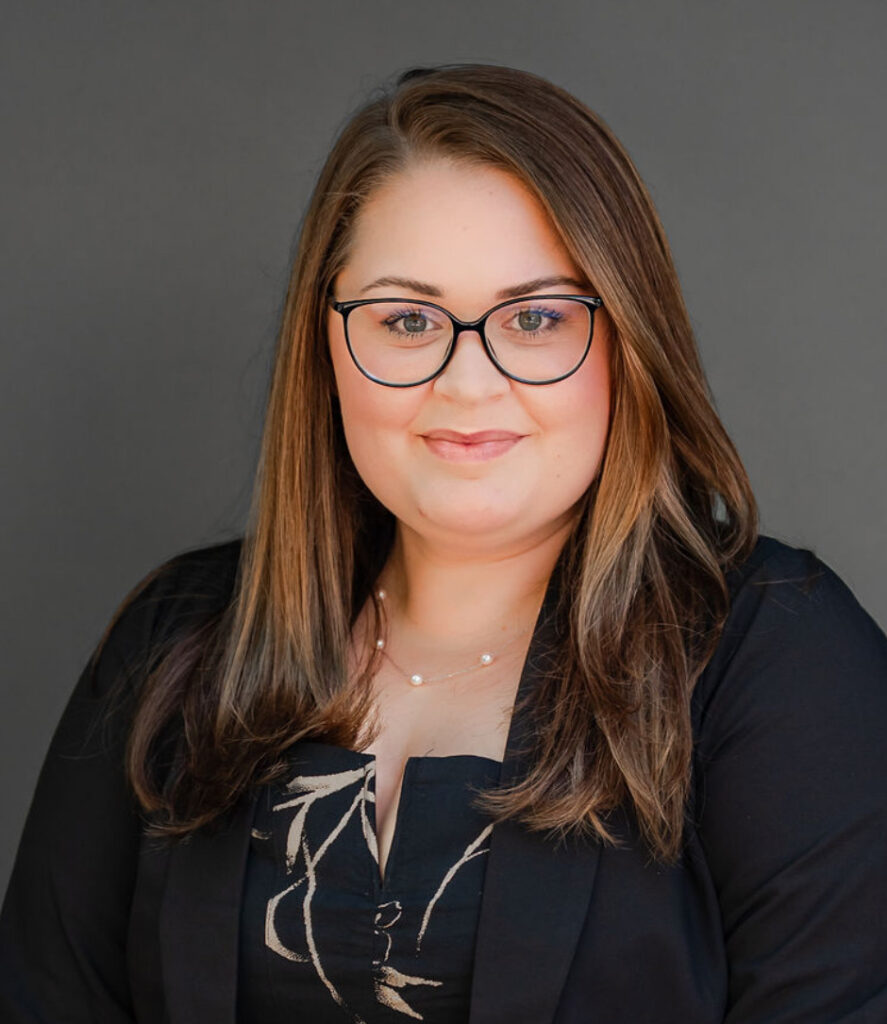
Meghan Etsey is a fourth year medical student from St. George’s University. She has a Bachelors of Arts in Biology and a Bachelors of Arts in Nutrition and Dietetics from Bluffton University in Bluffton, Ohio. She served as the President of the St. George’s University’s Women in Medicine chapter in St. George, Grenada where she expanded relationships with the community and worked towards educating women and helping the youth. She is also a member of the Gender Equity Task Force and Sex and Gender Health Collaborative Committees within the American Medical Women’s Association. When she is not pursuing medicine, you can find her with her friends and family on different road trips and adventures exploring the world.
Vaishnavi Patel, DO
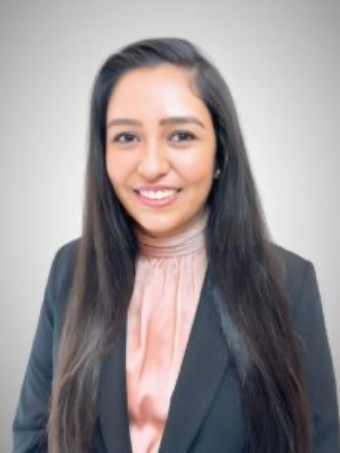
Vaishnavi J. Patel, DO is an early career family medicine physician. She is passionate about Women’s Health and advocacy, serving on the Executive Board of the American Medical Women’s Association GETF and playing a crucial role in their initiatives to support women in medicine. Her research expertise includes scientific computation, data sciences, and analyzing methods to improve patient outcomes and women’s health. She is a dedicated volunteer for local free clinics and a speaker at various programs focused on patient education and advocacy. She serves as an ambassador of the Gold Humanism Honor Society and is a recipient of the Lifetime Presidential Volunteer Service Award and the Eliza Lo Chin Unsung Hero Award. In her spare time, she enjoys archery, reading, spending time with her family, and spoiling her pets. Her patients describe her as compassionate, thorough, and knowledgeable. Her classmates, coworkers, and mentors describe her as a genuine leader, hard-worker, and a valuable asset to the future of medicine.