By Eliza Lo Chin, MD, MPH
This month marks the 105th Anniversary of the discovery of insulin.
It was in 1921 at the University of Toronto that a team of scientists, Dr. Frederick Banting (a surgeon), Charles Best (a medical student), Dr. John Macleod (a physiologist). They would later be joined by Dr. James Collip (a biochemist) who would help purify the first human extract of insulin.
The group partnered with Eli Lilly and Company in Indianapolis, Indiana to scale manufacturing and the first commercial insulin (Iletin) was produced in 1922.
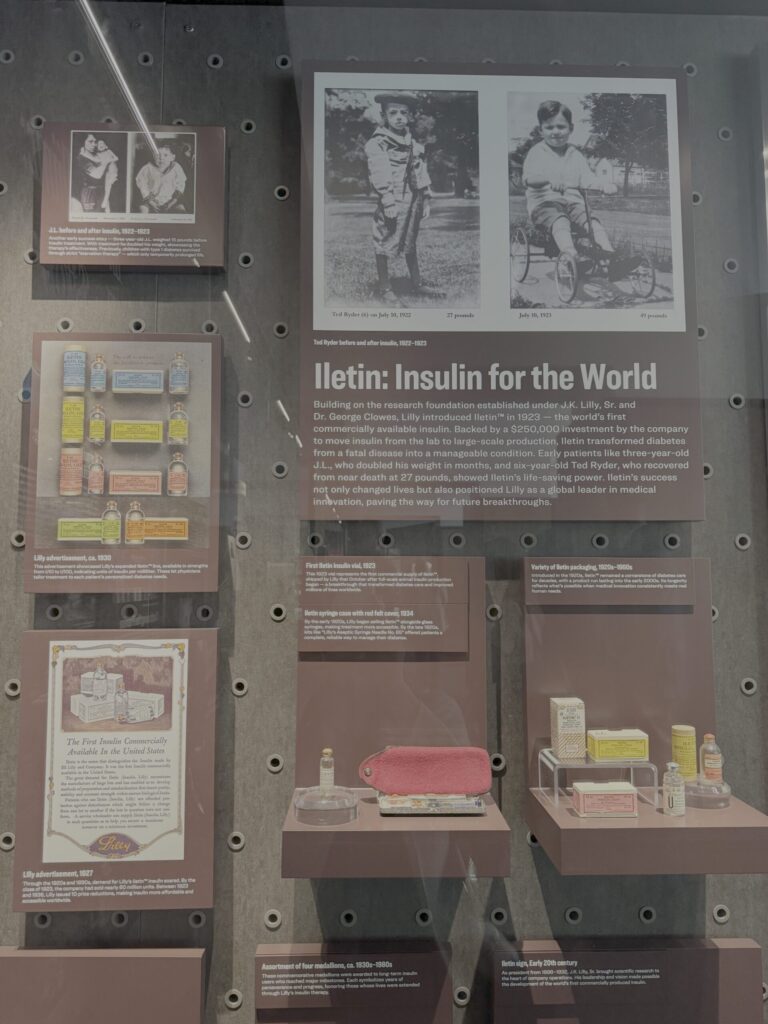
I had the opportunity to visit the Heritage Hall Museum at Lilly Headquarters in Indianapolis, Indiana last month and saw photographs of the first child to receive insulin and the early vials of Iletin which had “transformed diabetes from a fatal disease into a manageable condition.” Iletin was manufactured from animals, and supply was hard to keep up with global demand, so in 1982, Lilly created the first biosynthetic human insulin using recombinant DNA technology which was a “purer, safer and more reliable alternative.” In 1993, rapid acting insulin was developed which improved postprandial glucose control.
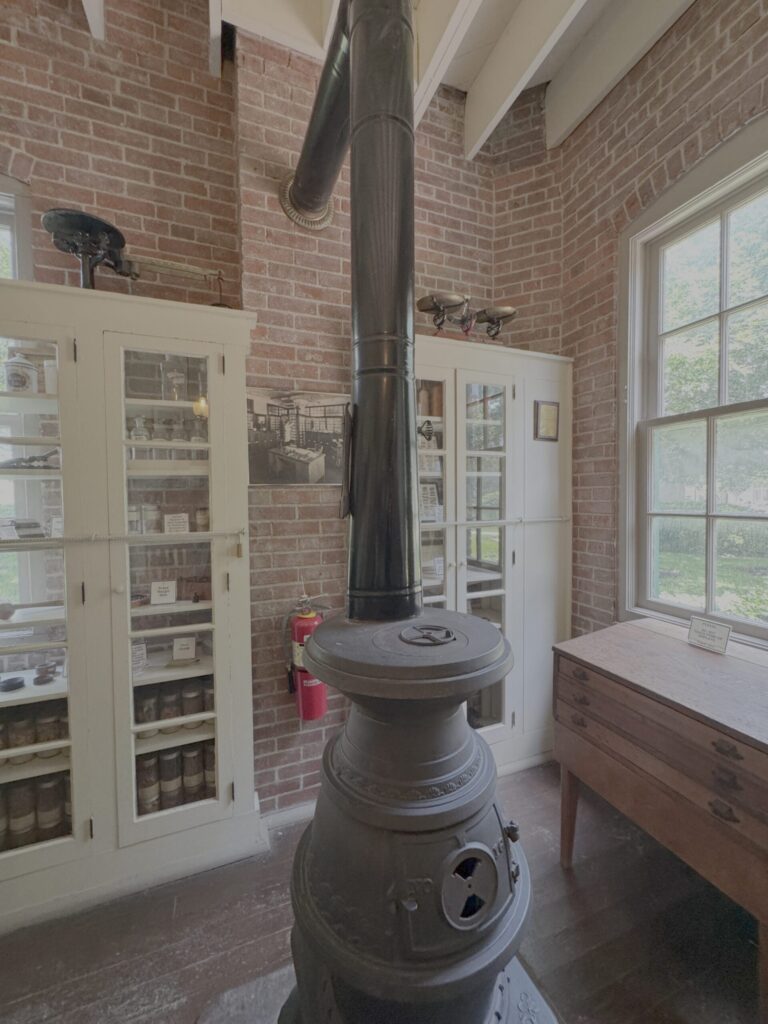
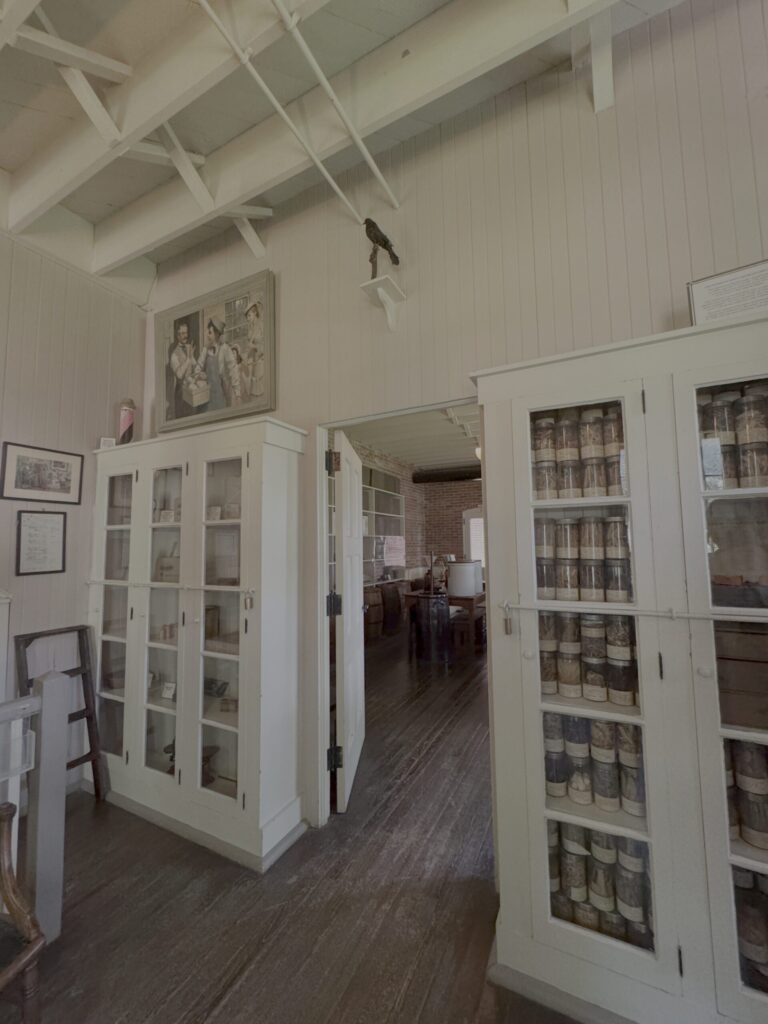
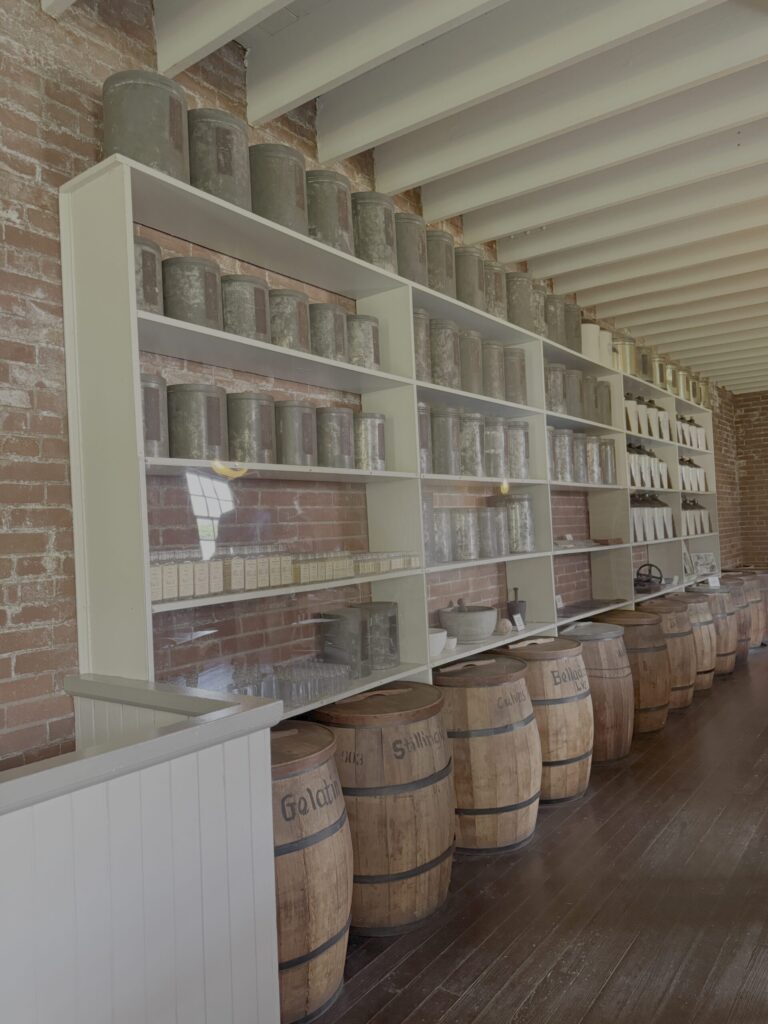
On site at Lilly Headquarters is also a replica of the original lab where the early medications were once manufactured. Many of the processes were done by hand but with impressive precision, despite the lack of modern machinery.
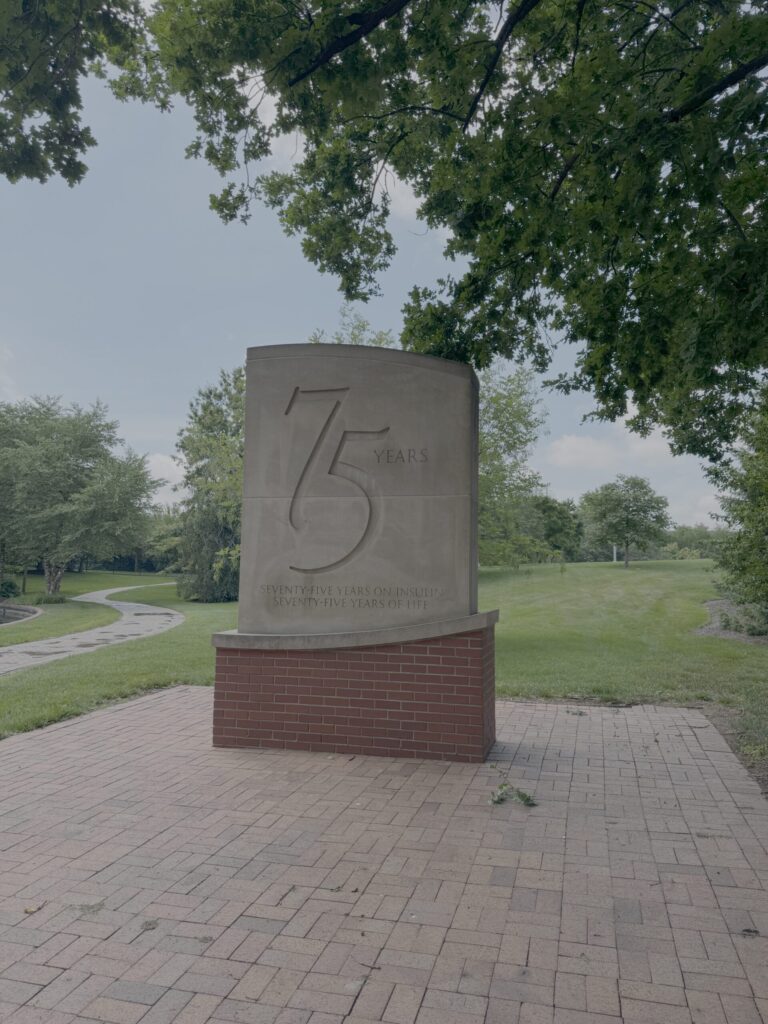
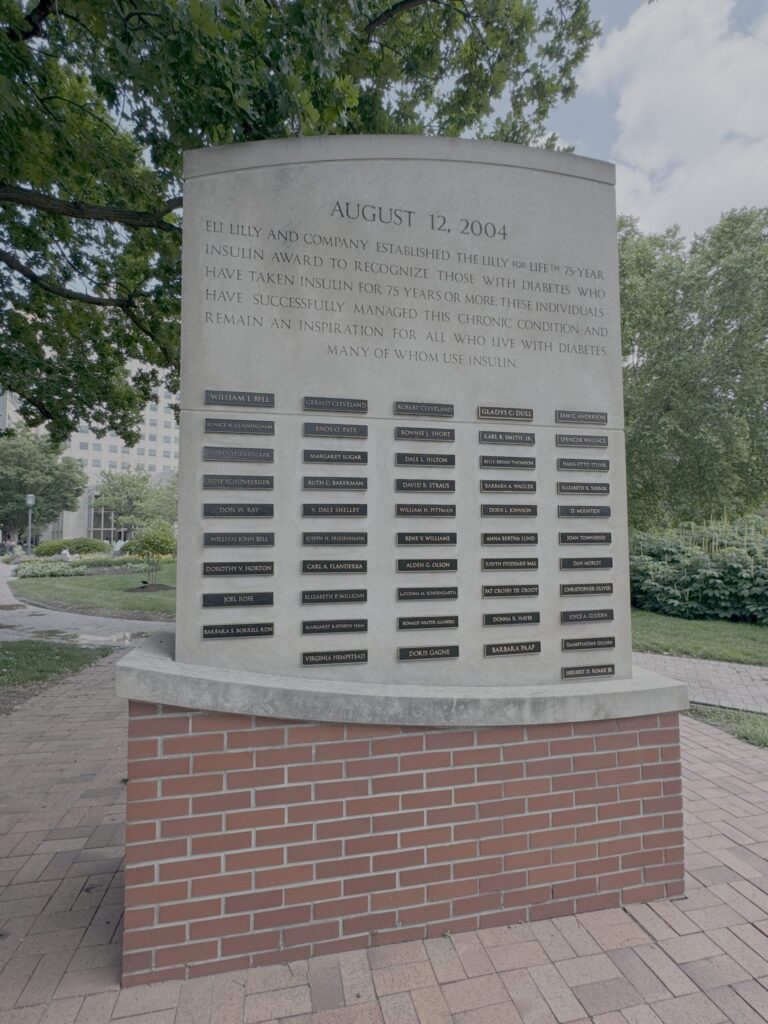
Next to the lab is a special monument engraved with the names of patients who have achieved the 75-year milestone of treatment with insulin, for what was once a fatal disease.
It’s inspiring to reflect how medical science, teamwork, and innovative manufacturing dramatically changed the course of diabetes. This story is also a reminder of why we do what we do, everyday as physicians, to improve the health of our patients.