
During the 2025 United Nations General Assembly (UNGA), the American Medical Women’s Association (AMWA) co-hosted two pivotal side events that spotlighted critical health issues affecting women and underserved populations worldwide.
Unseen and Undiagnosed: Advancing Equity in NCDs for Women and People with Congenital Conditions
On September 23, AMWA partnered with the Global Alliance for Chronic Diseases (GACC), the International Federation of Red Cross and Red Crescent Societies (IFRC), Operation Smile, and several other organizations to convene a session at the Church Center of the United Nations in New York City. The focus was the disproportionate burden of non-communicable diseases (NCDs) on women and individuals with congenital conditions.
These groups often experience delayed diagnosis and treatment due to systemic gaps in healthcare systems and societal biases. The session aimed to raise awareness of this public health crisis and to advocate for innovative solutions and more inclusive, equitable health policies.
Dr. Padmini Murthy, AMWA’s Global Health Lead and a primary co-organizer of the event, underscored the urgency of addressing gender disparities within the global NCD agenda. She highlighted the need to consider women’s unique risks, exposures, and barriers to care.
The event served as a call to action: to improve NCD care for women, advocate for the inclusion of often-overlooked NCDs, and strengthen collaborative models of care. As Liana Ghukasyan, Director of the Office of the IFRC President, emphasized, this work is essential “to ensure that every woman at every stage in her life has access to compassionate care.”
Sepsis and NCDs: A Hidden Link in Global Health
On September 24, AMWA collaborated with the Global Sepsis Alliance, the Medical Women’s International Association (MWIA), Sepsis Alliance (US), End Sepsis, Sepsis Stiftung, and other partners to examine the intersection of sepsis and NCDs in women. The event, hosted at Northwell Health’s MEETH Corwin Hall, shed light on how individuals with chronic conditions face a heightened risk of sepsis, yet too often receive delayed or inadequate care.
Through presentations by survivors, families, and global health experts, the session underscored the urgent need for integrated care strategies and greater awareness of this silent health crisis. International and national leaders discussed current trends, advances in policy, country-level perspectives, and the vital role of communication and education.
Dr. Connie Newman, MWIA Vice President of North America and UN representative and AMWA Past President, moderated a panel of strategic partners that included Dr. Amany Asfour, President-Elect of MWIA; Thomas Heymann, President and CEO of Sepsis Alliance; and Dr. Eliza Chin, AMWA Executive Director. Dr. Chin highlighted the intersection of women’s NCDs and sepsis risk, pointing to socioeconomic barriers, the need for more research in women, and concerns about the maternal sepsis rates in the U.S.
AMWA member Dr. Priscila Armijo spoke about the role of communication in shaping sepsis outcomes, particularly the consequences of language discordance in clinical care. Dr. Beverly Johnson, MWIA UN representative and member of the Federation of Medical Women of Canada, led a panel on academic interventions.
A particularly moving aspect of the event were the personal stories shared: Ciaran Staunton spoke of his son Rory Staunton, whose untimely death spurred the creation of End Sepsis and the passage of New York State’s mandate that all hospital develop protocols for sepsis care. Jacqueline Duda, a journalist, and Mariah McKimbrough, Executive Director of Sepsis Stiftung, shared their personal stories as survivors of sepsis.
The session concluded with a resounding call for diverse stakeholders to advance a global agenda addressing this preventable and devastating condition.
Together, these two UNGA side events exemplify AMWA’s commitment to amplifying women’s health priorities on the global stage, advocating for equity, and building coalitions to tackle some of the most pressing yet under recognized challenges in healthcare.
View the full agenda.
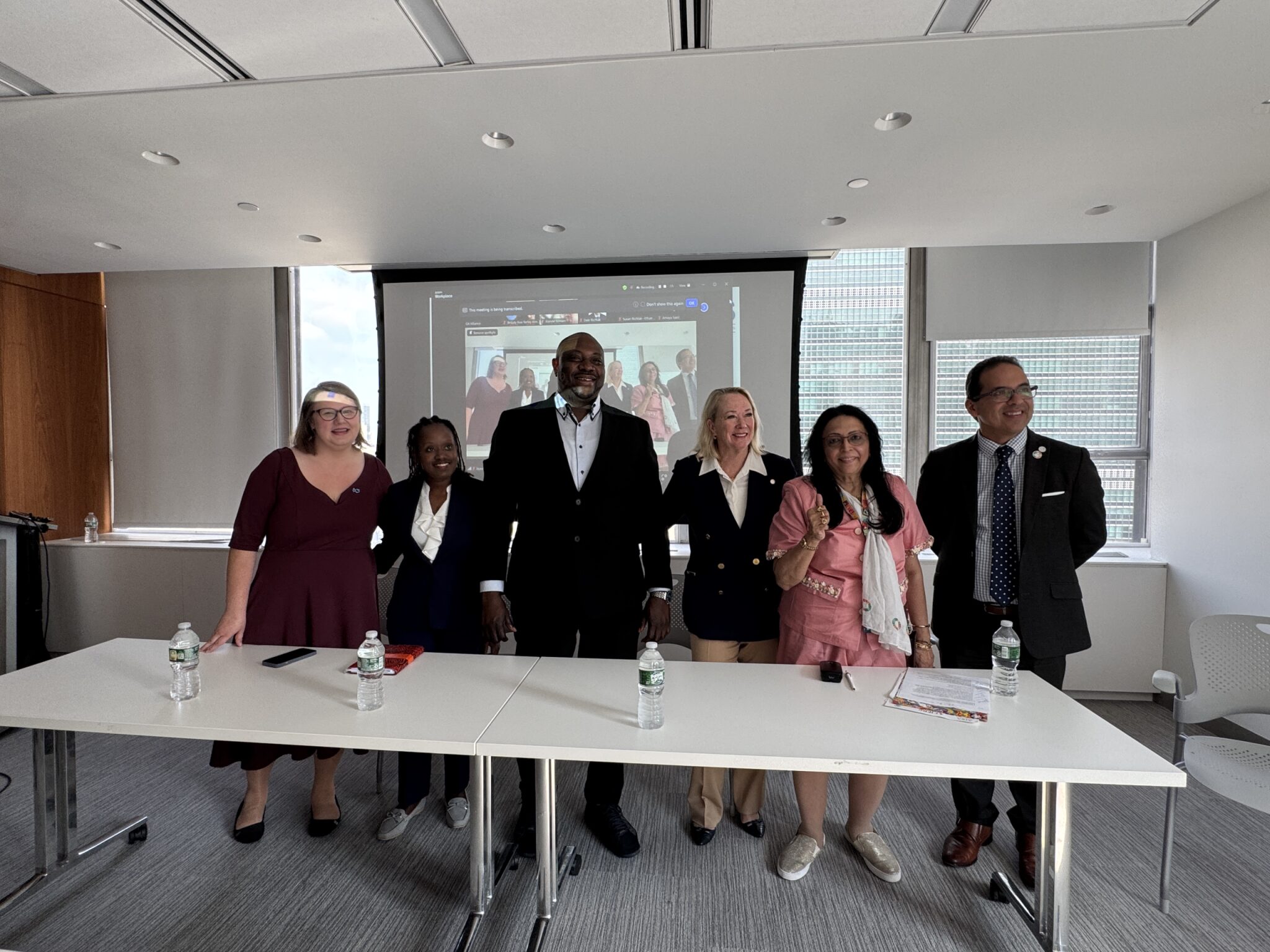

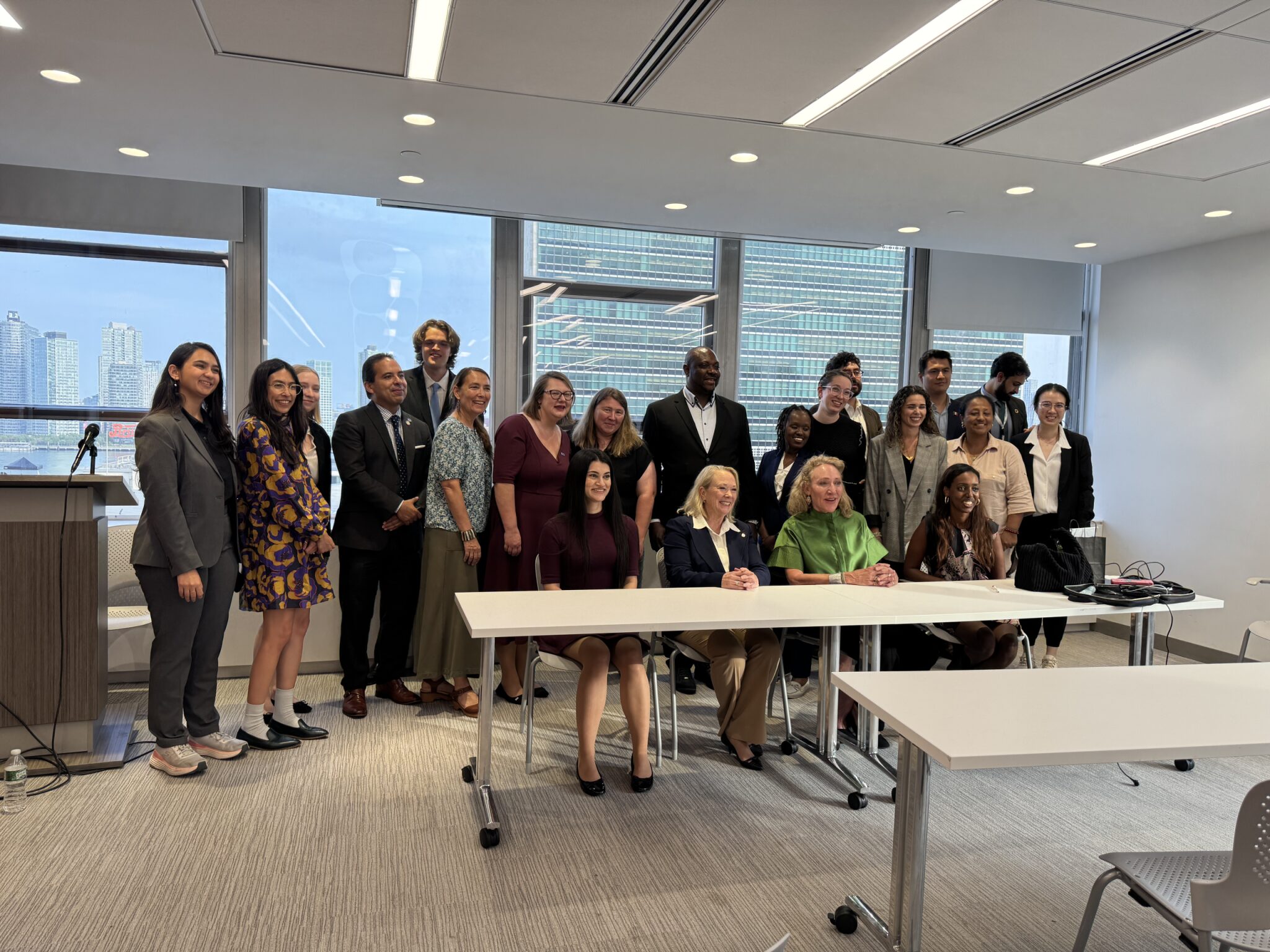

Liana Ghukasyan
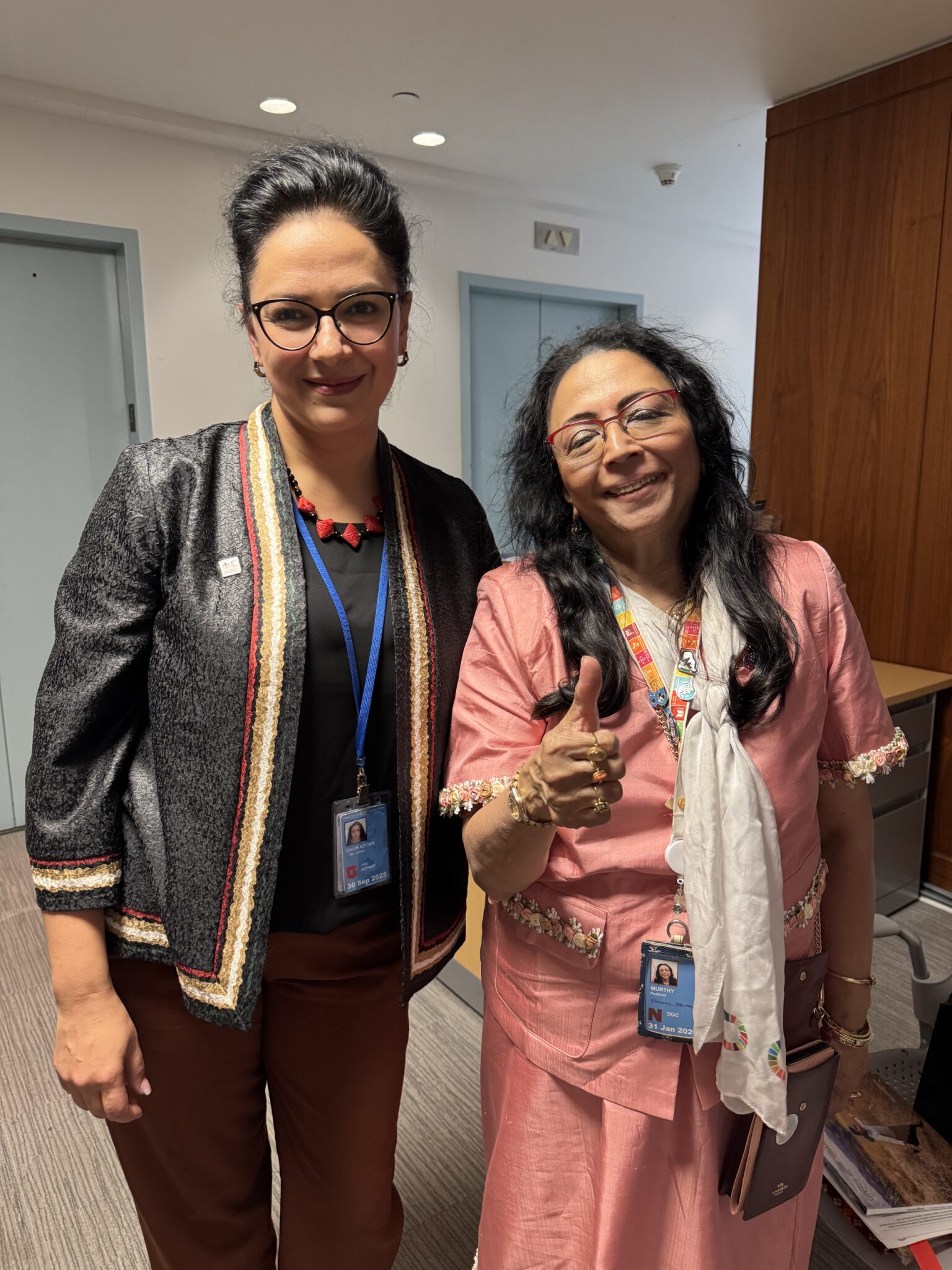
Liana Ghukasyan, Dr. Padmini Murthy

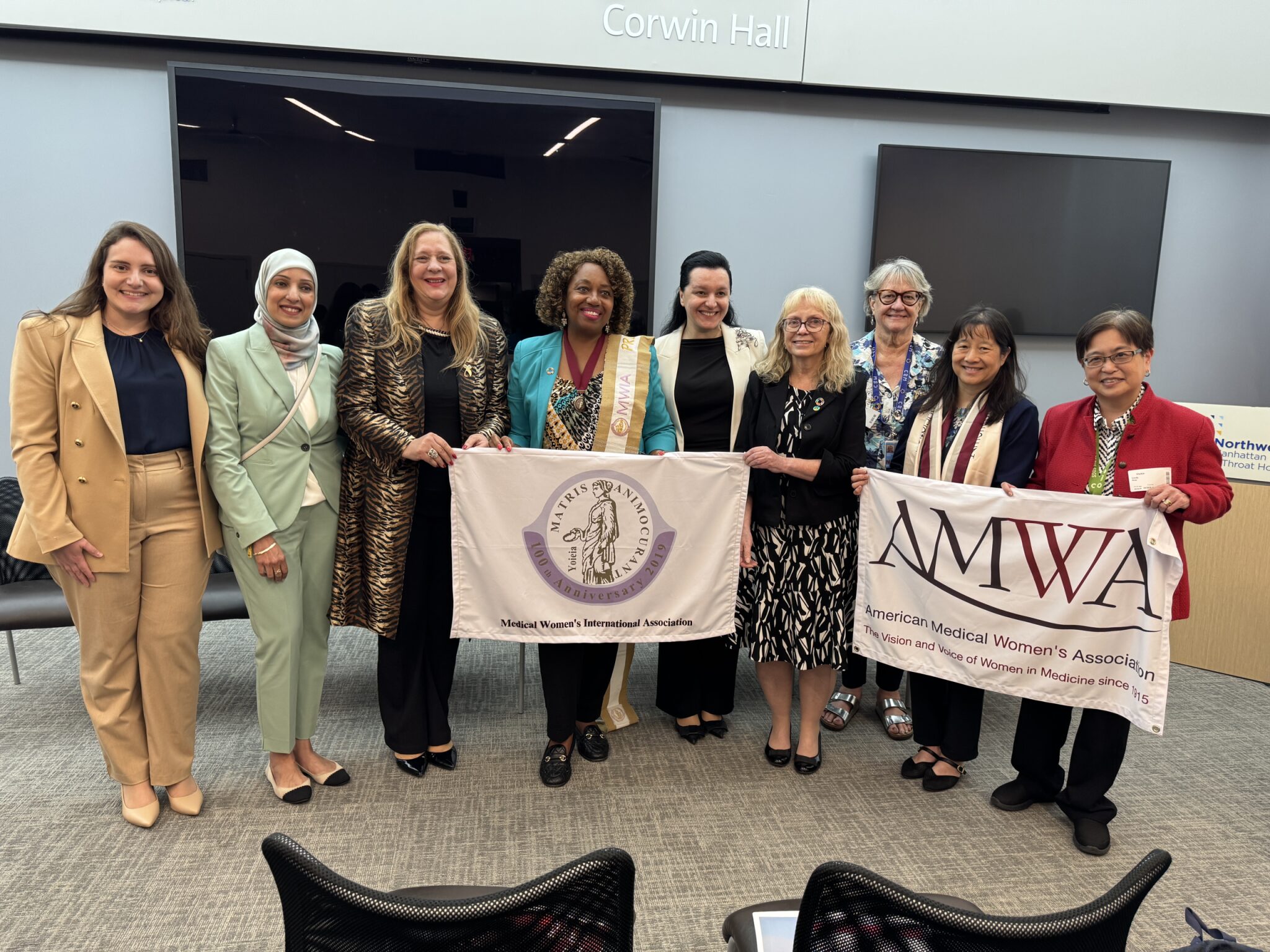
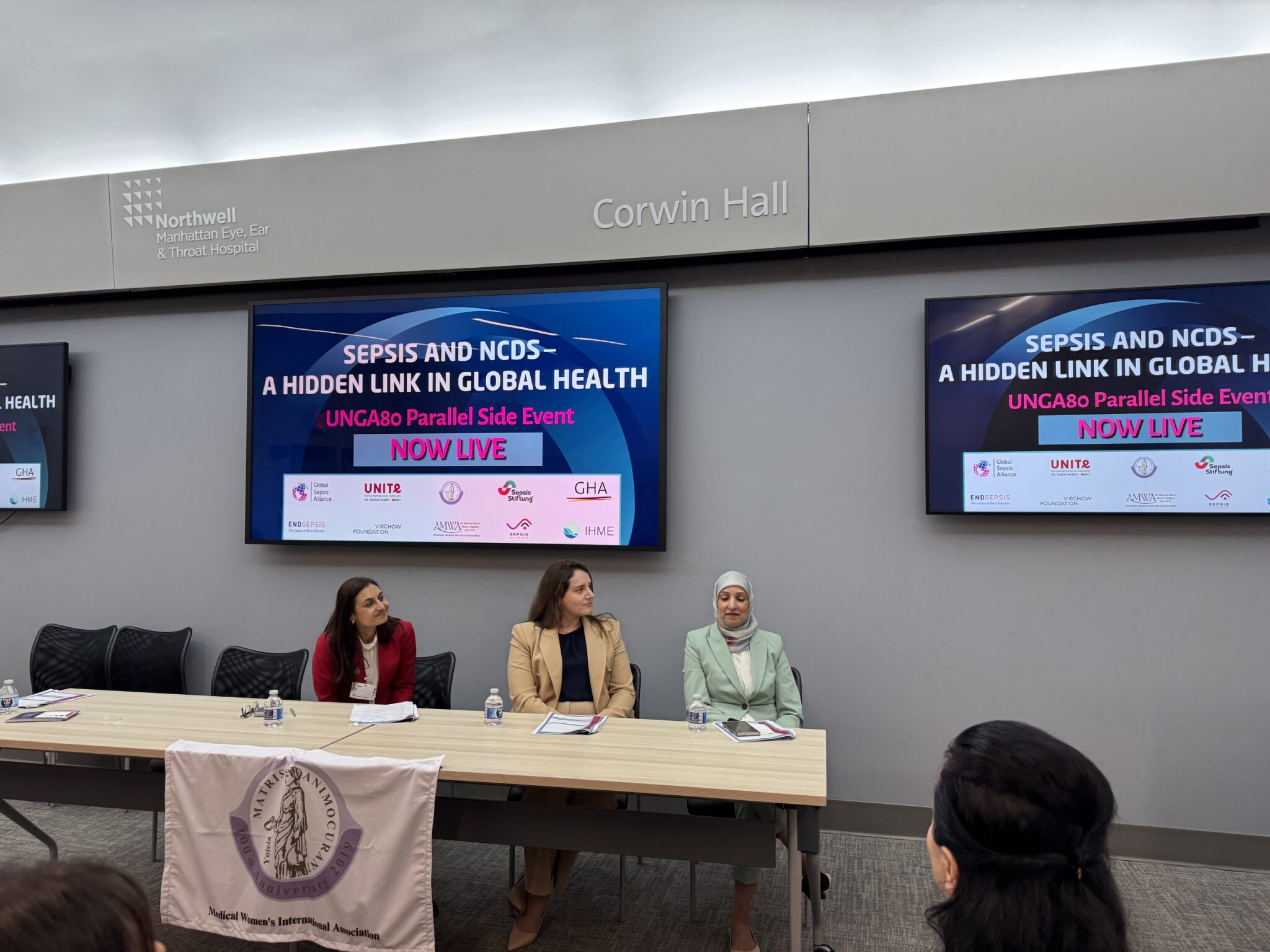

Dr. Priscila Armijo

Dr. Mariam Jashi
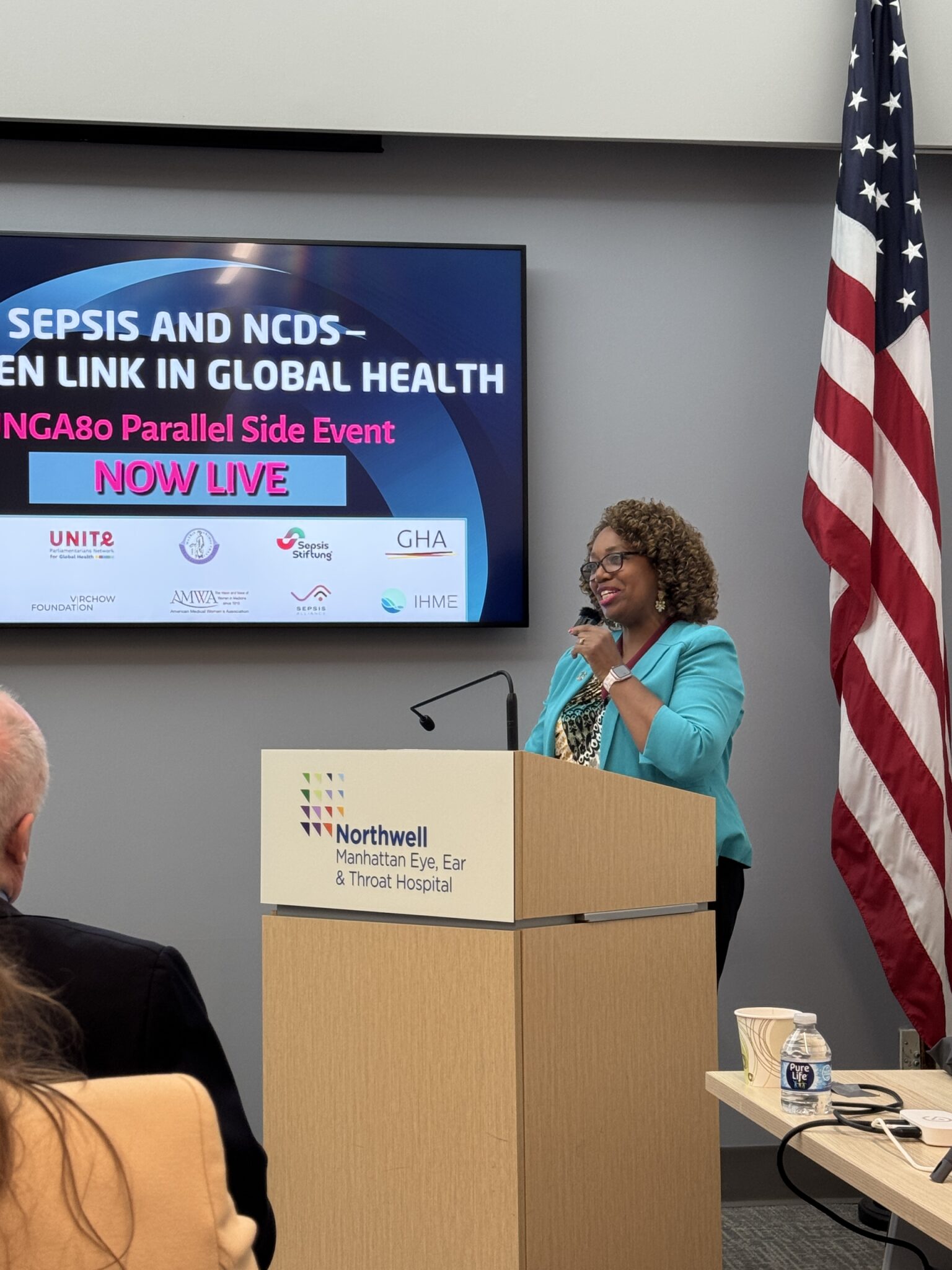
Dr. Eleanor Nwadinobi
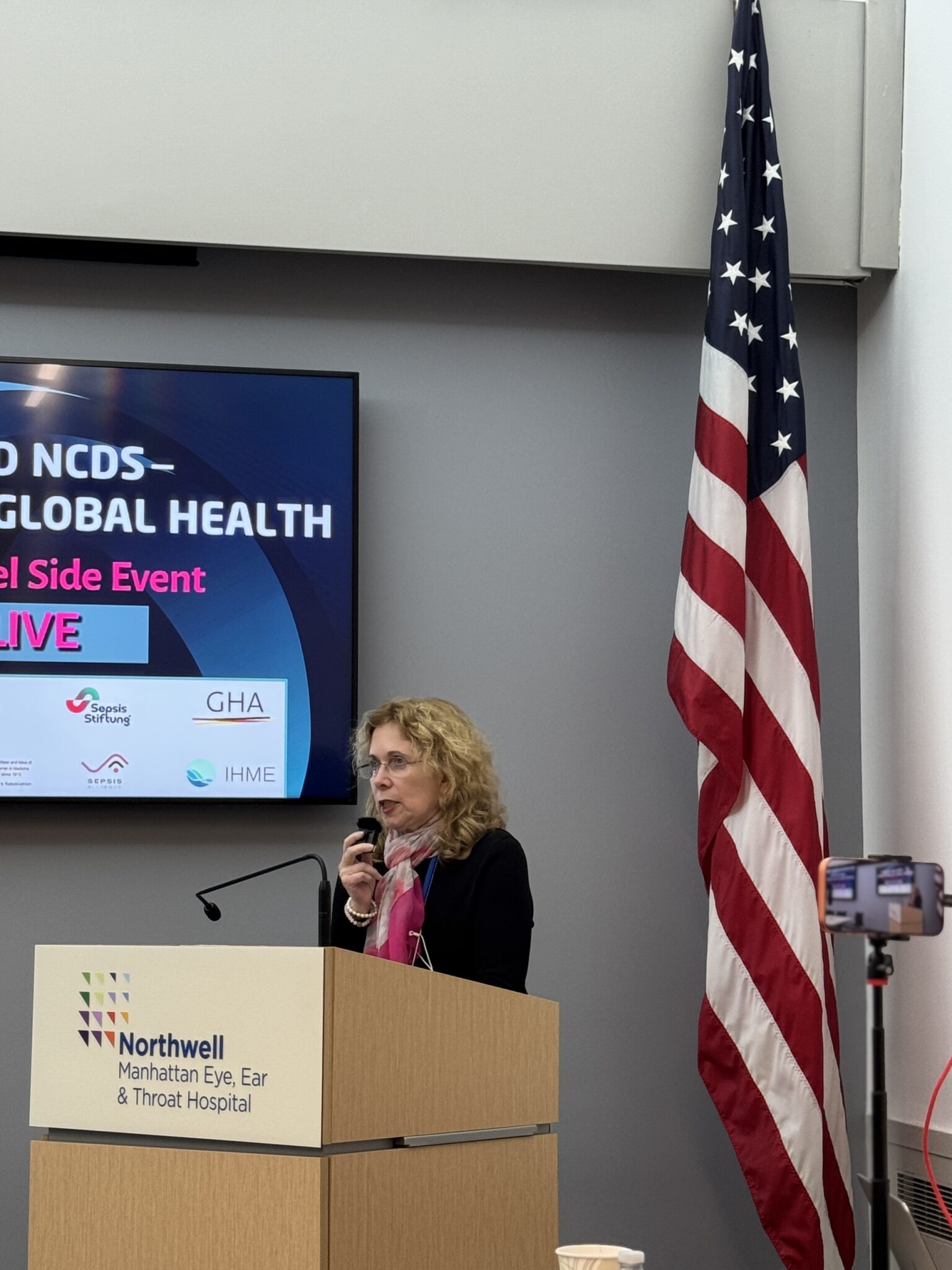
Dr. Connie Newman

Ciaran Staunton

Dr. Bev Johnson

Dr. Mahboba Islami and Dr. Eliza Chin
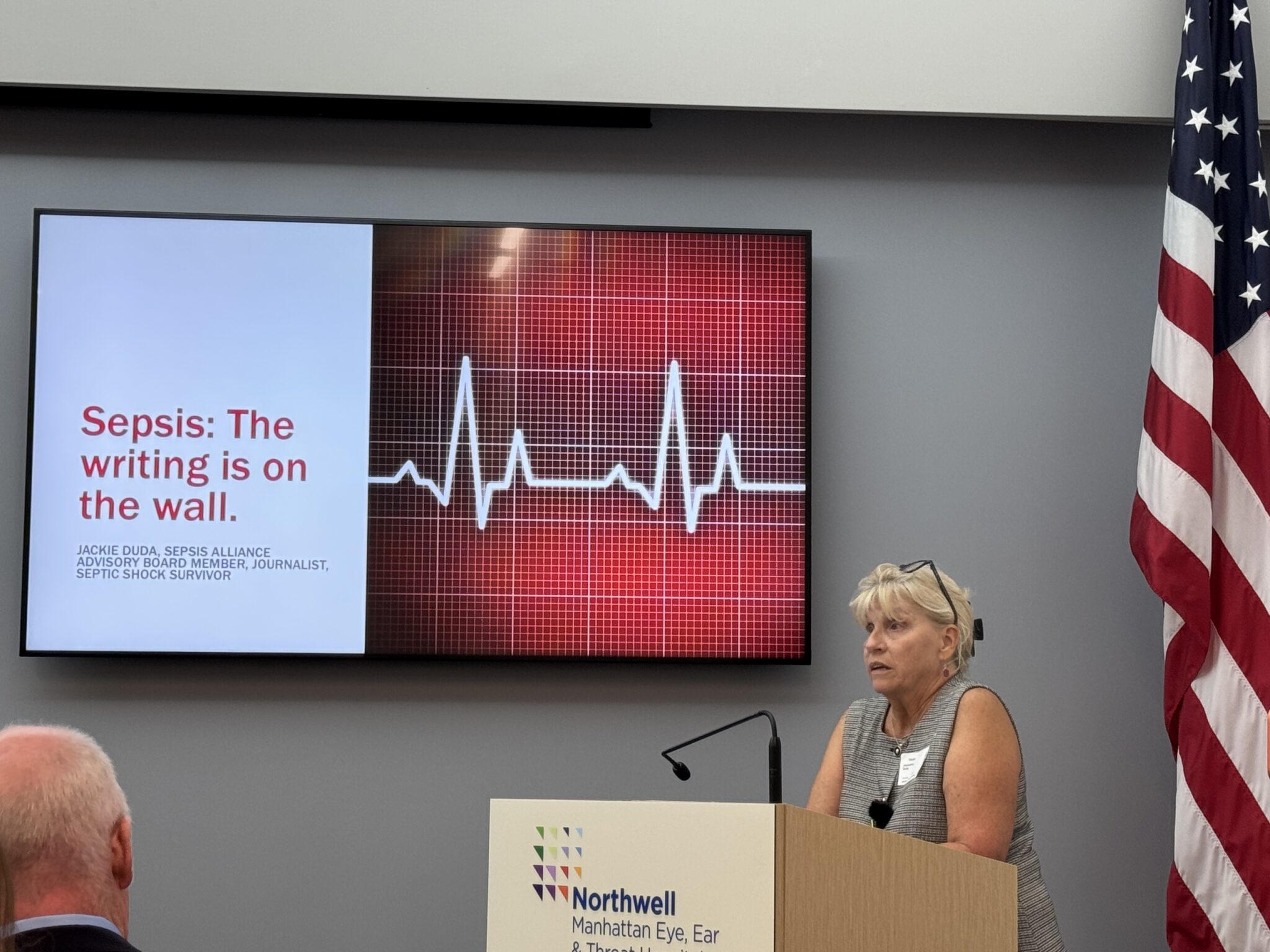
Jacqueline Duda